
01
Plumbing failures
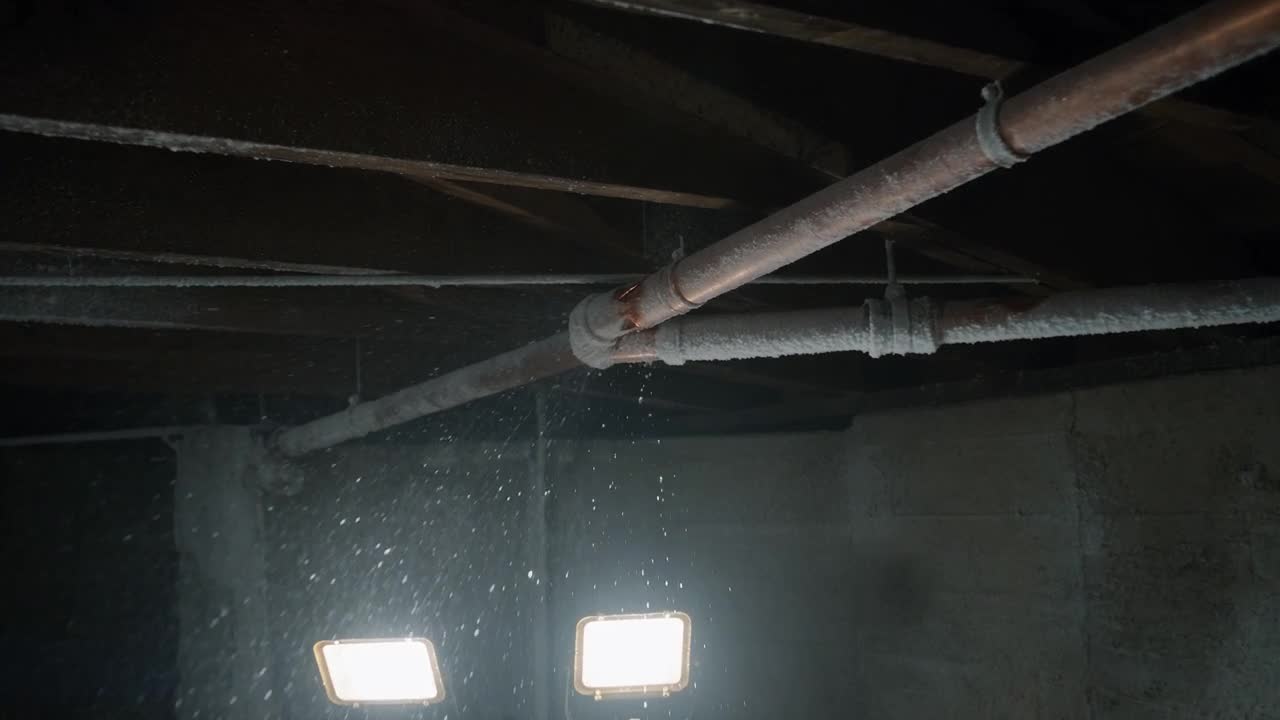
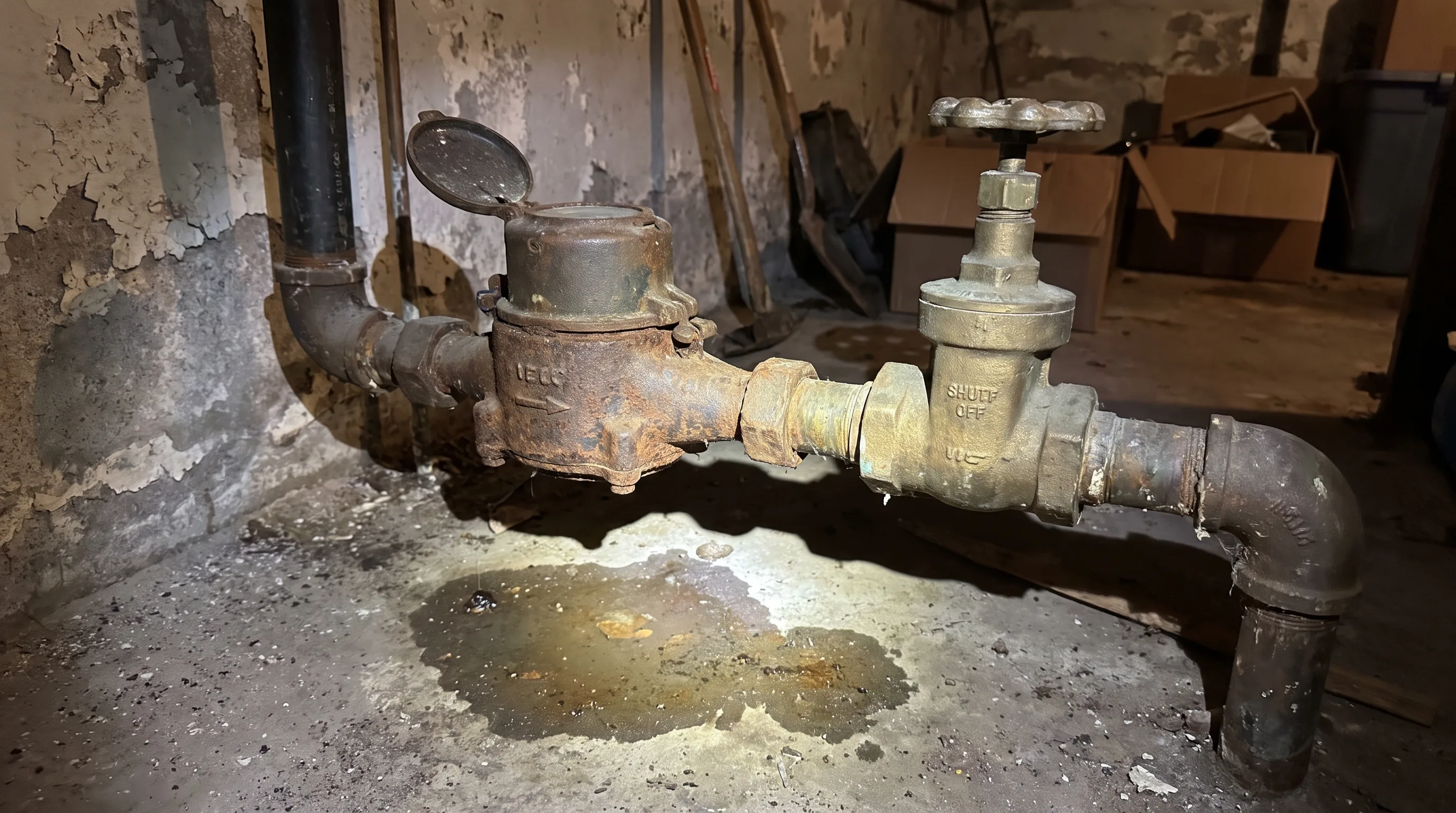
Burst pipes, frozen pipes, and broken supply lines are among the most common causes of water damage in Chicago homes, especially during freeze-thaw season. We stop the spread and begin extraction immediately.
Water damage · Chicago
Extraction is the first hour. Readings are the rest of the week.
24/7 · a person answers
It is 2 a.m. A pipe let go. You need a person from this Chicago shop — not a bot — on the phone, then extraction, moisture mapping, and a file the claim can use. IICRC-certified. Target 30 minutes to the door. We stay for the rebuild.
30 min
Target response
24/7
Dispatch

Certified firm
Request a callback
A real technician from this shop answers. Not a bot. Not an outsourced call center.
Lakeview two-flat
You did not plan a water night.
Your house
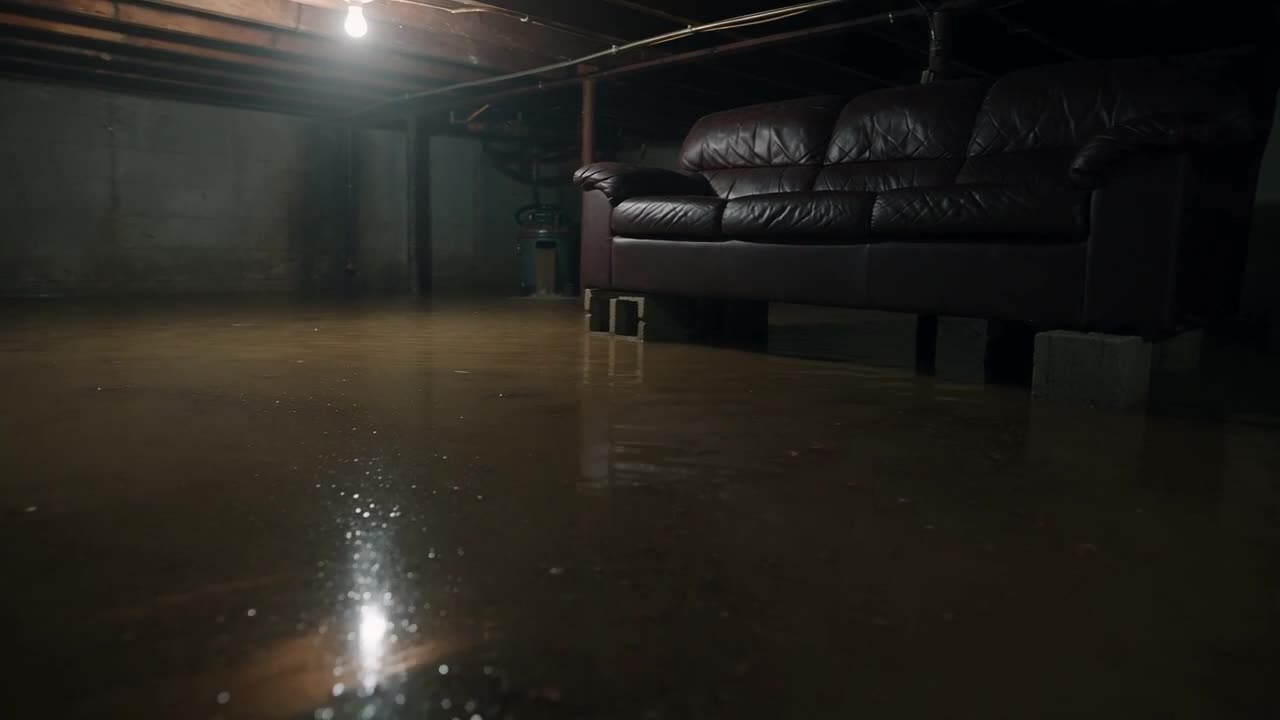
It is 2 a.m. A supply line let go. The cabinet is soaked, the floor is dark, and it is already dripping into the unit below. You do not know if this is a plumber night or a restoration night. You just know it is getting worse while you stand there in socks — and that waiting until morning is how a wet room becomes a mold file.
Why this shop
01
24/7. Not a bot, not a national number. We target 30 minutes so the carrier never has to ask why you delayed.
02
A technician who knows Chicago two-flats — extraction and a moisture map, not a shop-vac and a smile.
03
Photos and readings the claim can use. If the room has to come back, the same crew puts it back.
When to call
Do not wait to see if it dries on its own. These are the usual reasons Chicago homeowners pick up the phone.
Until we arrive
Shut off the water source if you can find the main.
Stay out of standing water until power to that area is off.
Photograph rooms, contents, and the source before you move anything.
Do not run HVAC through a wet cavity.
Do not throw out damaged items until we document them.
Chicago water losses
Burst pipes, frozen pipes, and broken supply lines are among the most common causes of water damage in Chicago homes, especially during freeze-thaw season. We stop the spread and begin extraction immediately.
Refrigerators, dishwashers, washing machines, and water heaters all carry water. When their lines fail, we handle the full dry-out and assess structural impact.
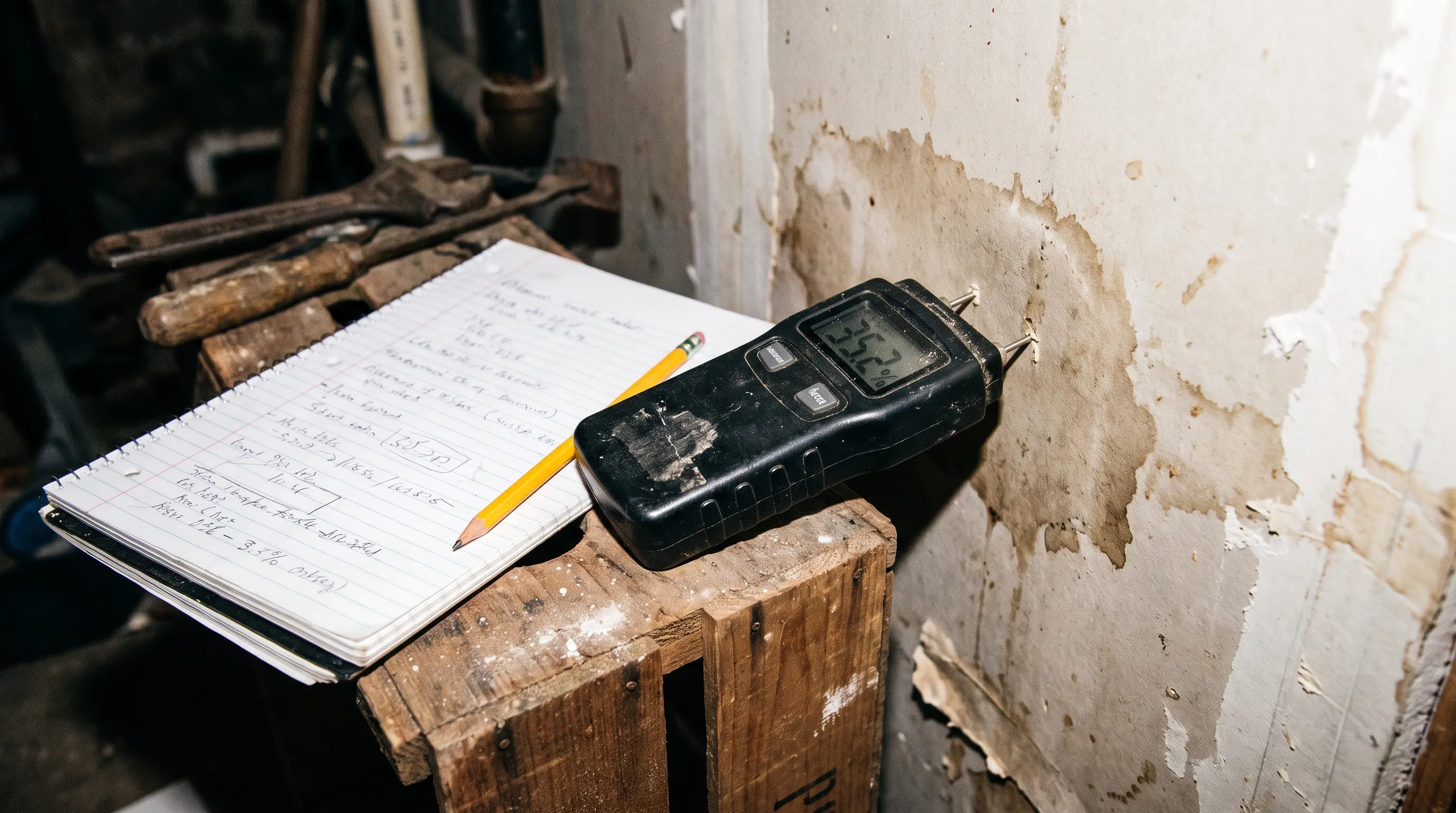
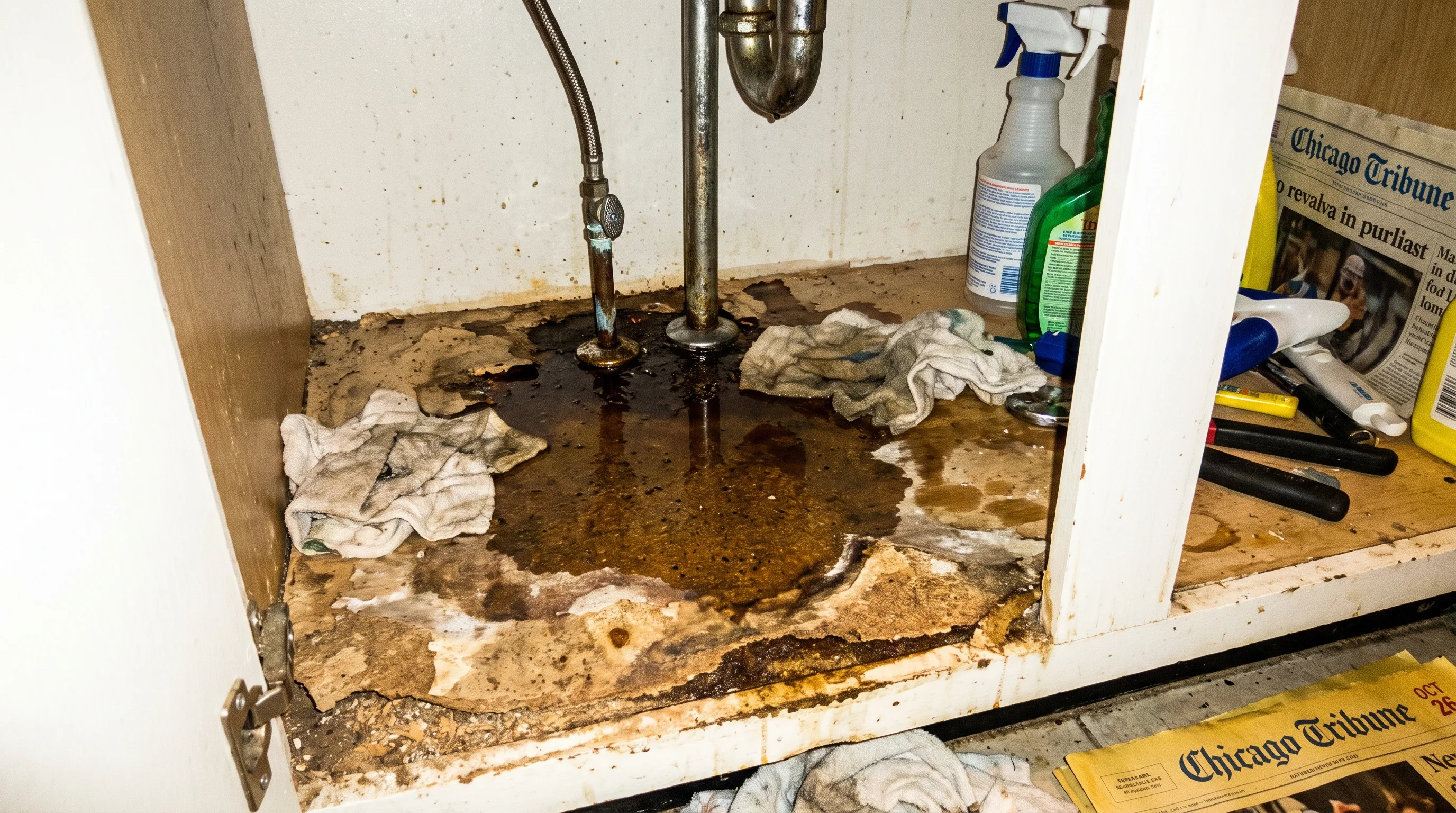
Overflowing toilets, tubs, and sinks push water through flooring into the ceiling below. We find hidden moisture in walls and subfloors so nothing is missed.
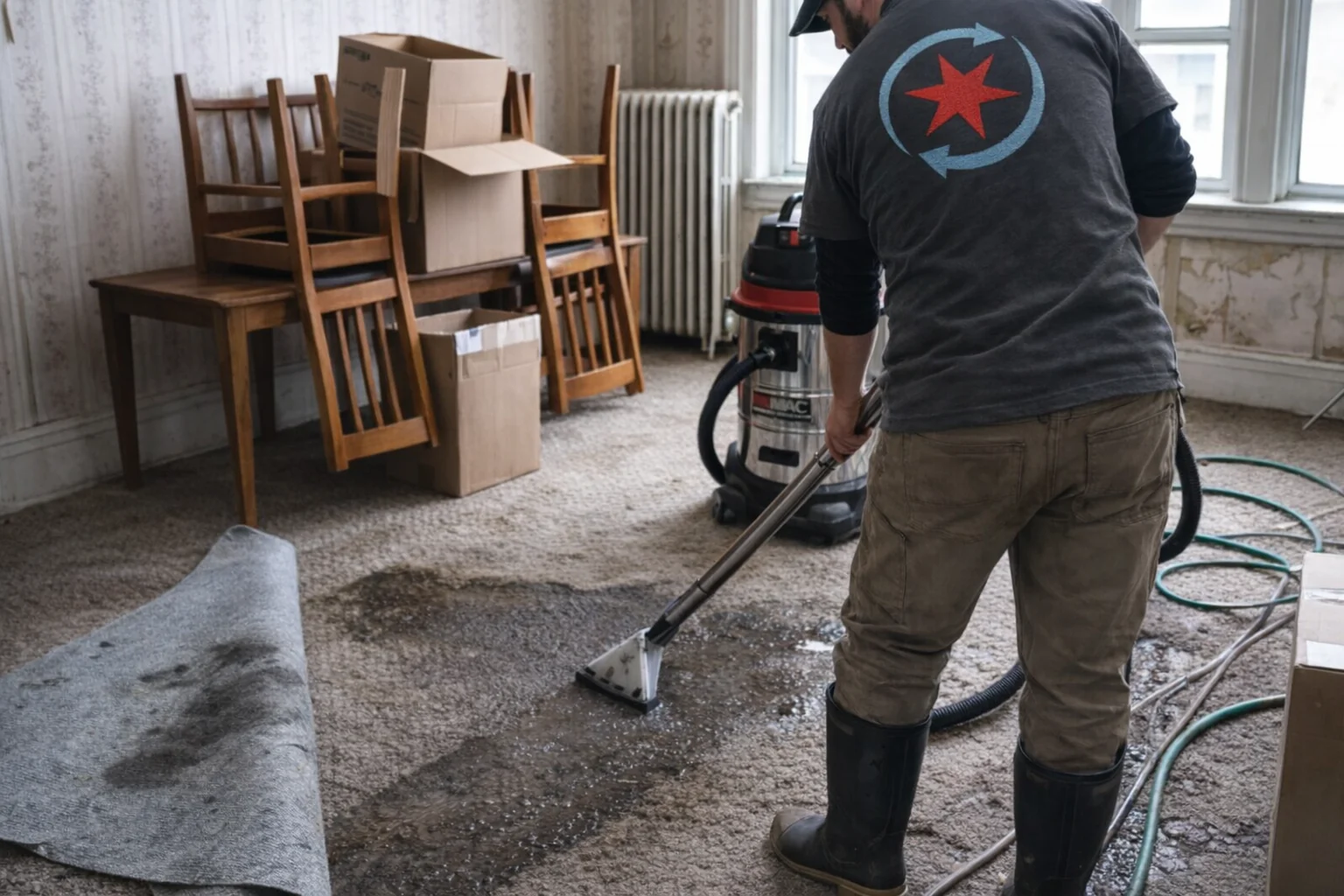
Sewage backups introduce Category 3 water. That requires containment, protective protocols, and full sanitization — not a shop-vac and a fan.
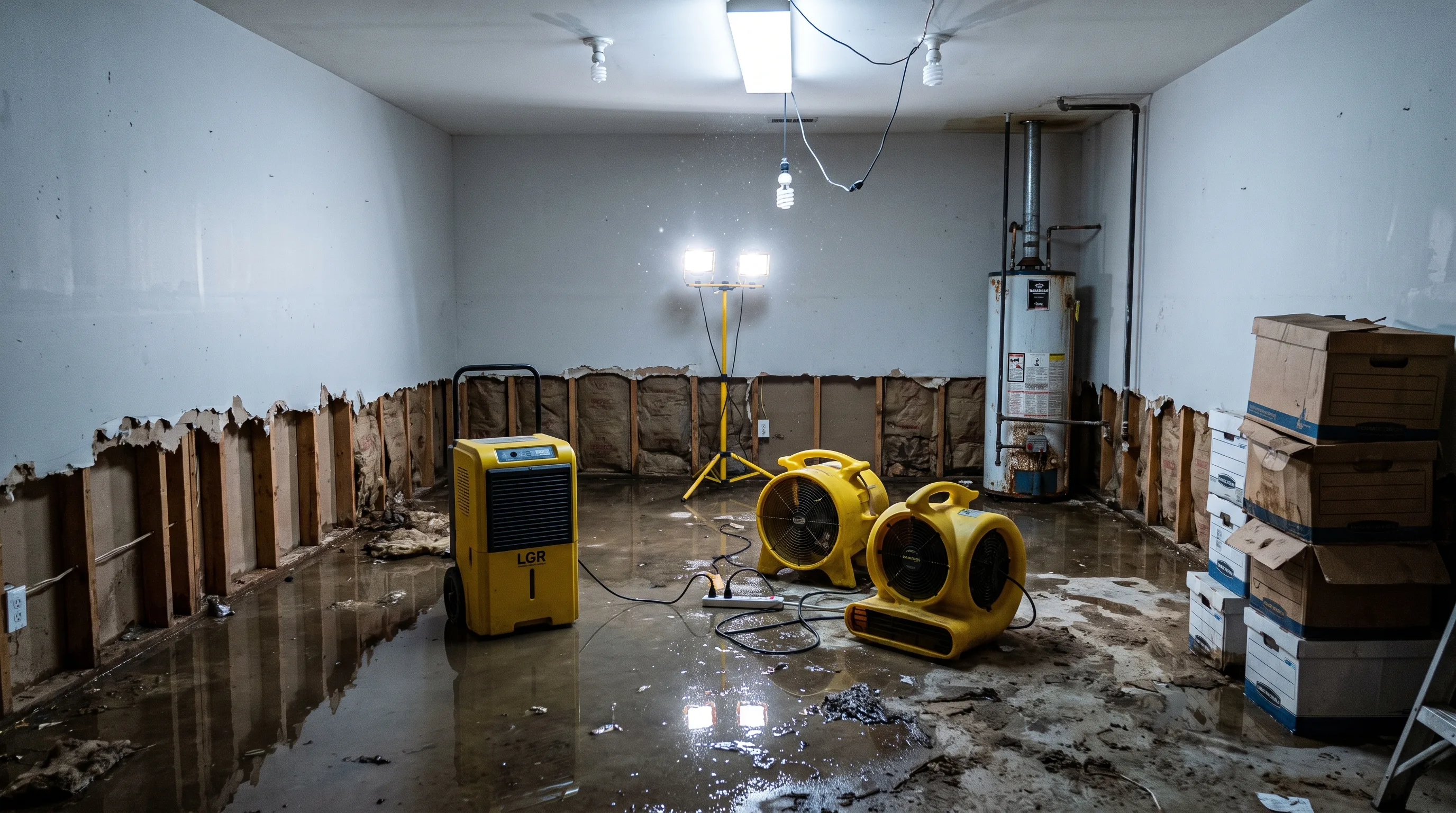
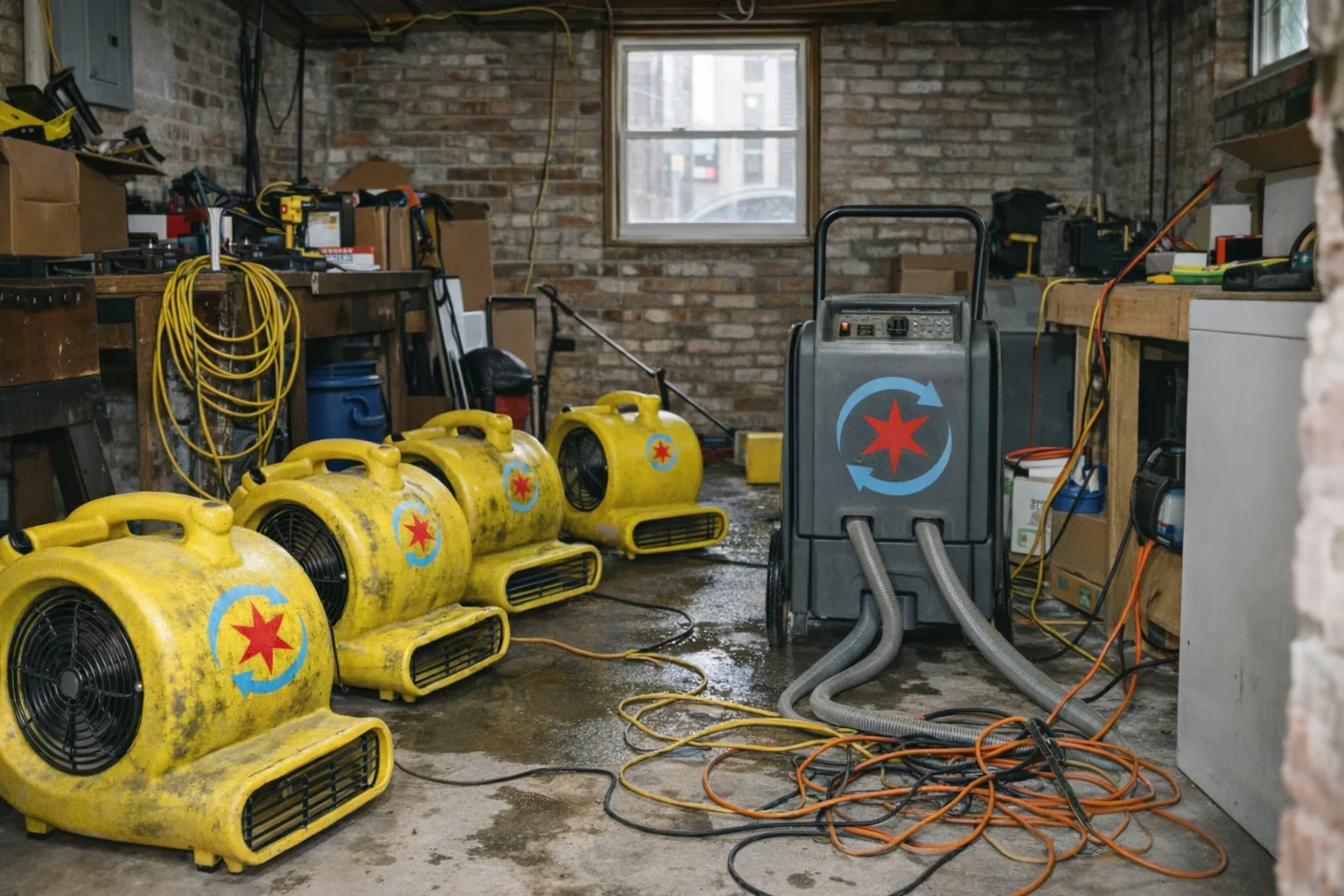
Basements flood. Kitchens absorb appliance leaks. Water travels through ceilings and hides behind drywall. We work room by room.
Intrusion behind drywall and under flooring is often invisible until it is expensive. Moisture meters and thermal imaging find it before it becomes a bigger problem.
Why speed matters
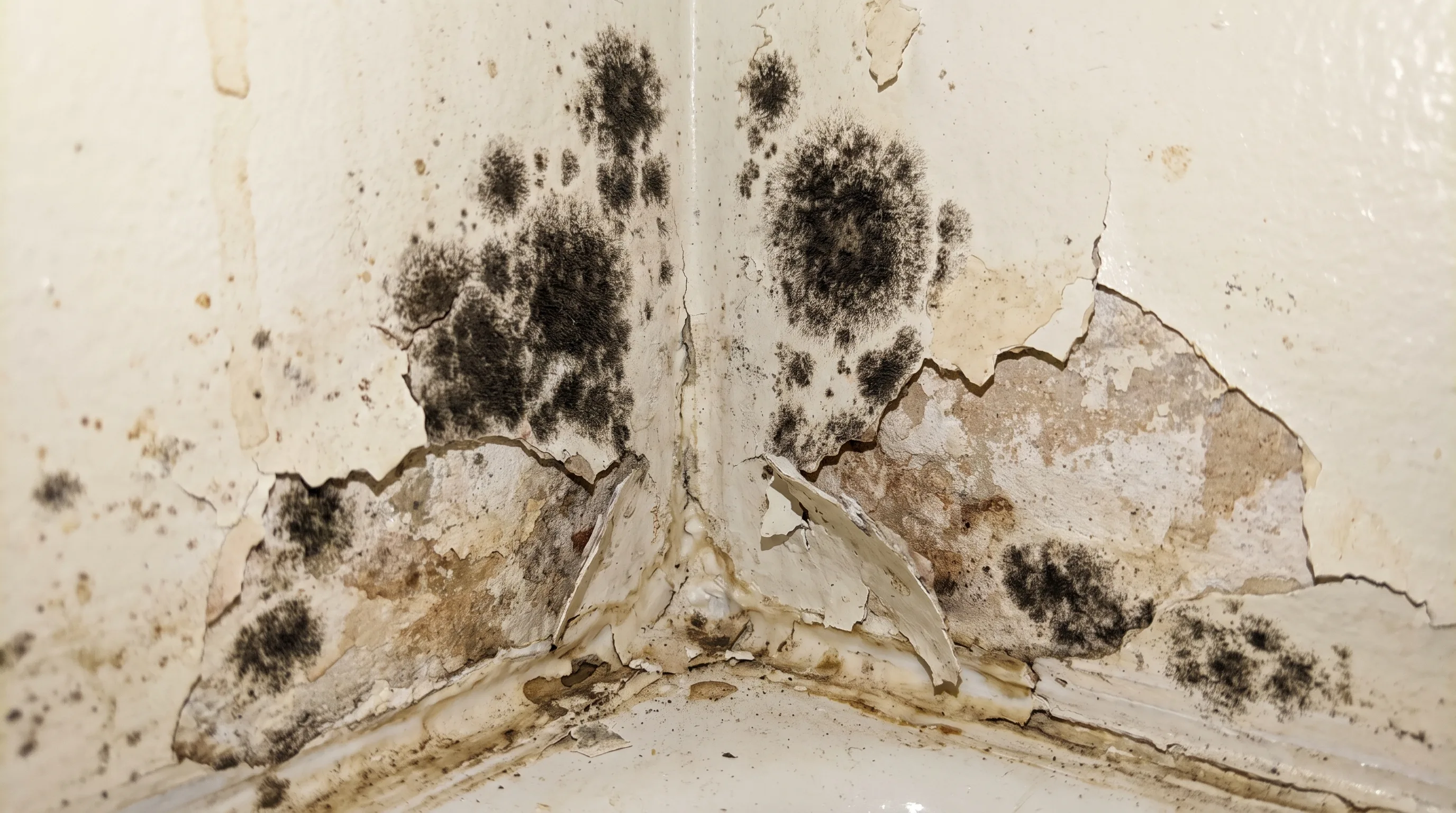
Within a day, mold can start colonizing wet materials. After that, drywall, insulation, and framing are more likely to come out instead of dry in place. The longer moisture sits, the more invasive — and expensive — the repair becomes.
Chicago freeze-thaw winters and humid summers make a fast, documented response the difference between a water file and a mold file. That is why we target 30 minutes.
First hour
Water wicks into drywall, pad, and subfloor.
24 hours
Conditions for mold are in place.
48 hours
Materials that could have been saved start failing.
Process
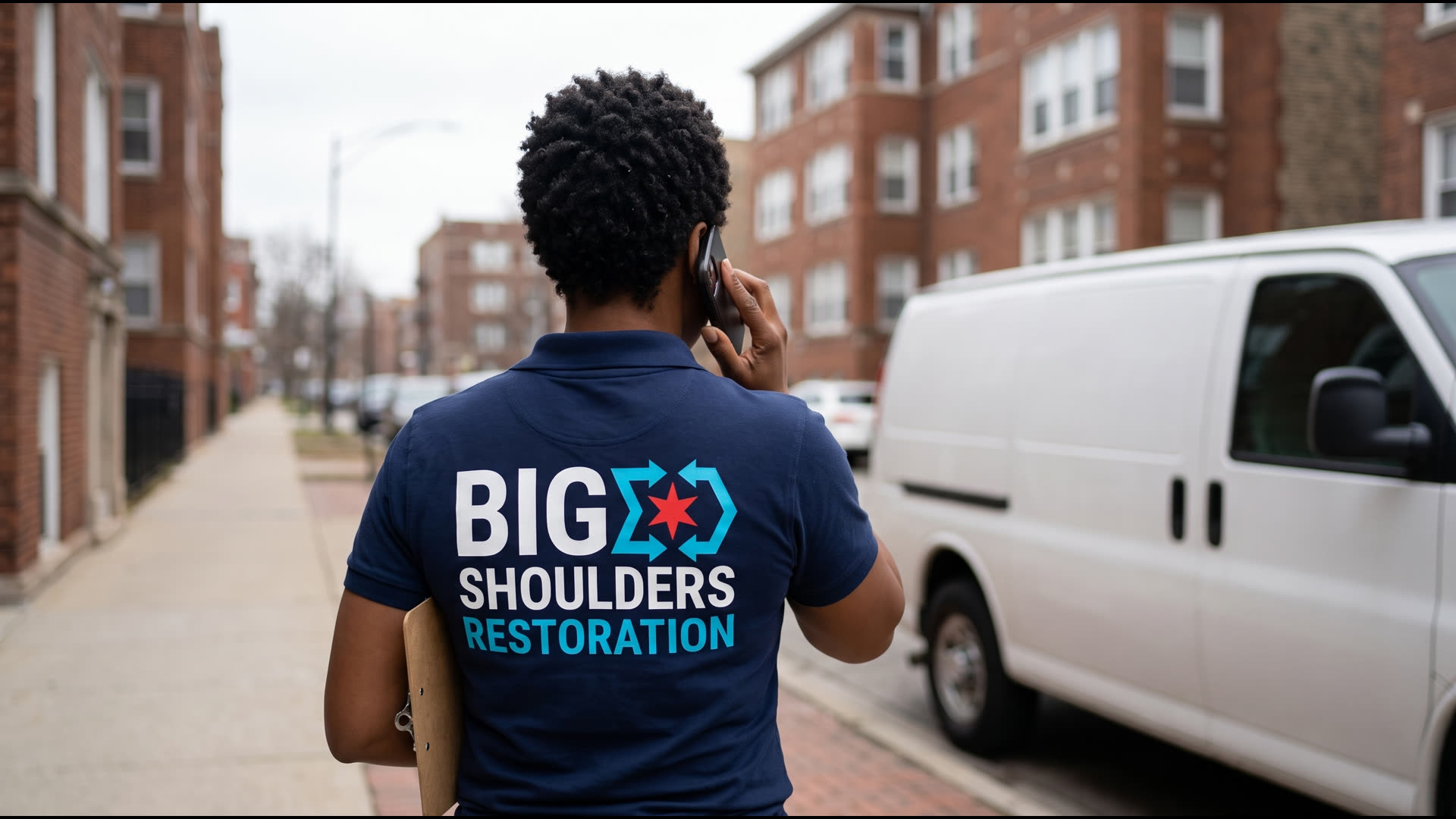 01
01Call us and we are moving. On-call technicians dispatch any hour, including weekends and holidays.
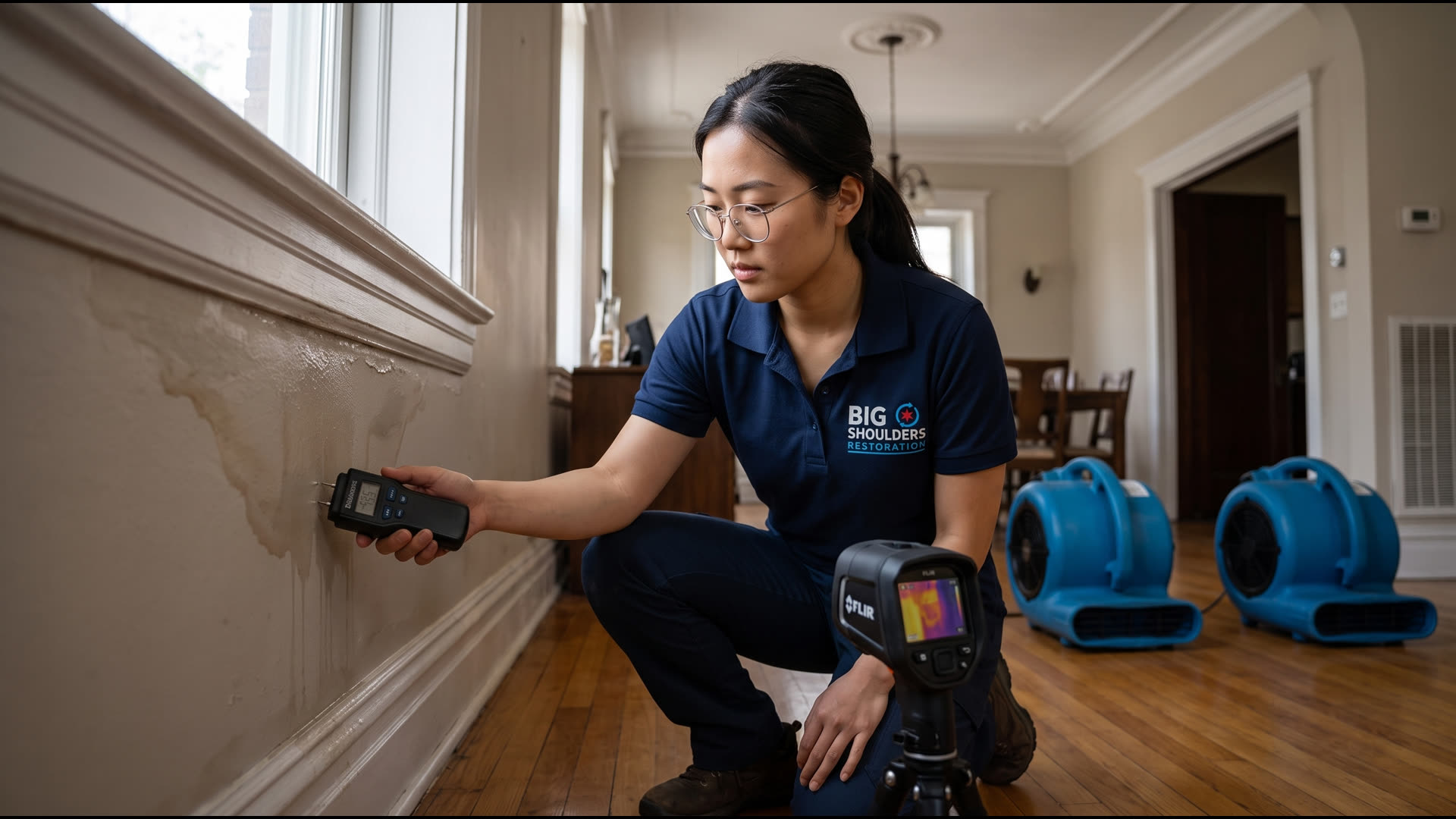 02
02Moisture meters and thermal imaging locate hidden water before equipment hits the floor.
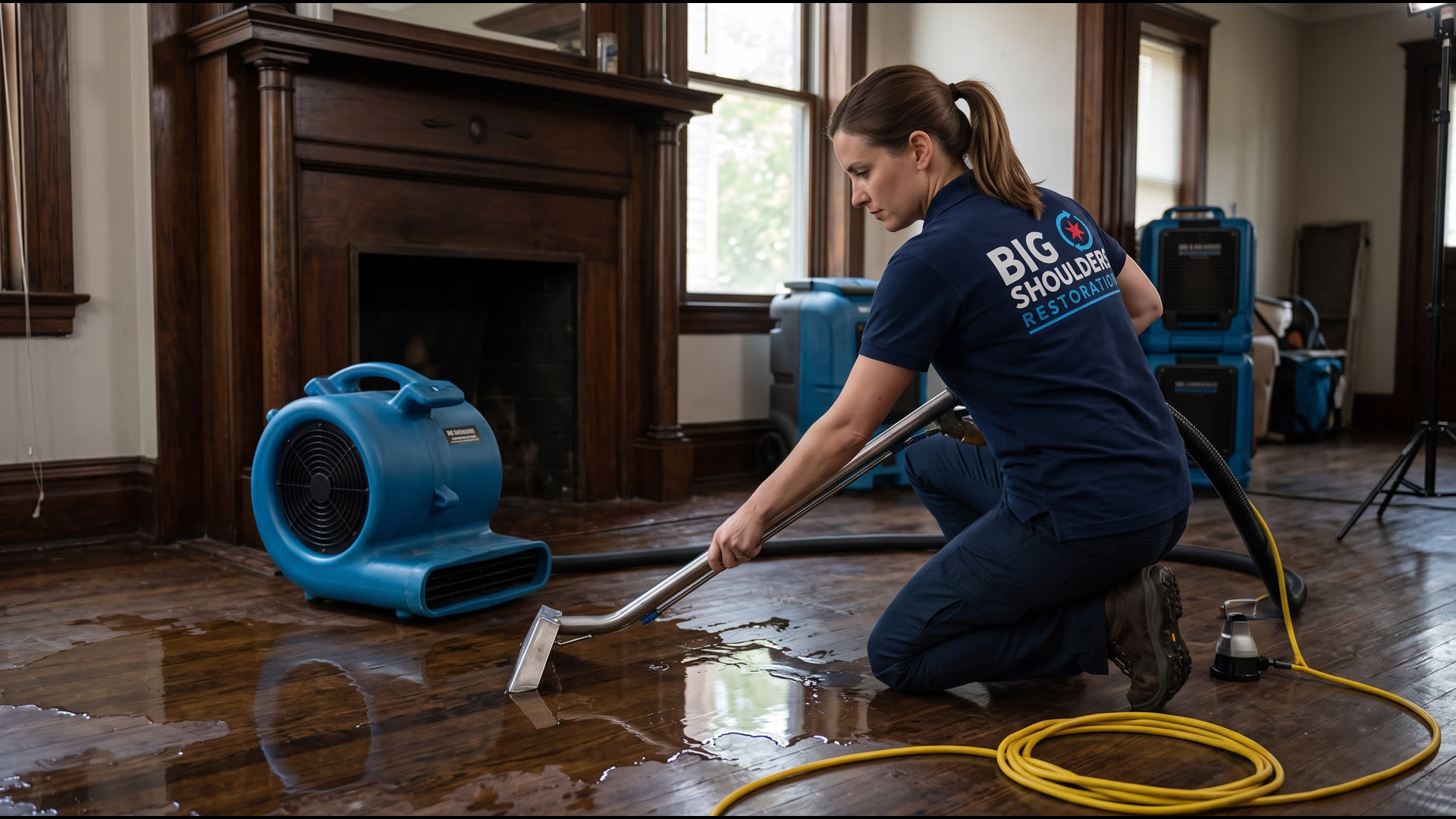 03
03Industrial extraction removes standing water fast, reducing drying time and limiting secondary damage.
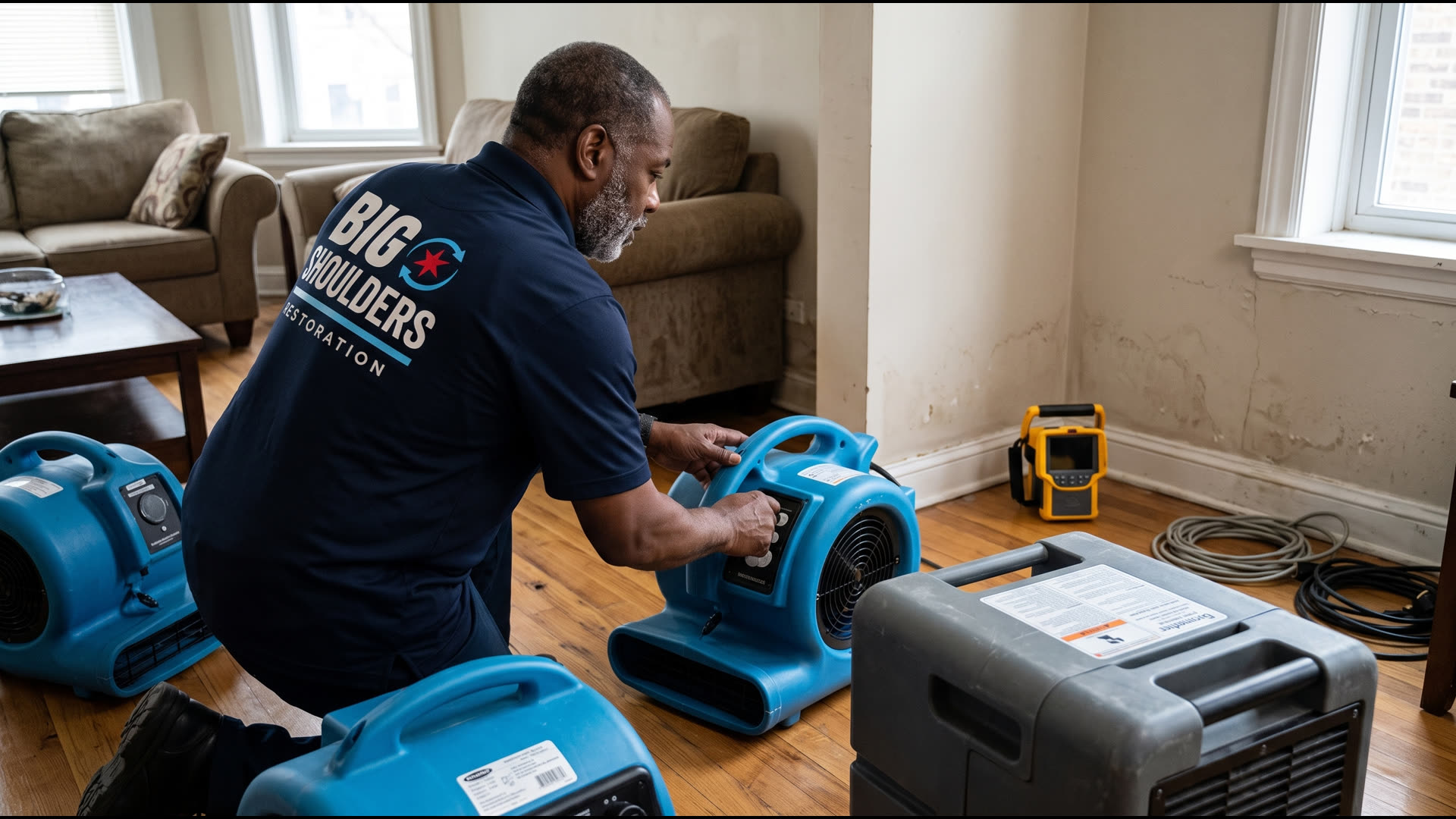 04
04Air movers and dehumidifiers draw moisture out of structural materials over the following days — with readings, not guesses.
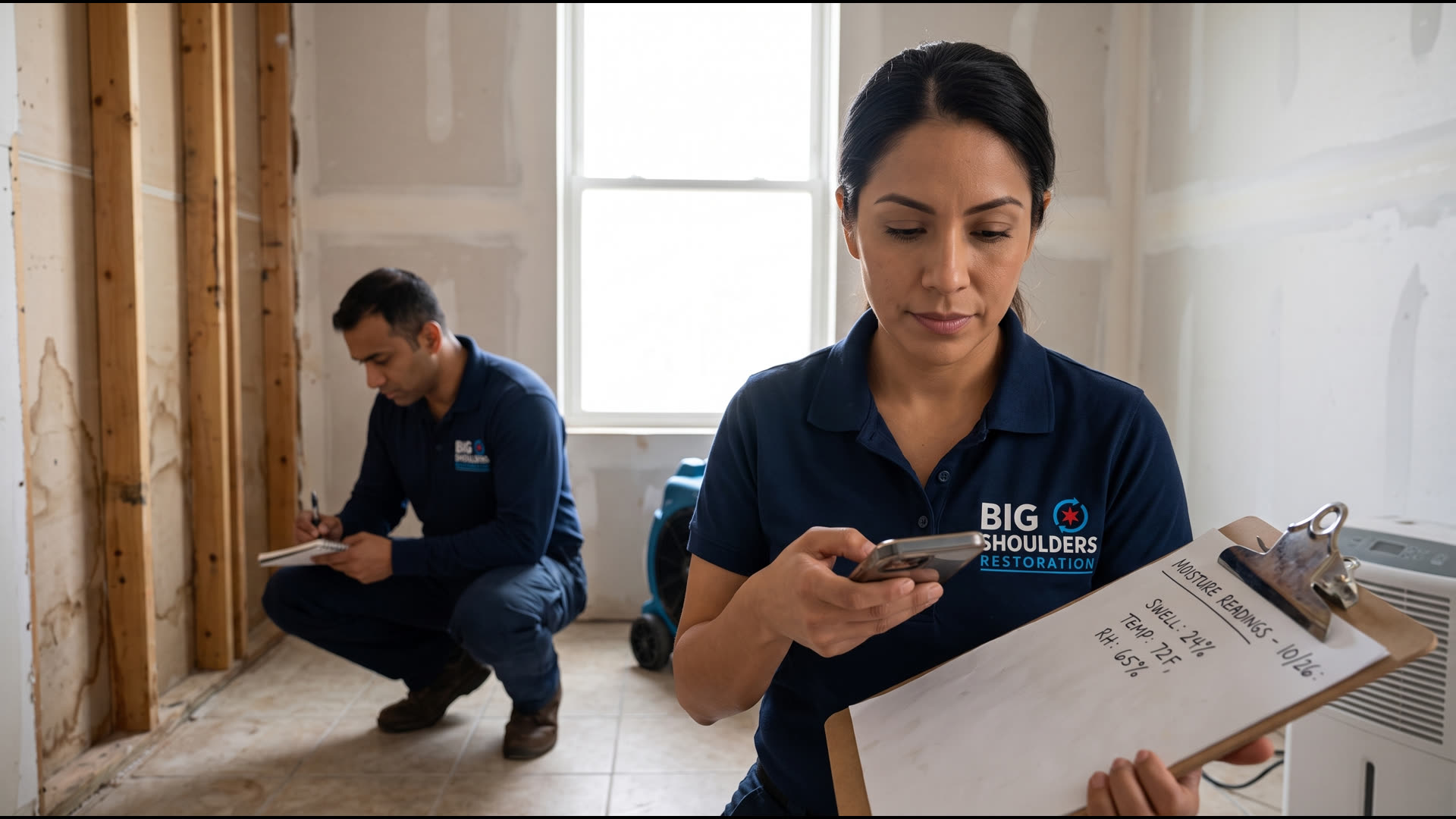 05
05Affected surfaces are cleaned and treated to limit microbial growth.
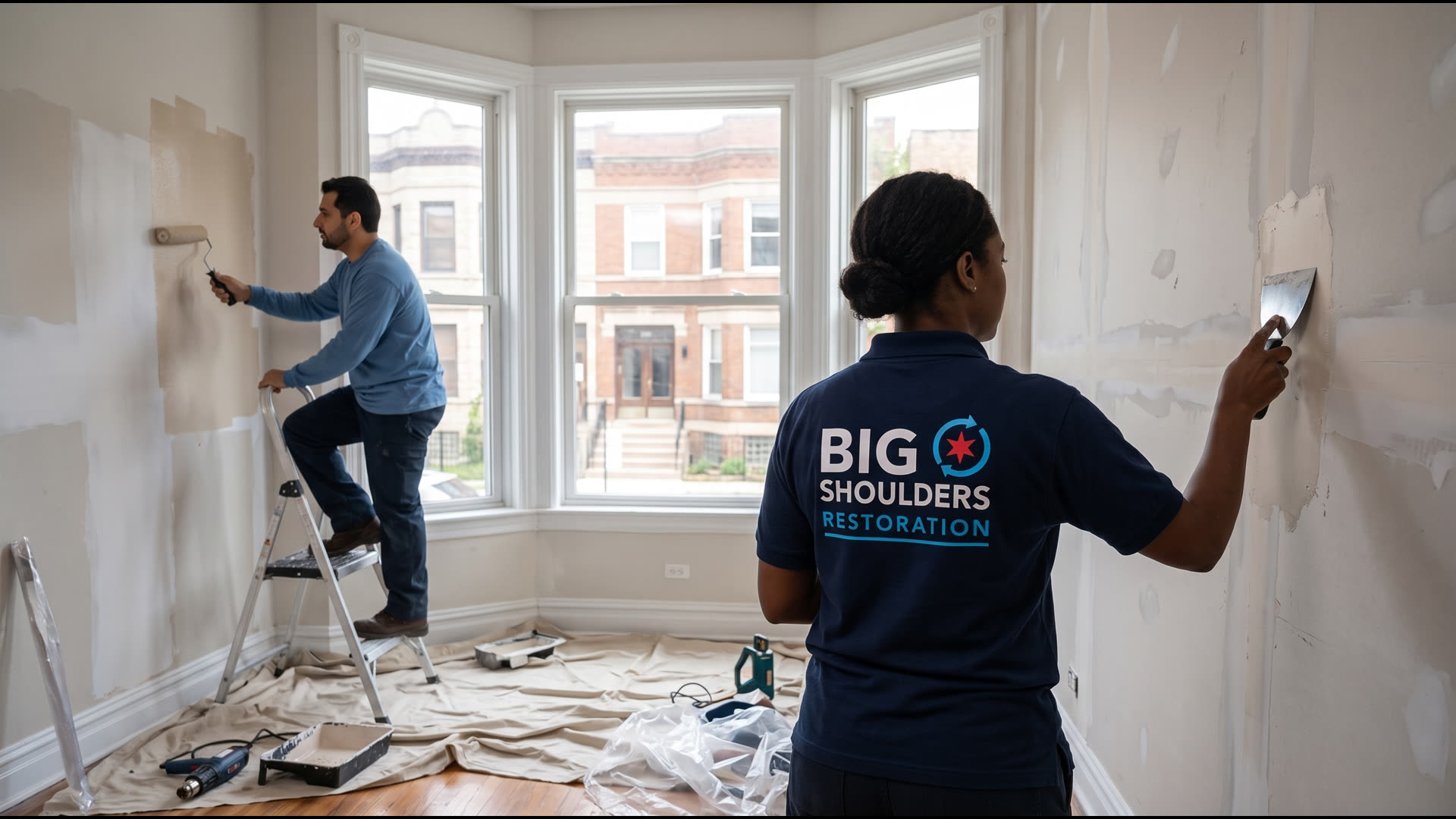 06
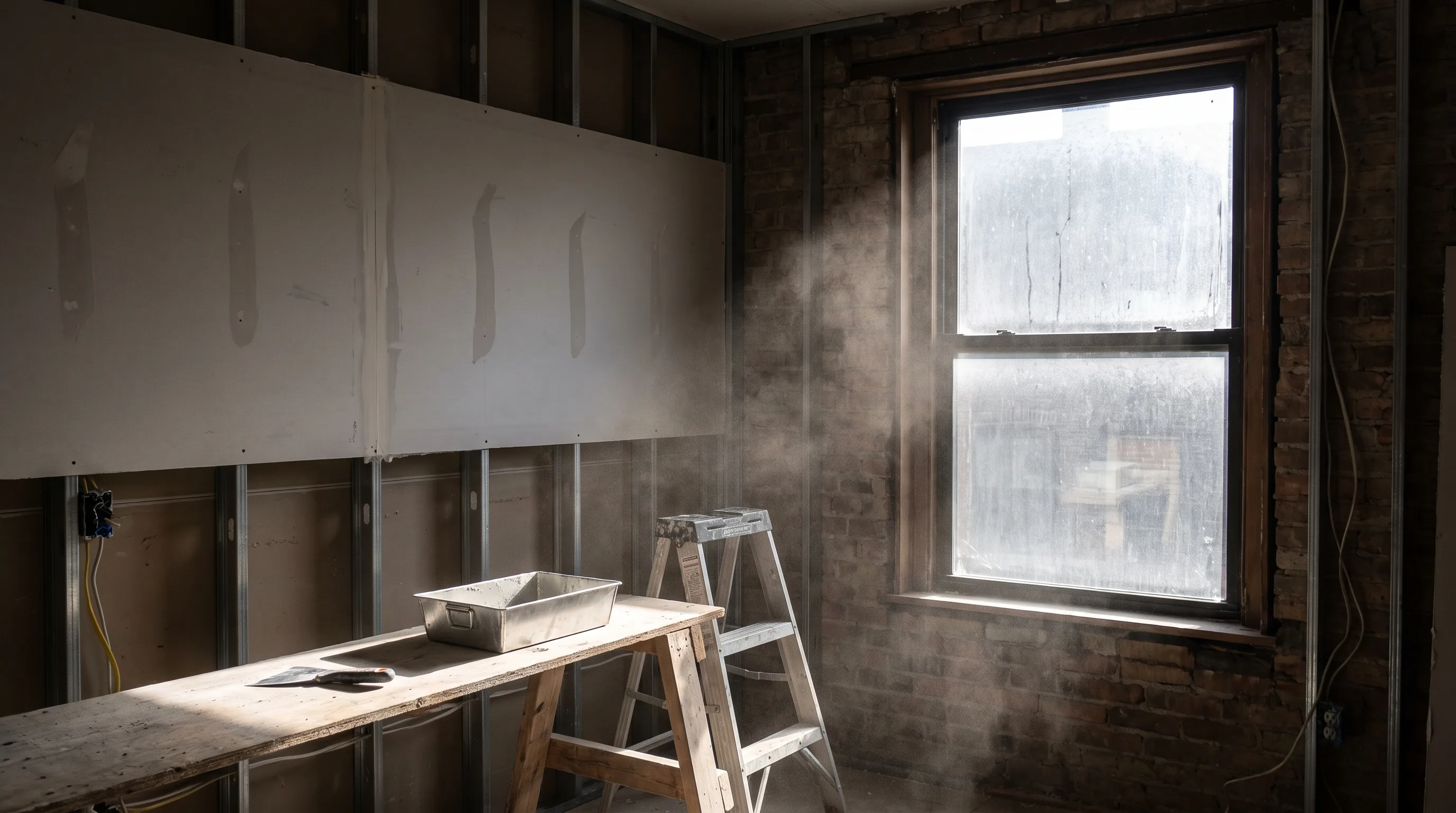
06Drywall, flooring, and finishes stay in-house. You are not handed off to another contractor when the fans come up.
Field view
Greystones, two-flats, bungalows, and courtyards on the North Side. We already know the basements, crawl spaces, and older plumbing.
Stacked units and ground-floor retail. We document for the unit policy and the building, and work freight and access rules so the file does not stall.
Timeline
Extraction the same visit. Commercial drying typically 3–5 days with daily readings. Rebuild days to weeks depending on what cannot be saved.
What drives cost
Driven by category of water, how long it sat, and how much assembly is wet — not a flat “flood fee.” You get a written scope before extra work proceeds.
Insurance
Sudden and accidental water is usually covered. We photograph, map moisture, and write the scope so the claim has a spine. Coverage is still the carrier’s call.
Questions
Mold can begin growing within 24 to 48 hours under the right conditions. Fast extraction and thorough drying are the difference between a water job and a mold job.
Most homeowners policies cover sudden and accidental water damage like burst pipes or appliance failures. We document damage and work with your insurer from the first hour.
Mitigation is the emergency phase: stop the spread, extract, dry. Restoration is the rebuild. We handle both in-house.
Usually no. Sewage or major structural damage may require temporary relocation. We tell you plainly after the assessment.
It depends on the material and how long it sat wet. We give an honest call either way — not a default tear-out.
Request assessment
A real technician from this shop answers. Not a bot. Not an outsourced call center. Name, phone, ZIP, and what happened. If it cannot wait, call the 24/7 line.
(773) 900-8407Request a callback
A real technician from this shop answers. Not a bot. Not an outsourced call center.