

01
Materials beyond repair
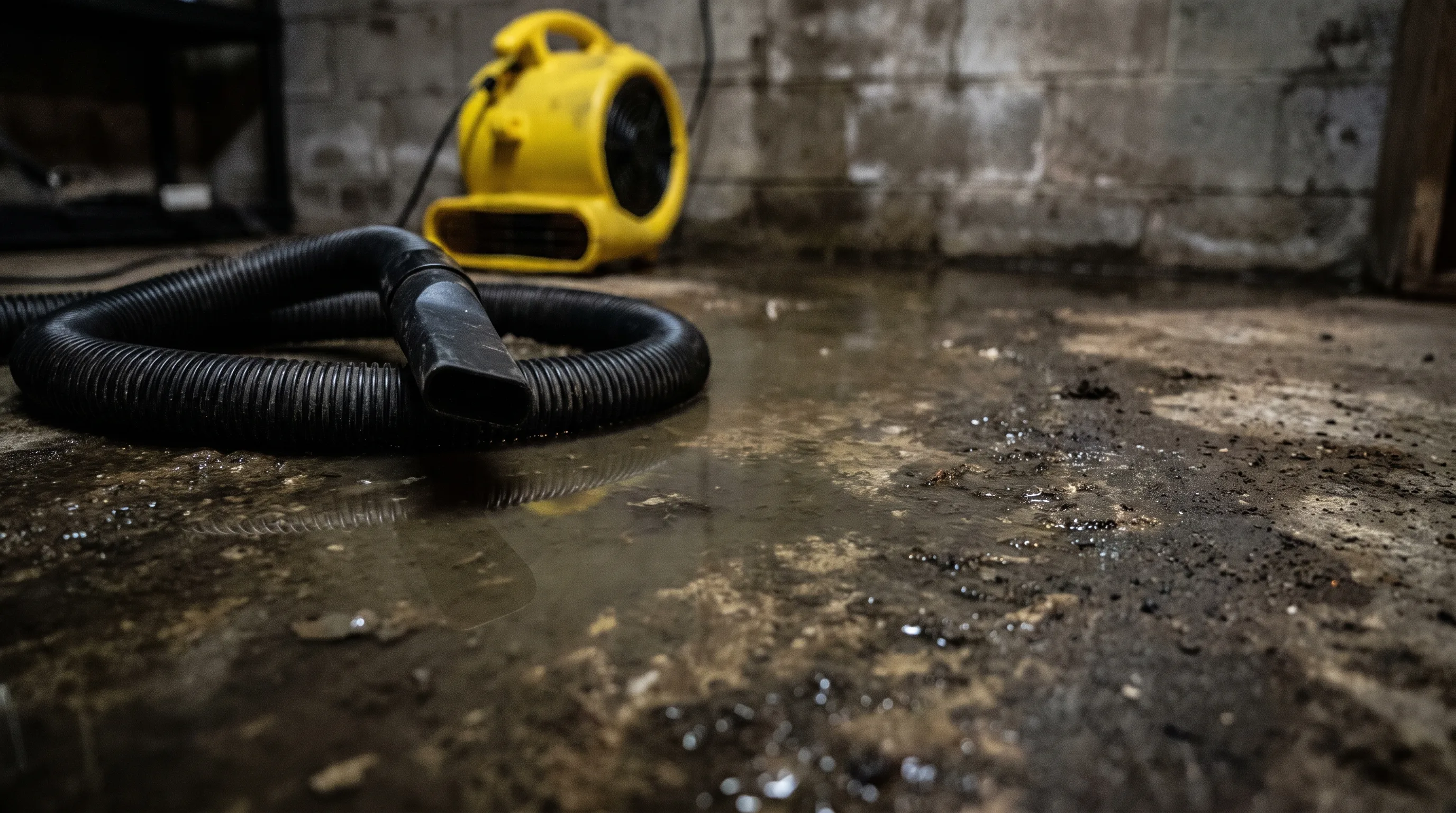
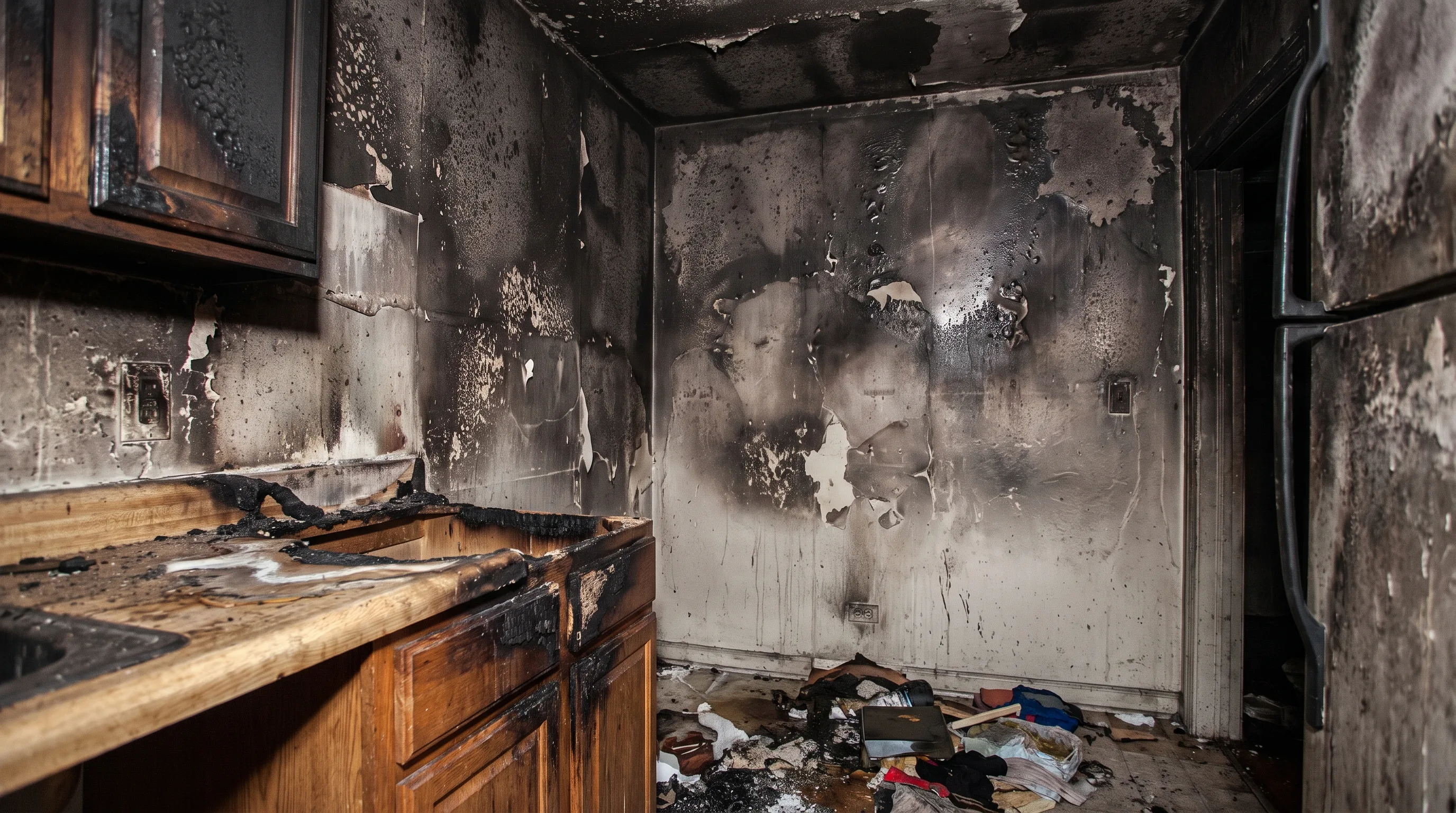
Water, fire, or mold destroyed finishes that cannot be dried in place.
Reconstruction · Chicago
The crew that dried it puts the room back.
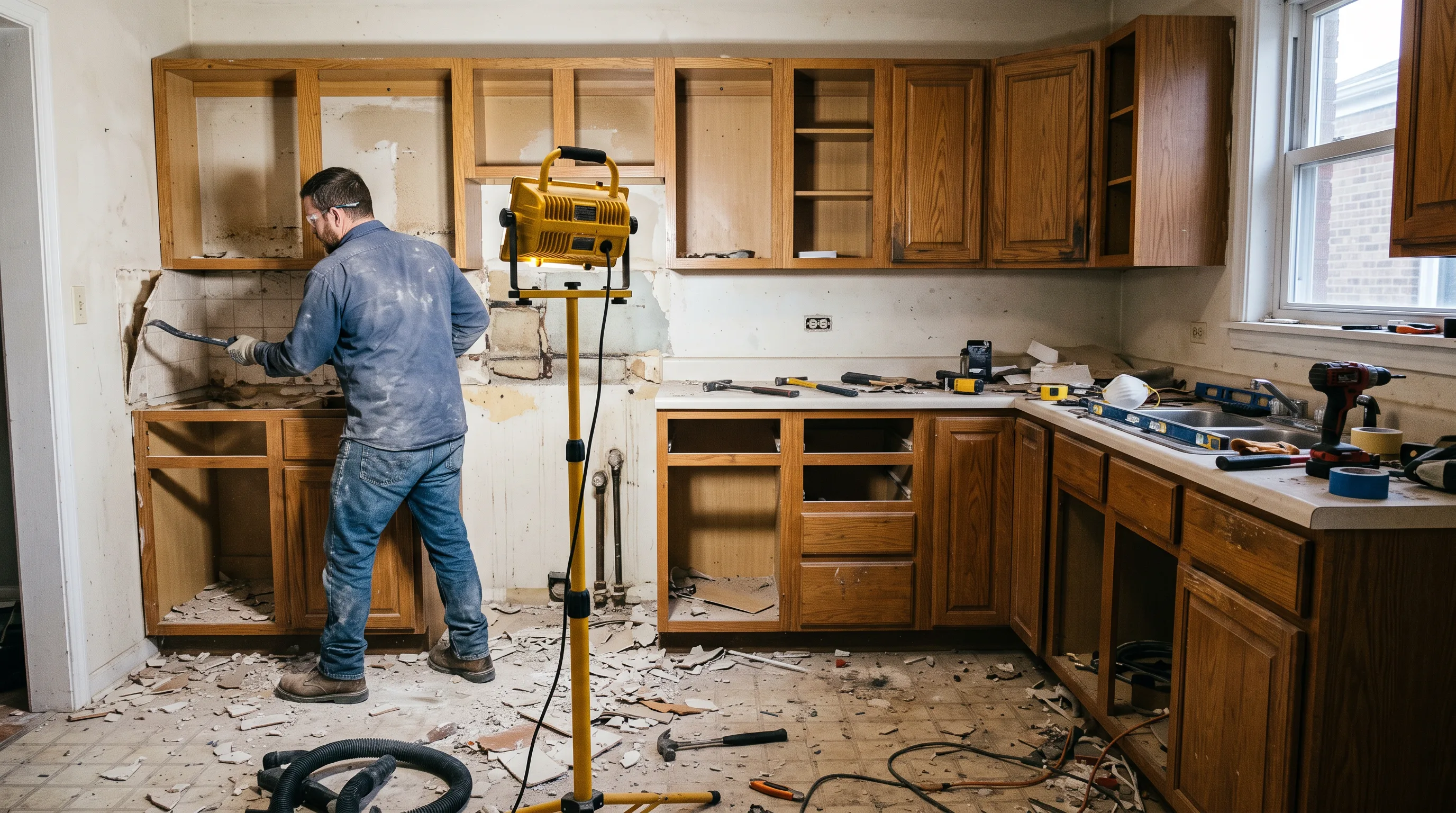
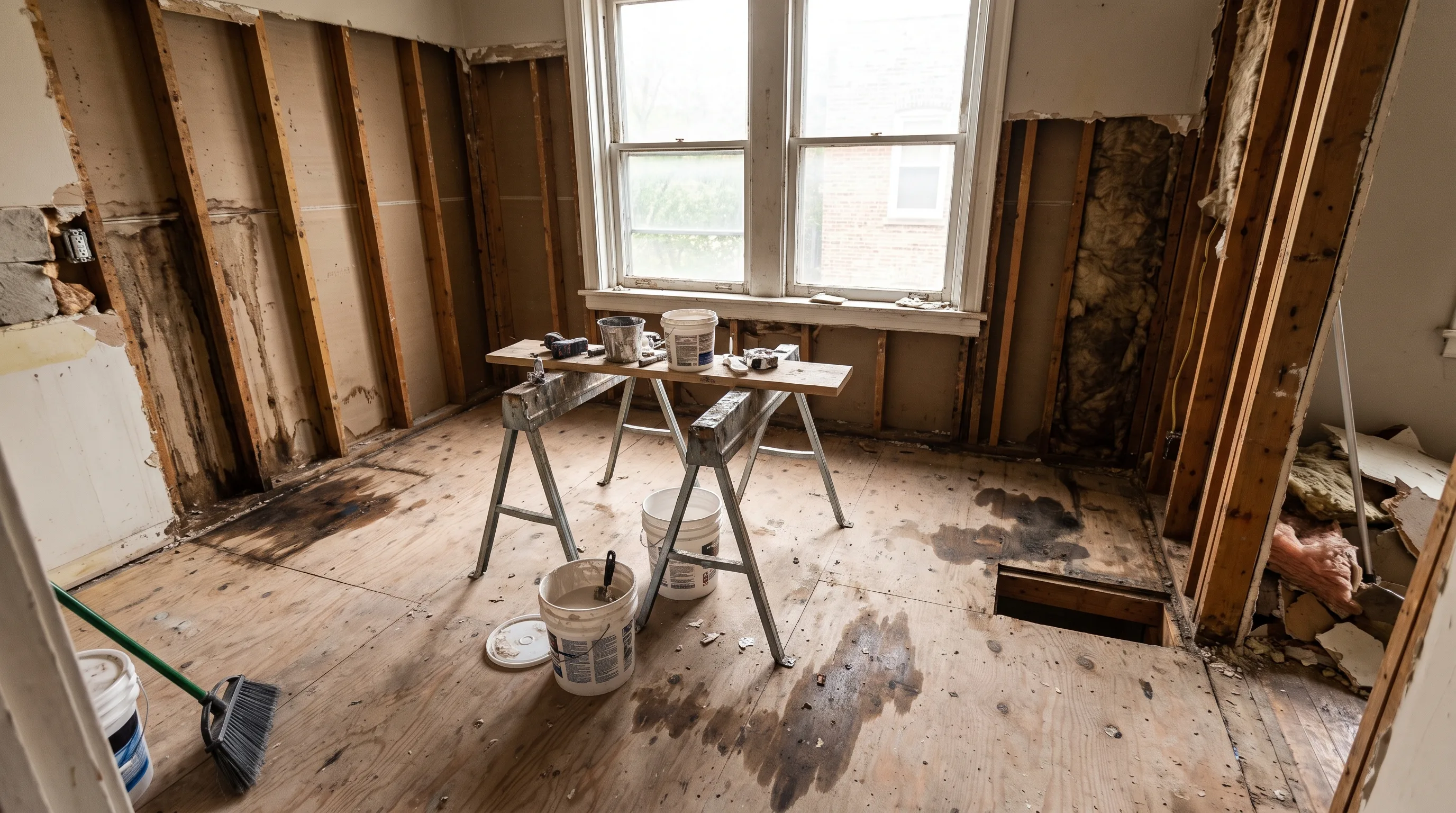
The fans came up. The room did not. Mitigation stops the damage; reconstruction restores the house. We stay for drywall, trim, paint, and floors — one file, one shop, no handoff. The moisture map is already in the folder when rebuild starts.
One file
Mitigate to finish
Licensed
Trades in-house
Walkthrough
Nothing closes unsigned

Request a callback
A real technician from this shop answers. Not a bot. Not an outsourced call center.
After mitigation
The fans came up. The room did not.
Your house
You have a hole in the kitchen, a stack of moisture logs, and a list of finish carpenters who cannot start until someone owns the drywall. You already told this story once. Living in a construction zone while vendors bounce the file is the usual next chapter — unless the shop that dried it stays.
Why this shop
01
We already know the joists, the moisture map, and the claim. You do not onboard a stranger.
02
No “we don’t do rebuild.” Trim, paint, floors — finished, documented, done.
03
Same file from extract through the last coat. You are not managing five trades from a group chat.
When to call
Fans coming up is not the finish. These are the usual reasons the same shop stays.
When rebuild starts
Water, fire, or mold destroyed finishes that cannot be dried in place.
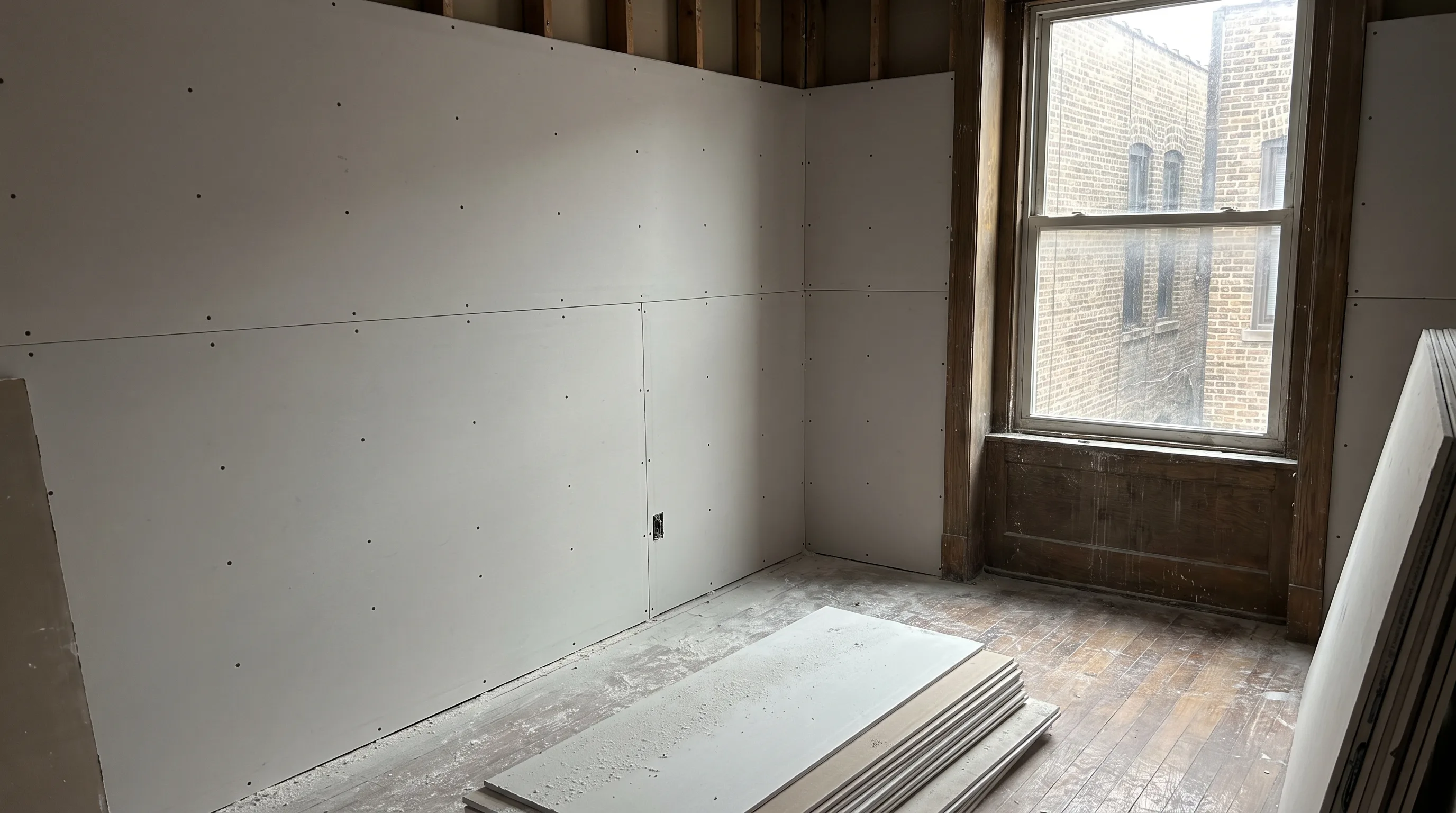
Drywall, flooring, or ceilings were removed to dry. Someone has to put the rooms back.
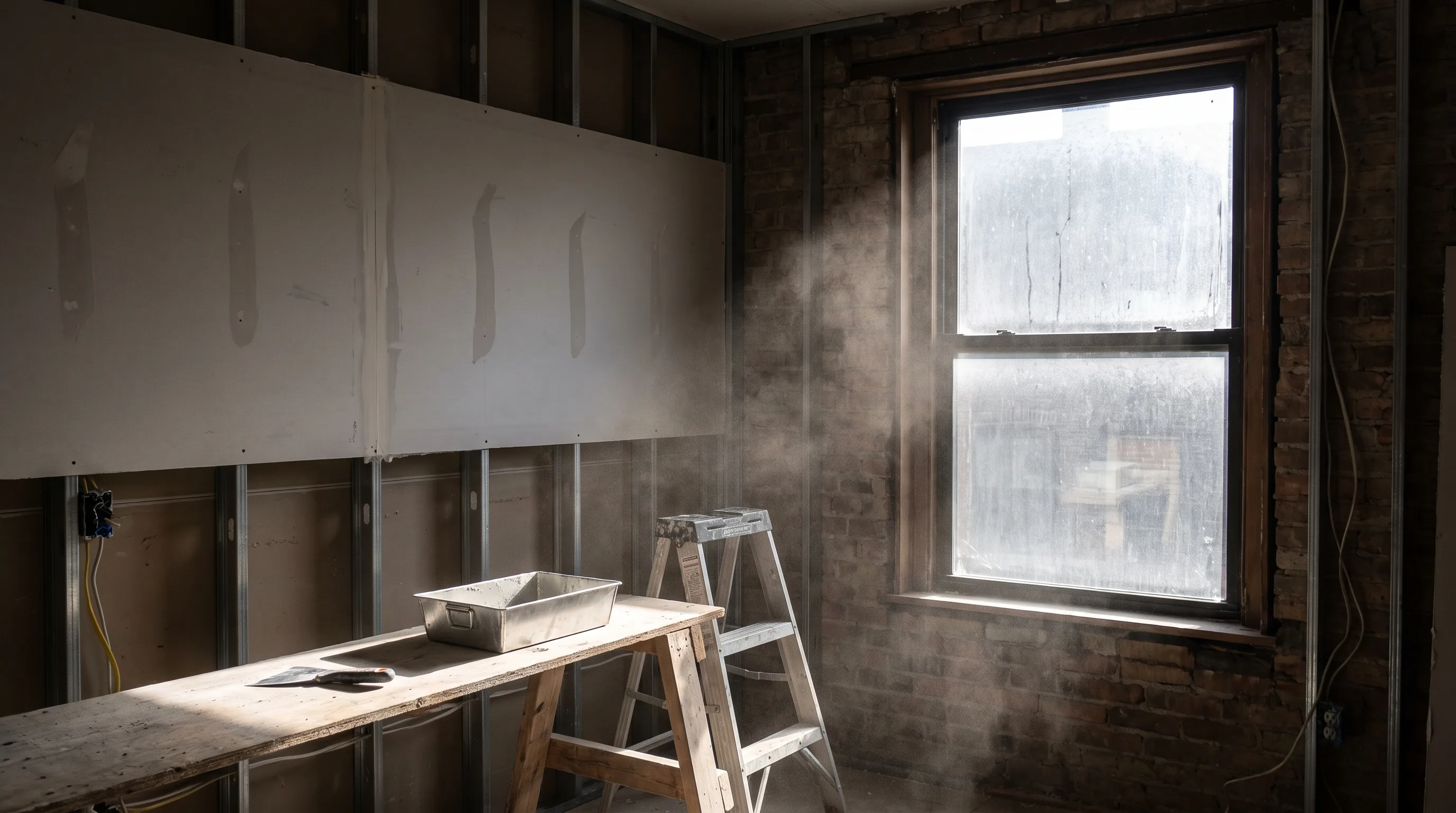
Framing, subfloors, or wet assemblies that need licensed construction — not a patch.
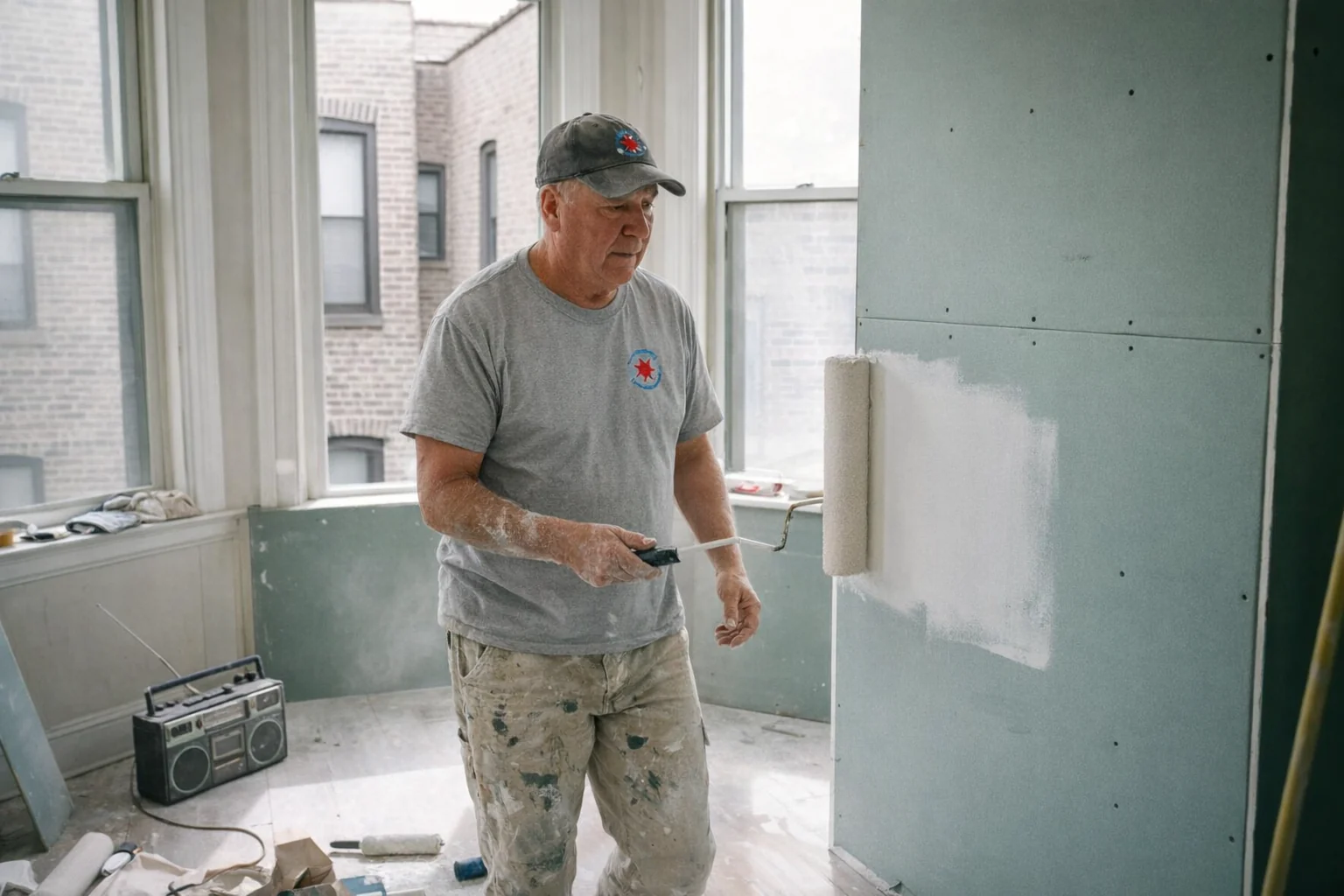
Fixtures, cabinets, and wet rooms after a loss, with insurance coordination on like-kind replacement.
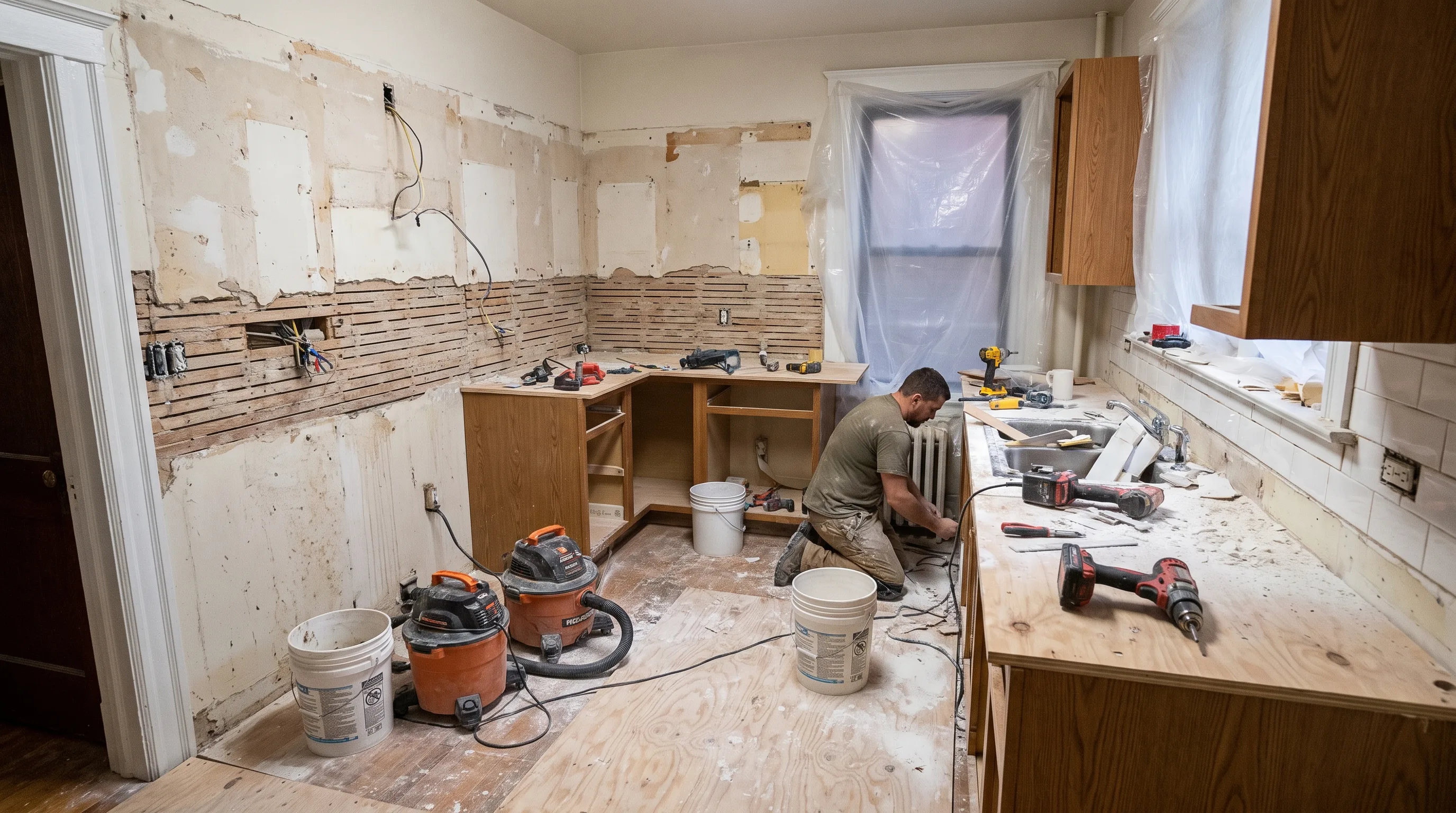
You were left with a dried shell and no rebuild path. We can pick up from documented mitigation.
Insurance covers like kind and quality. You can pay the difference to finish the room better than it was.
Why the same shop
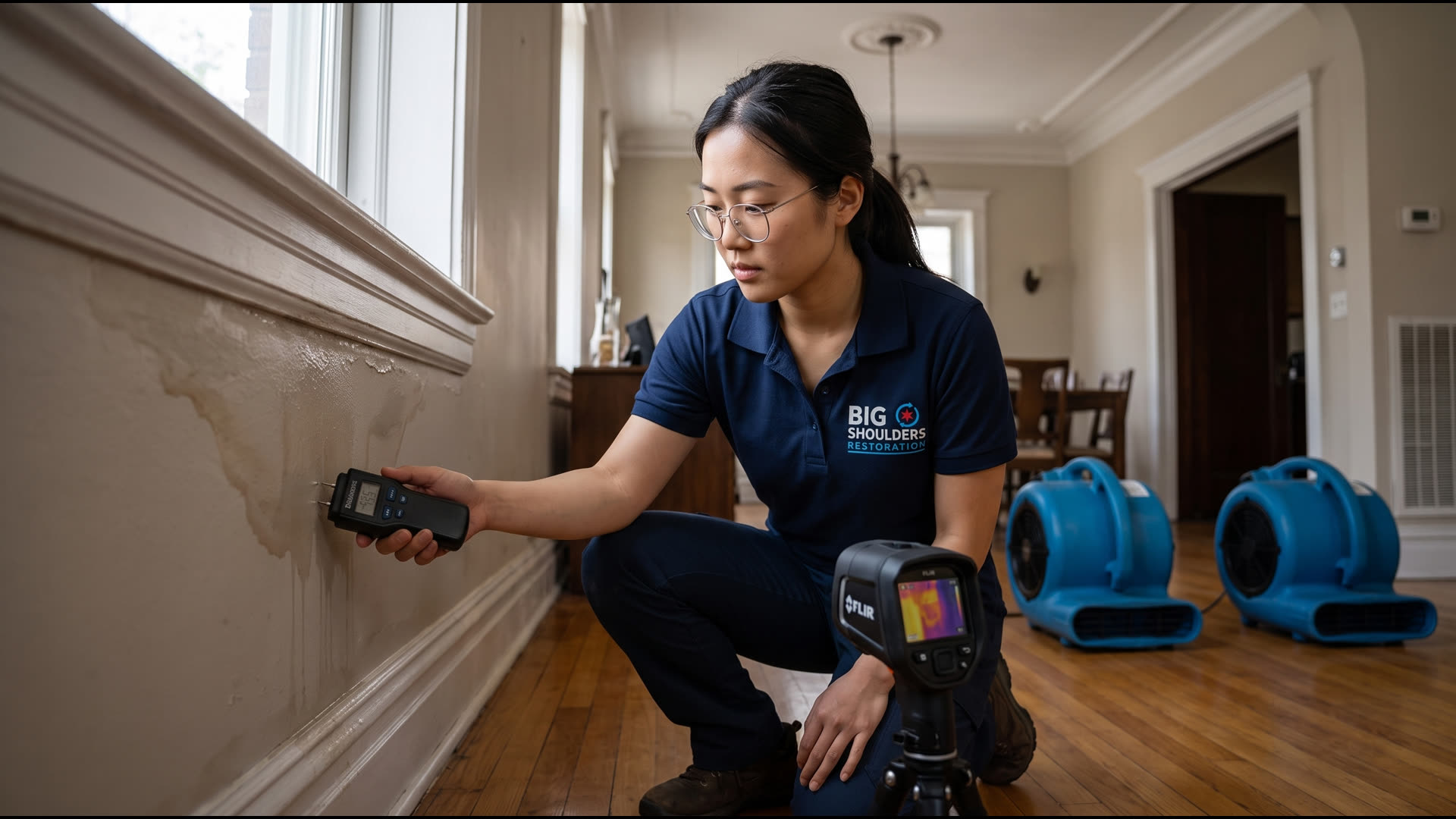
Handoffs lose the moisture map. We already know what was wet because we logged it. Rebuild is the second half of the same file, not a new contractor reconstructing the story.
Like-kind and quality for the claim. Upgrades billed as upgrades. You see which is which before we order materials.
Process
01
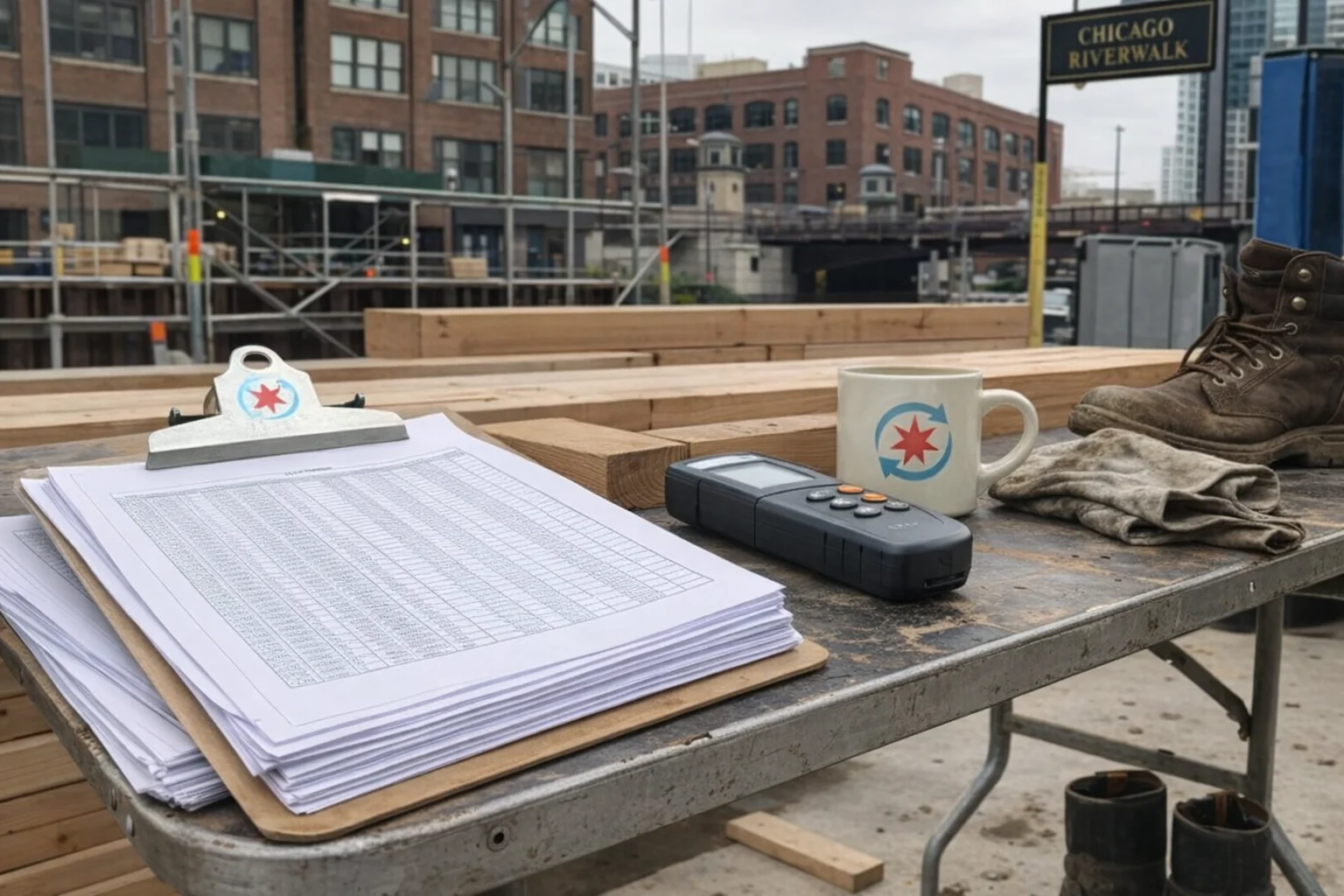
After mitigation, we scope every reconstruction need in writing.
02
Itemized numbers. We work the covered reconstruction with your adjuster.
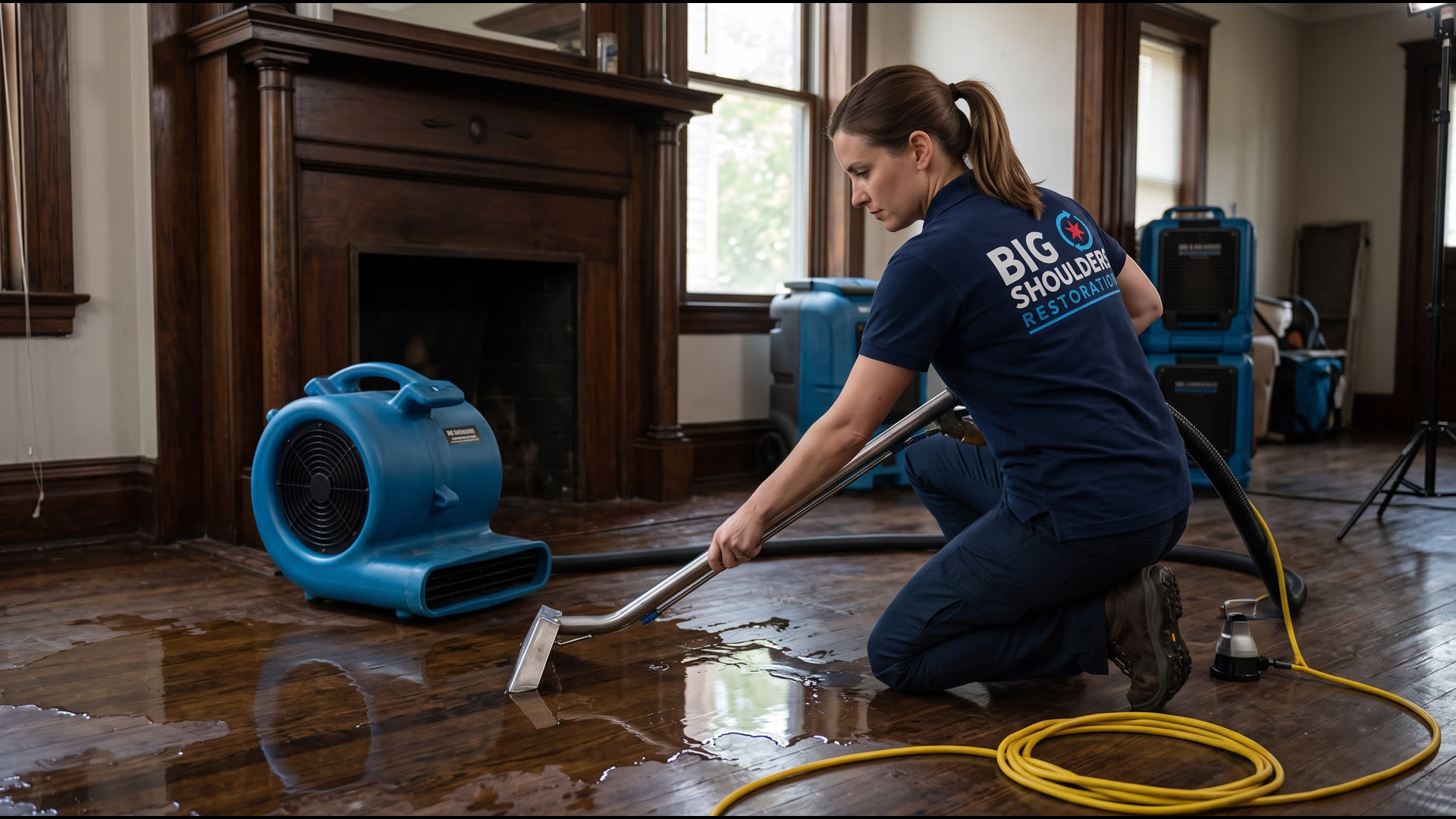
03
Floors, counters, fixtures — budget and style, without mystery markups.
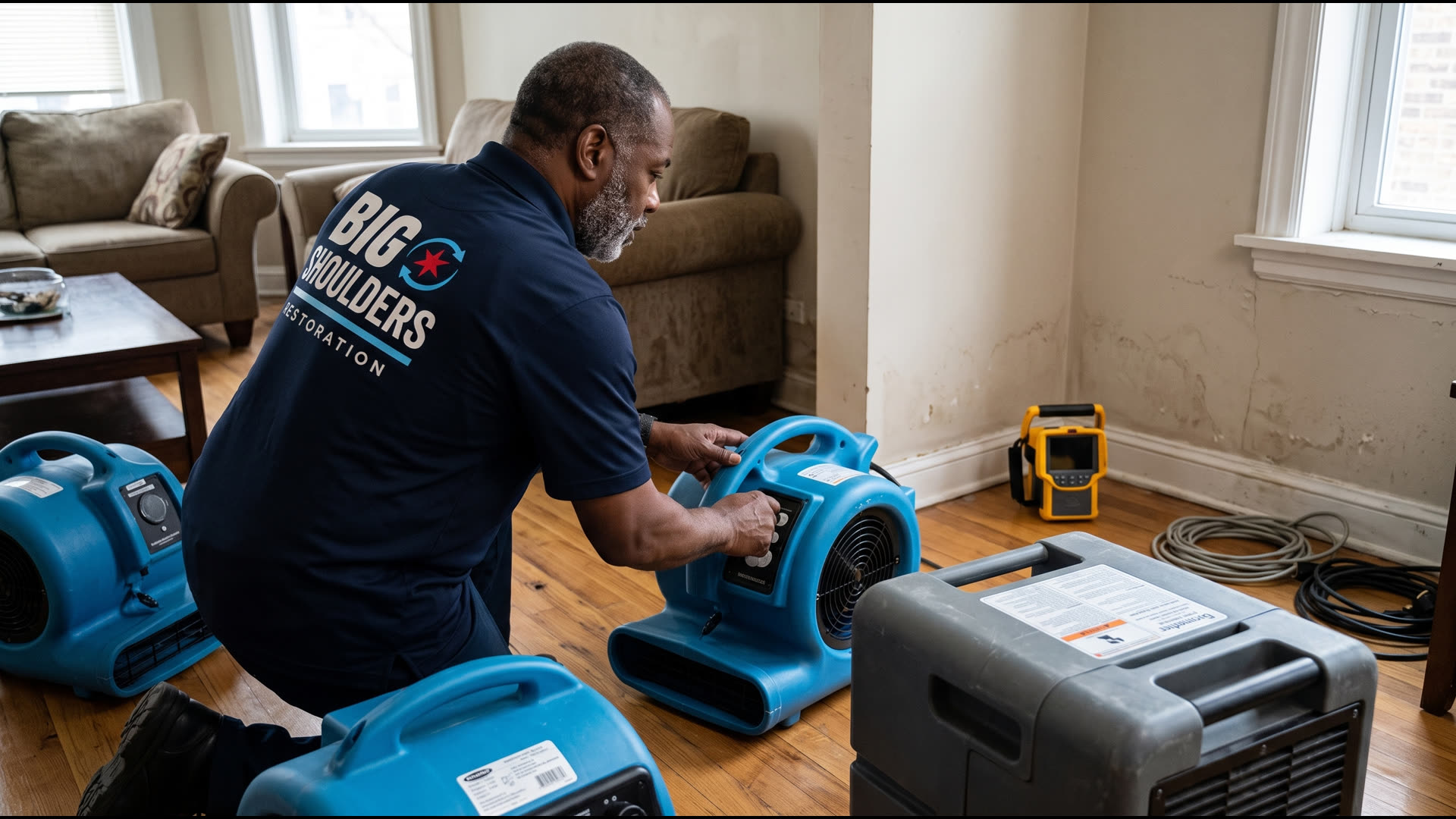
04
Licensed trades: framing, drywall, paint, flooring, trim.
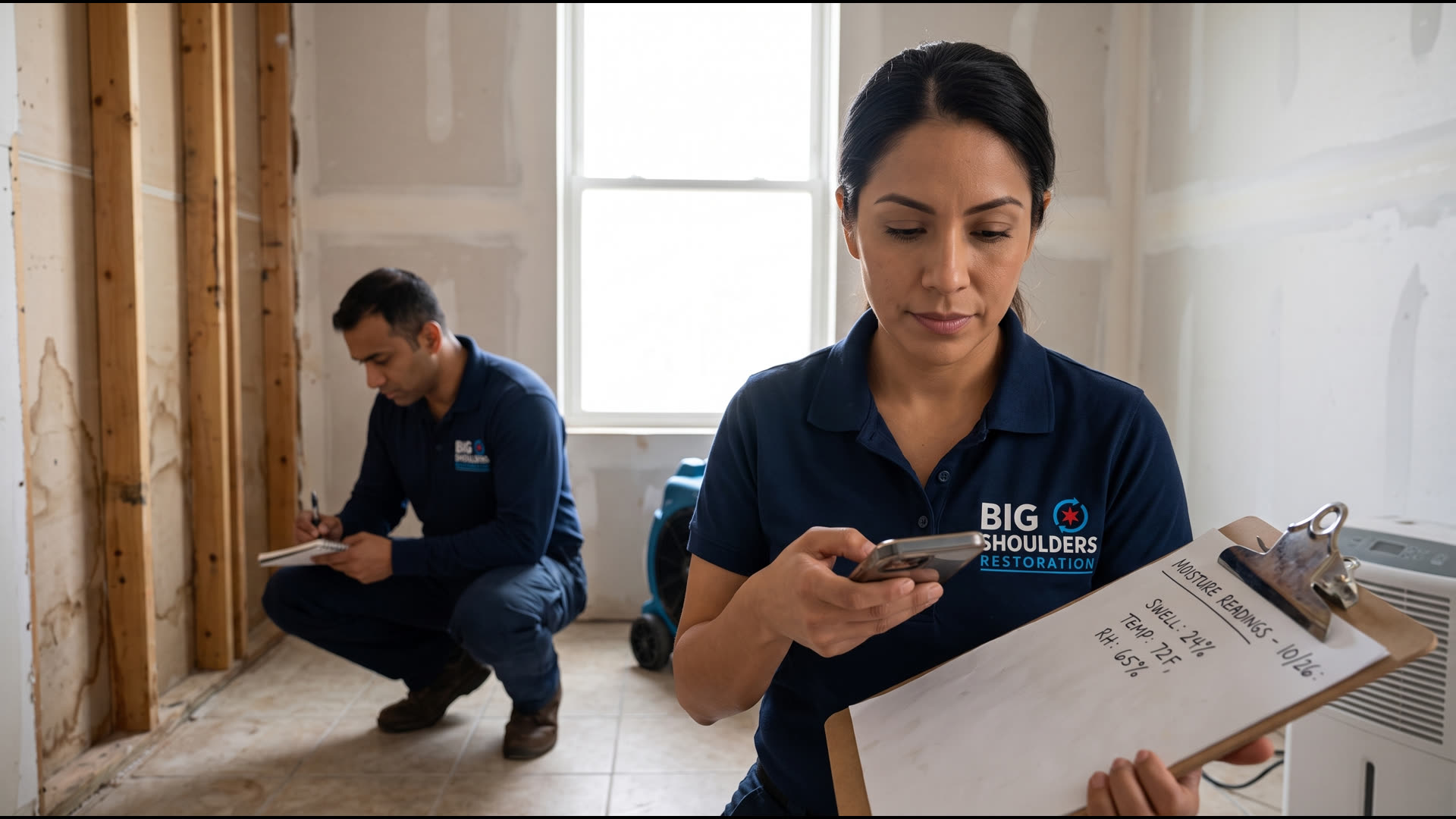
05
Ongoing QC so punch-list items do not wait until the last day.
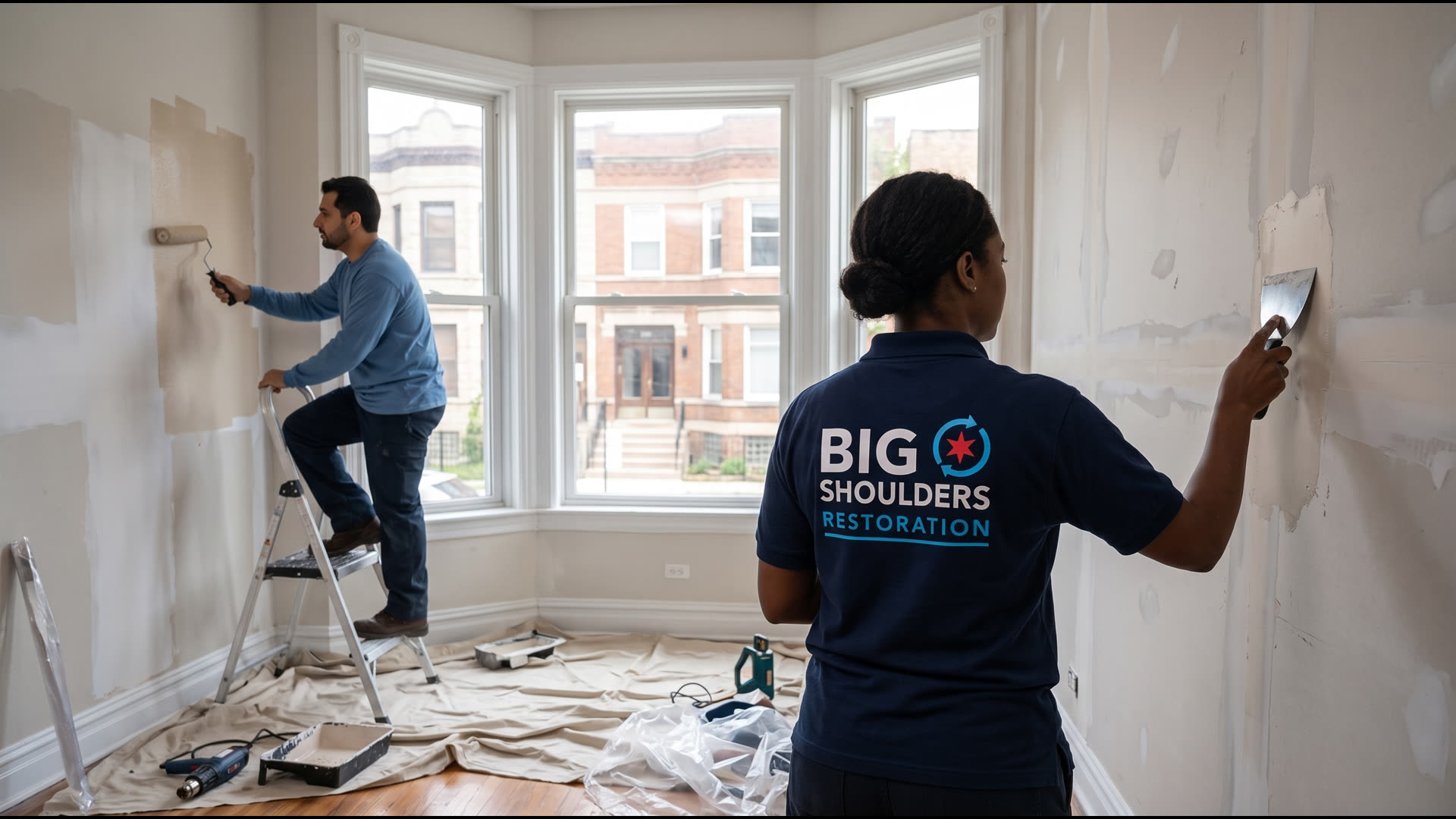
06
Nothing closes until you walk it and sign off.
The moisture log is already in the folder. Rebuild starts without a second inspection circus.
We review what was done, what is still wet, and estimate the rest honestly.
Timeline
Patch and paint: days. A room: 2–4 weeks. Major rebuilds: 1–3 months. The estimate has the schedule.
What drives cost
Itemized materials and labor. Insurance reconstruction coordinated with the adjuster. Upgrades are a separate line.
Insurance
Rebuild after a covered loss is typically in the claim. We keep the documentation continuous from mitigation so nothing has to be re-argued.
Questions
One contact, no story lost between teams. We already know what was wet because we dried it.
Yes. Insurance typically covers like kind and quality. You pay the difference for upgrades.
Patch and paint: days. A kitchen: weeks. Whole-home: months. You get a timeline with the estimate.
Yes. Permits when required. Work meets code.
We can still rebuild. We review what was done, the documentation, and estimate the rest.
Related
Request assessment
A real technician from this shop answers. Not a bot. Not an outsourced call center. Name, phone, ZIP, and what happened. If it cannot wait, call the 24/7 line.
(773) 900-8407Request a callback
A real technician from this shop answers. Not a bot. Not an outsourced call center.