

01
Spring and summer flooding
Heavy rain overwhelms drainage. Basements, crawl spaces, and foundation seepage get extracted, dried, and documented for the claim.
Storm & flood · Chicago
Stabilize the envelope. Dry the interior. Write the claim.
24/7 · a person answers
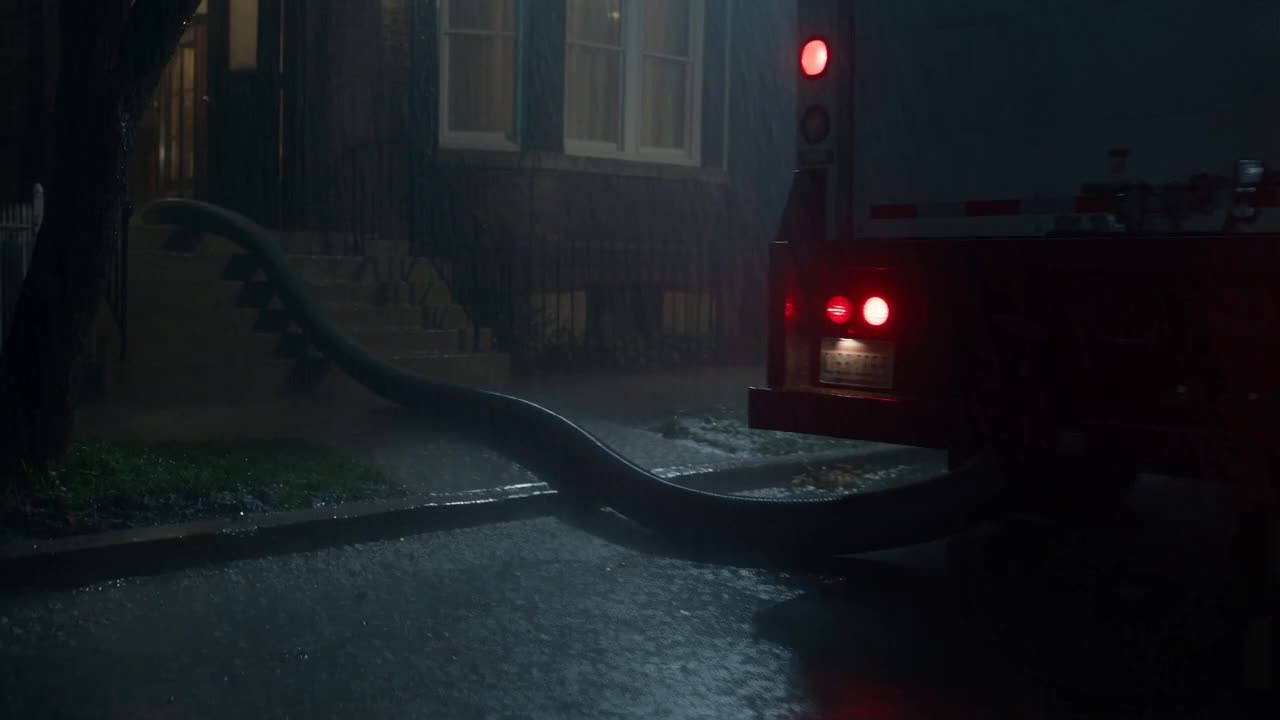
The storm moved on. The water in the roof and the ceiling did not. We extract, dry, and document so you are not guessing about coverage while the next rain finishes the job — 24/7, including the night the weather hits.
30 min
Target response
24/7
Storm nights too
File
Photos from hour one

Request a callback
A real technician from this shop answers. Not a bot. Not an outsourced call center.
Portage Park bungalow
The storm moved on. The water did not.
Your house
A section of roof is open. Tarps are flapping. The ceiling in the back bedroom is stained. You are not waiting in a three-week queue while the next rain finishes the job — and you are not signing a porch contract with a storm chaser who will not be here in October.
Why this shop
01
Board and tarp so the next cell does not soak the attic. Then dry the interior.
02
We will still be on Berteau when the claim is open. No ladder-and-clipboard pitch on the lawn.
03
Photos from hour one so the file does not start with “when did you notice.”
When to call
The weather passed. The water in the assembly did not.
Until we arrive
Shut off the water source if you can find the main.
Stay out of standing water until power to that area is off.
Photograph rooms, contents, and the source before you move anything.
Do not run HVAC through a wet cavity.
Do not throw out damaged items until we document them.
Storm losses
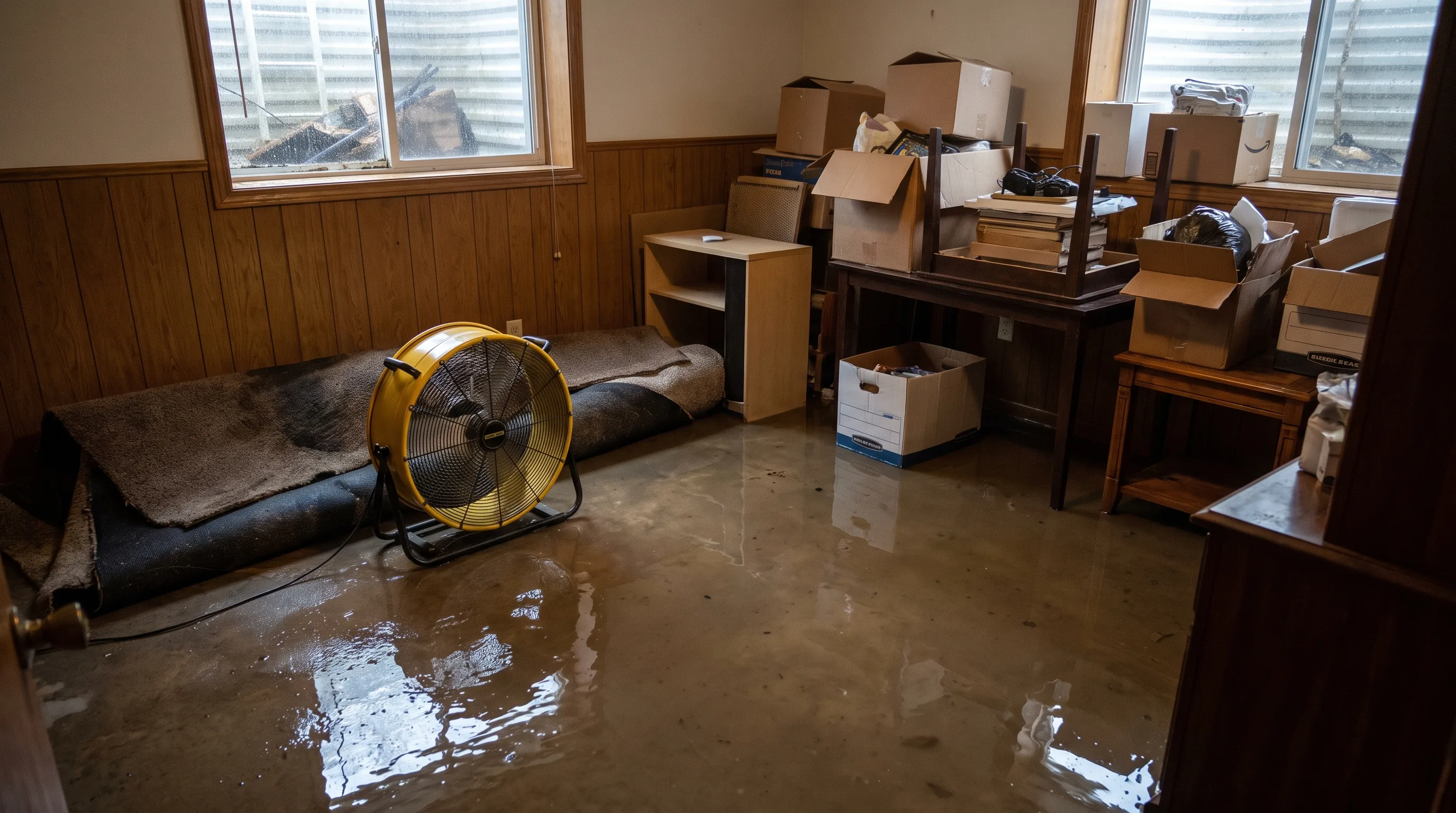
Heavy rain overwhelms drainage. Basements, crawl spaces, and foundation seepage get extracted, dried, and documented for the claim.
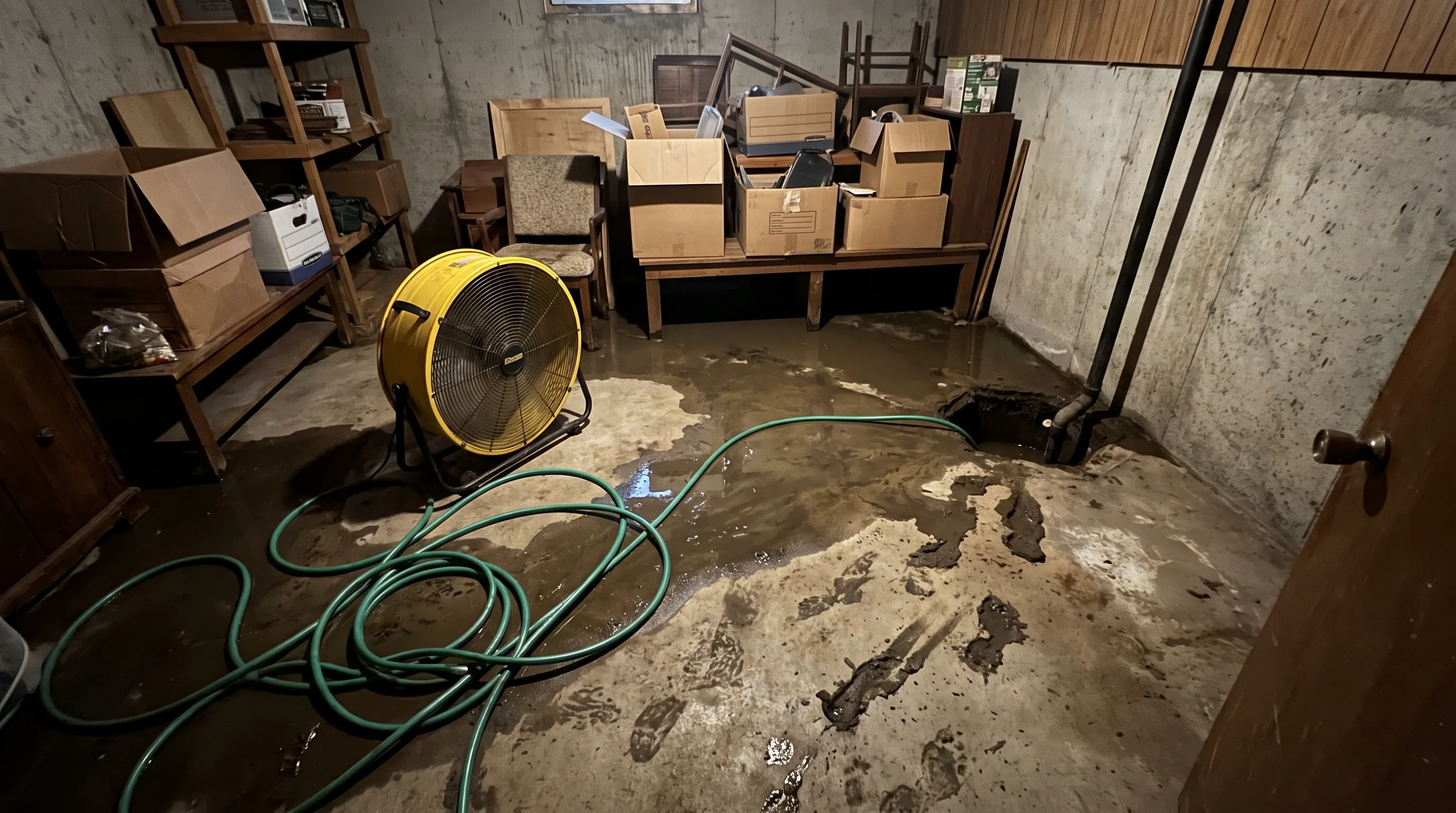
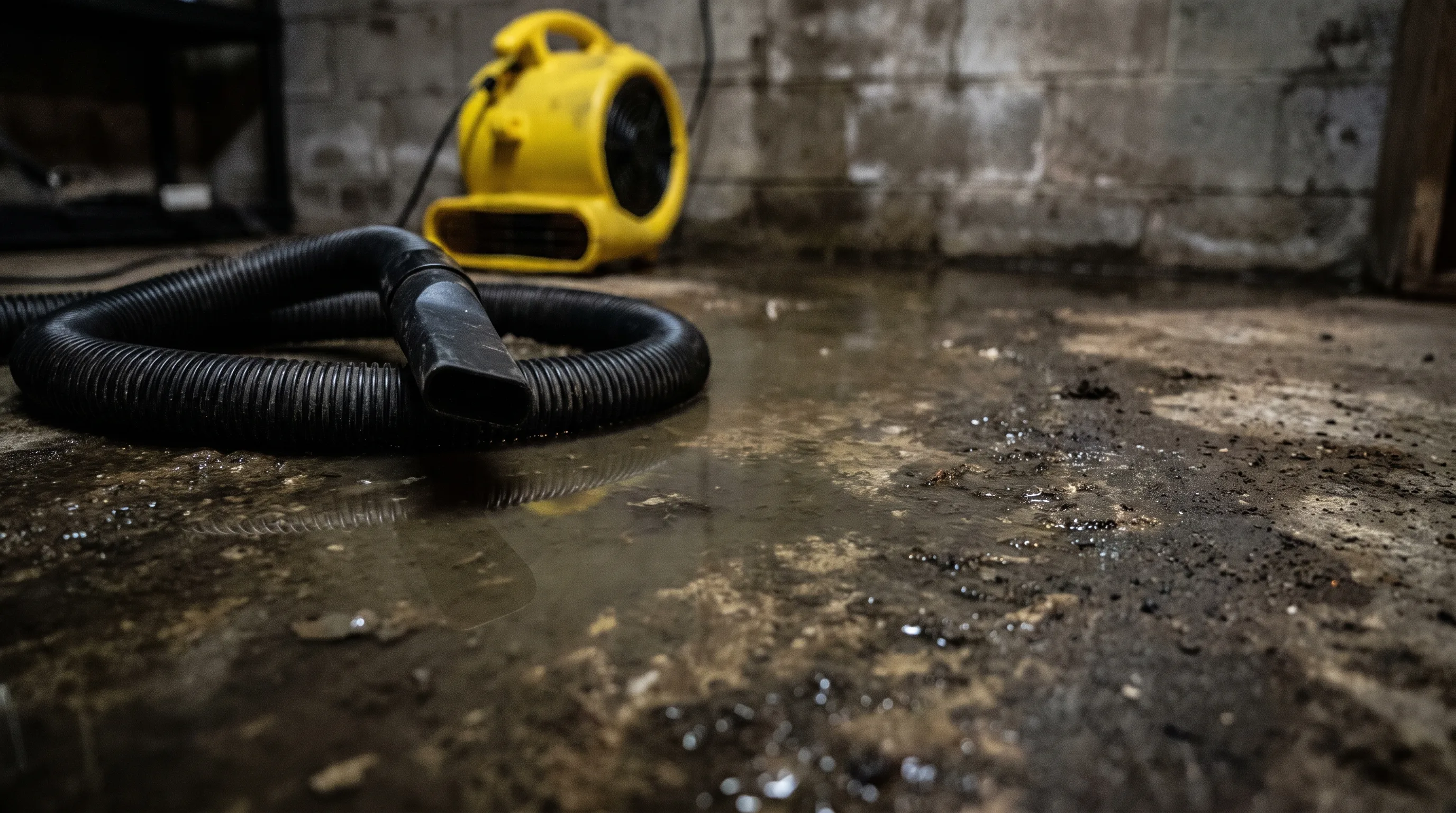
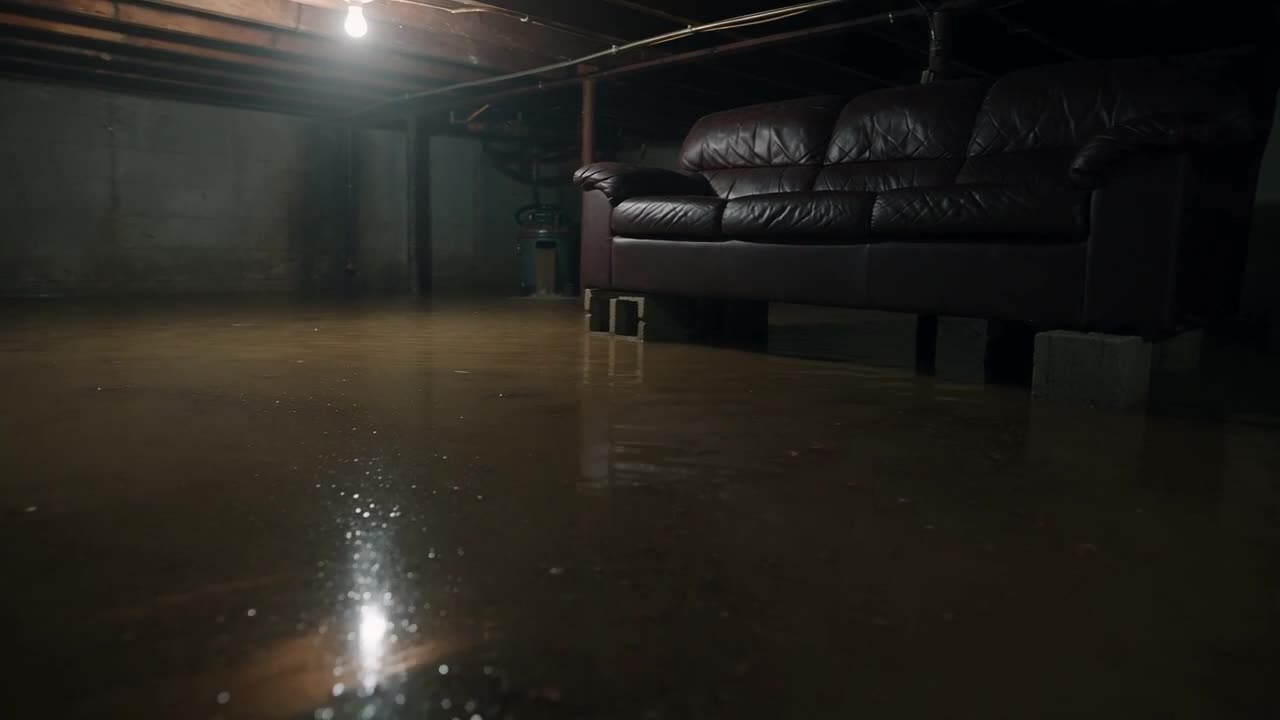
When groundwater rises and the pump fails, basements flood fast. We extract immediately so secondary damage and mold do not start the clock.
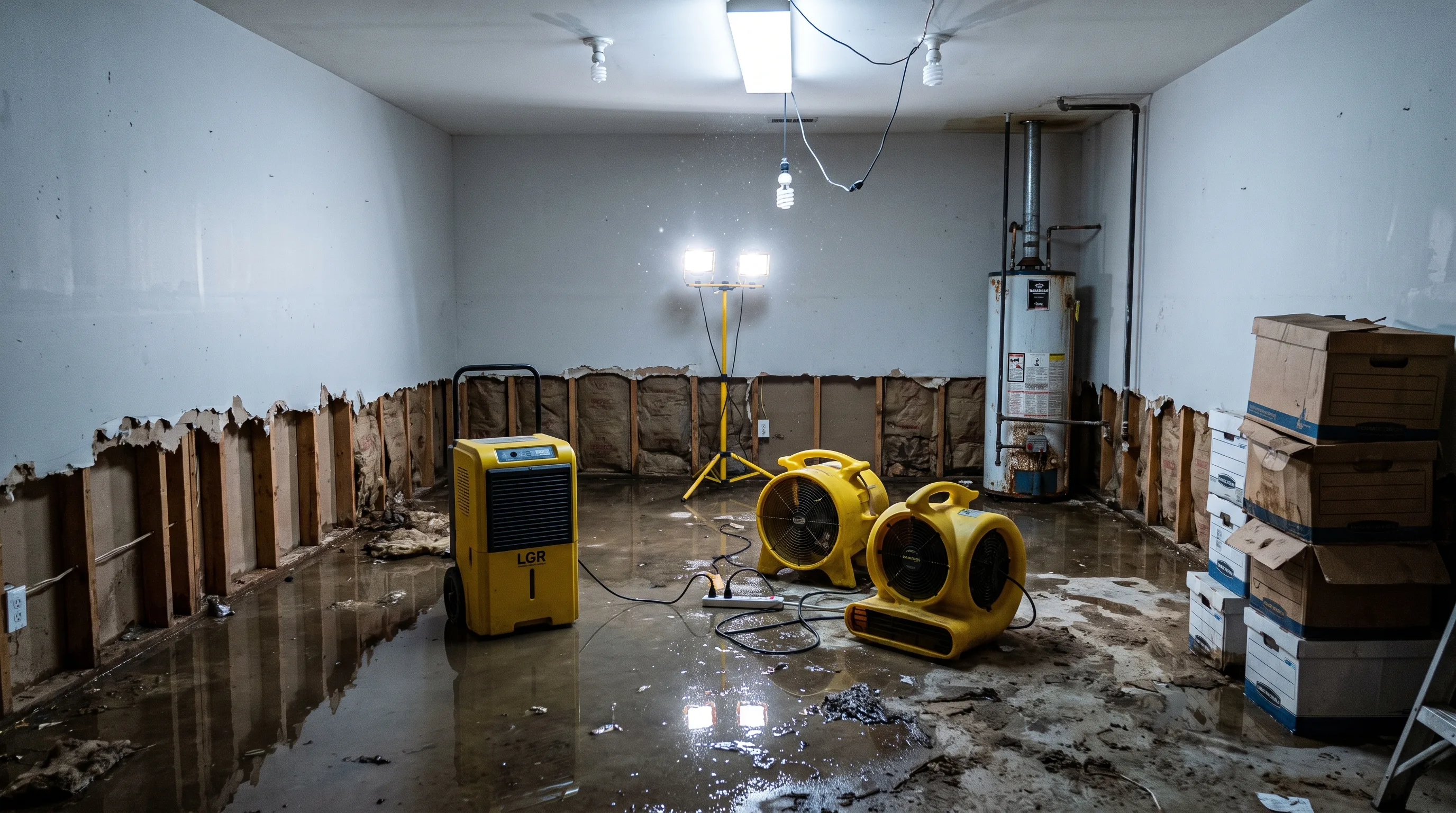
Wind and rain compromise roofing, window seals, and siding. We handle the interior — ceilings, insulation, walls — while you work the exterior with your roofer.
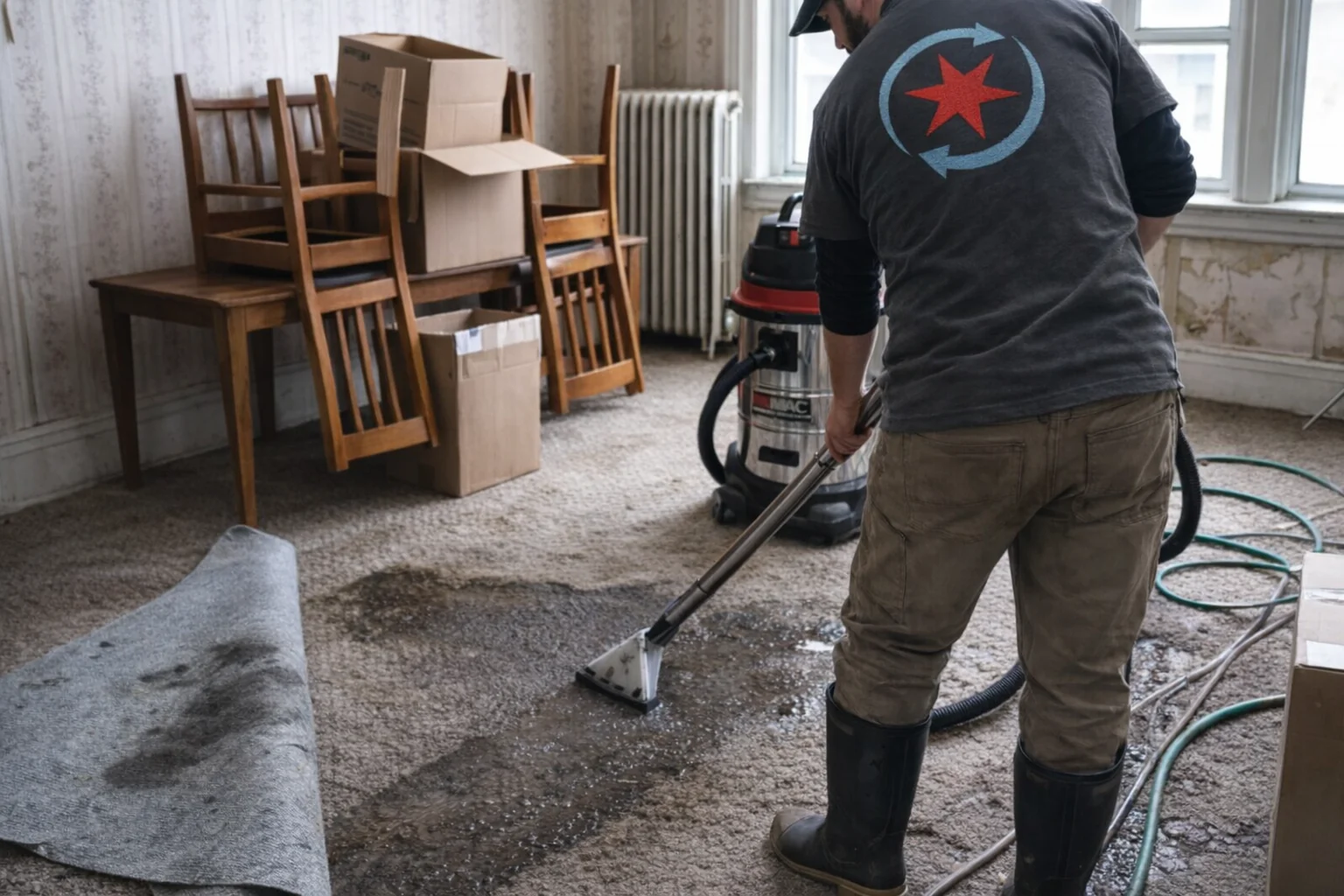
Frozen pipes, ice dams, and freeze events are water losses with a Chicago calendar. Same urgency as any other emergency extraction.
The clock starts immediately
Storm losses often have more than one entry point. Standing water still saturates the same assemblies as a burst pipe — it just arrived from the weather.
We extract, stabilize, and document while you deal with the roof or the city. Interior drying does not wait on the exterior contractor.
Within 1 hour
Standing water saturates flooring, drywall, and insulation.
Within 24 hours
Conditions for mold are in place.
By 48 hours
Materials that could have been dried start reaching replacement.
Process
 01
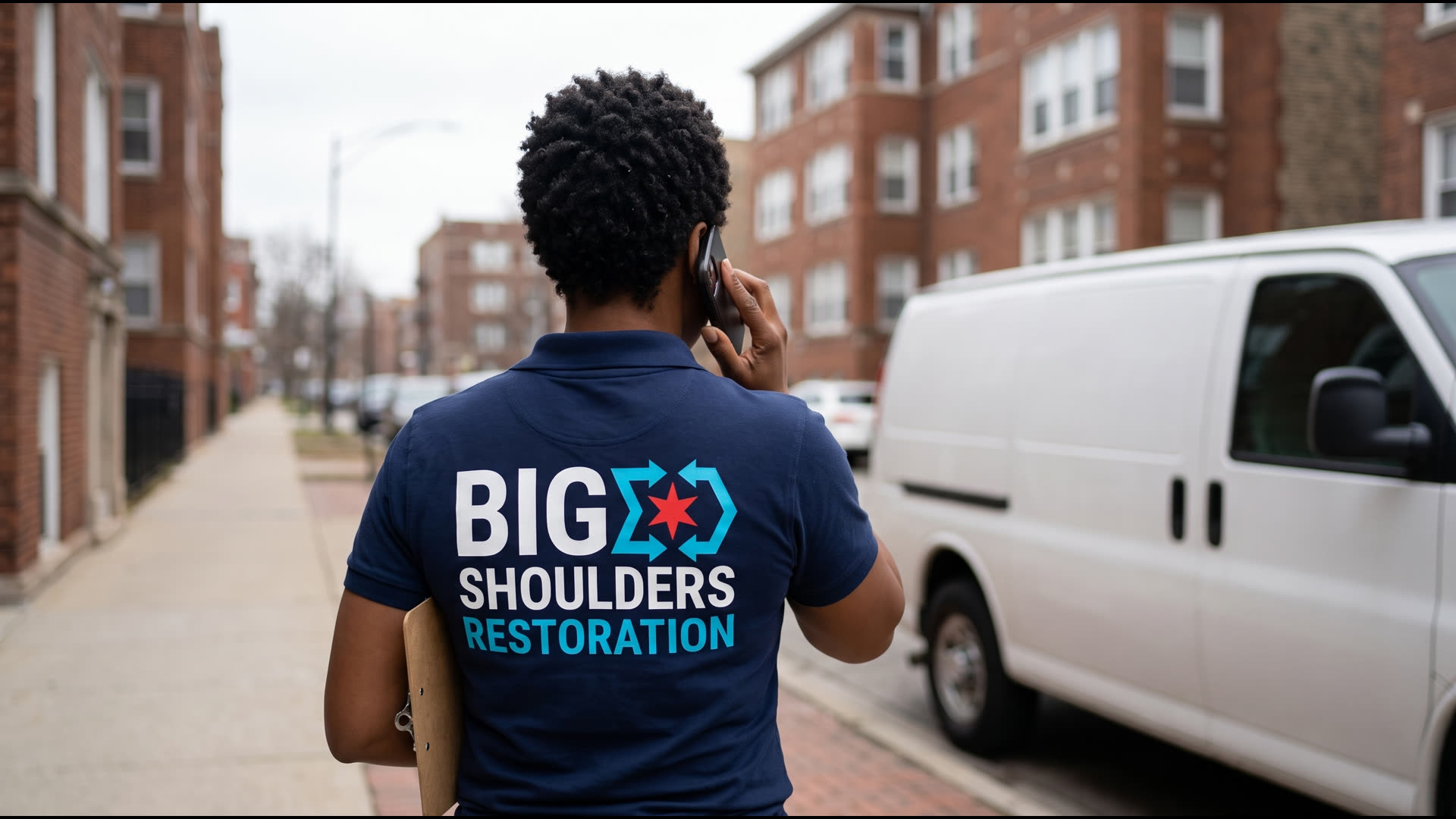
01Day or night. A few questions so we roll the right equipment.
 02
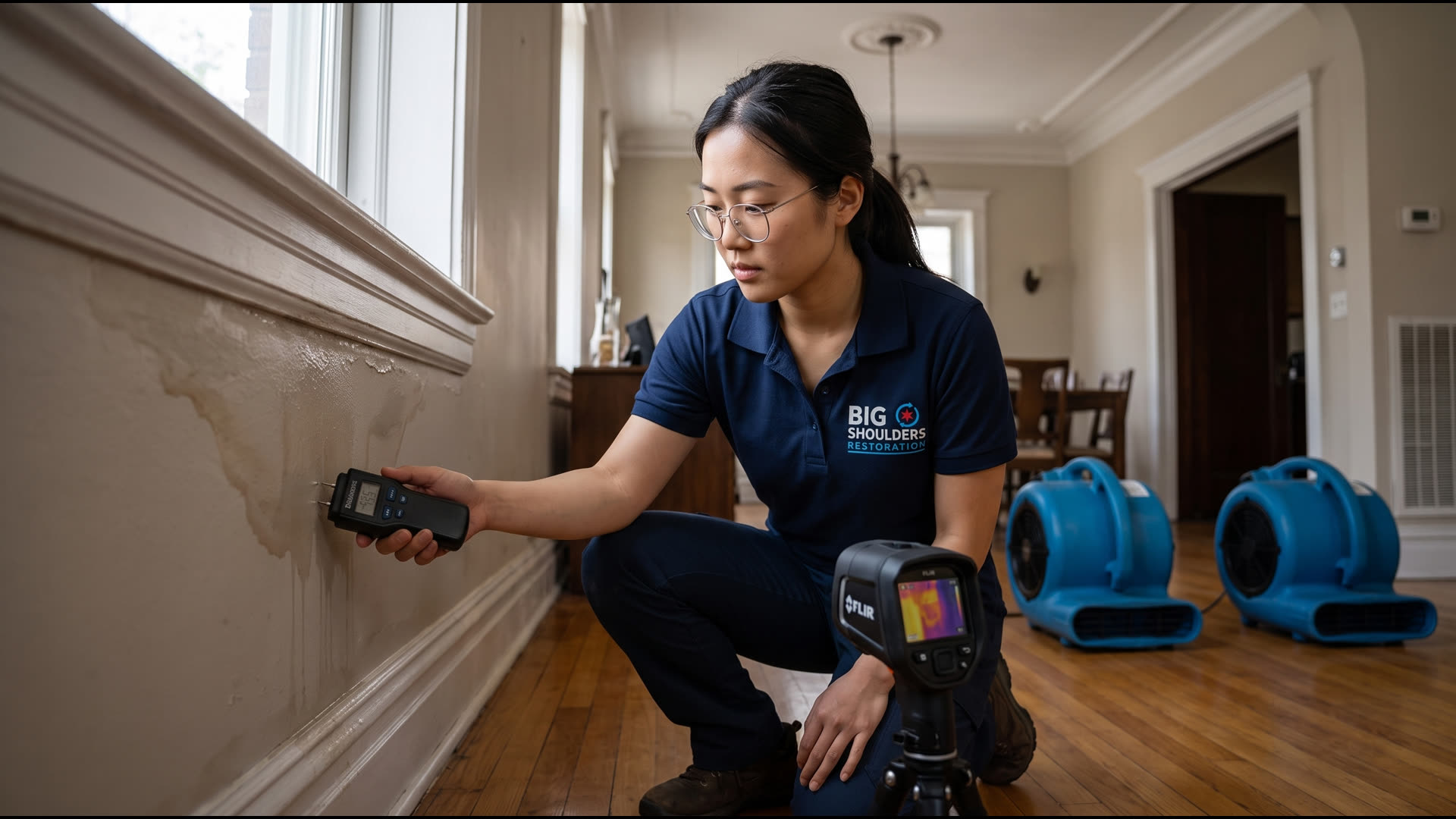
02On-site target is 30 minutes. We map intrusion and photograph what the adjuster will need.
 03
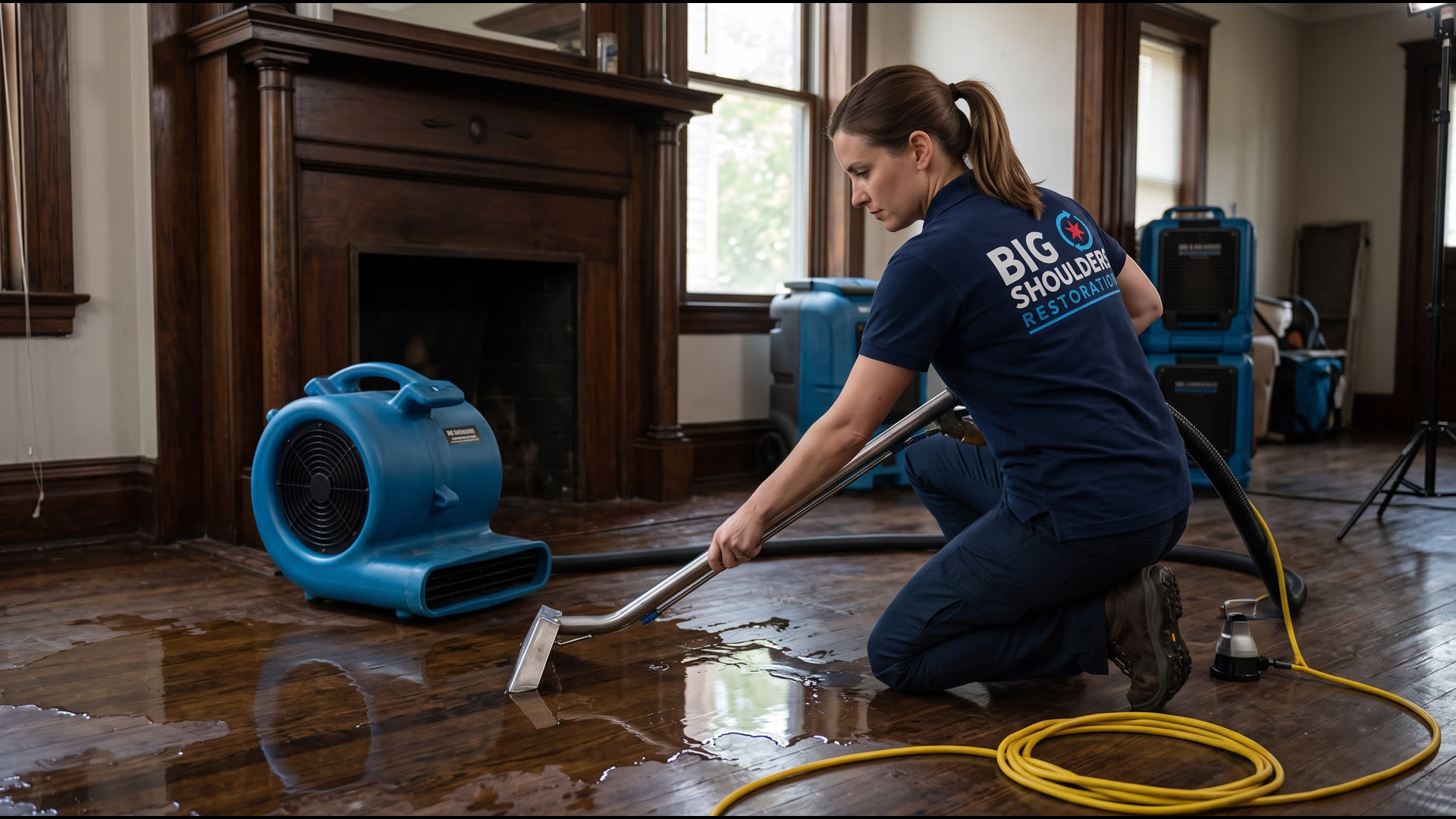
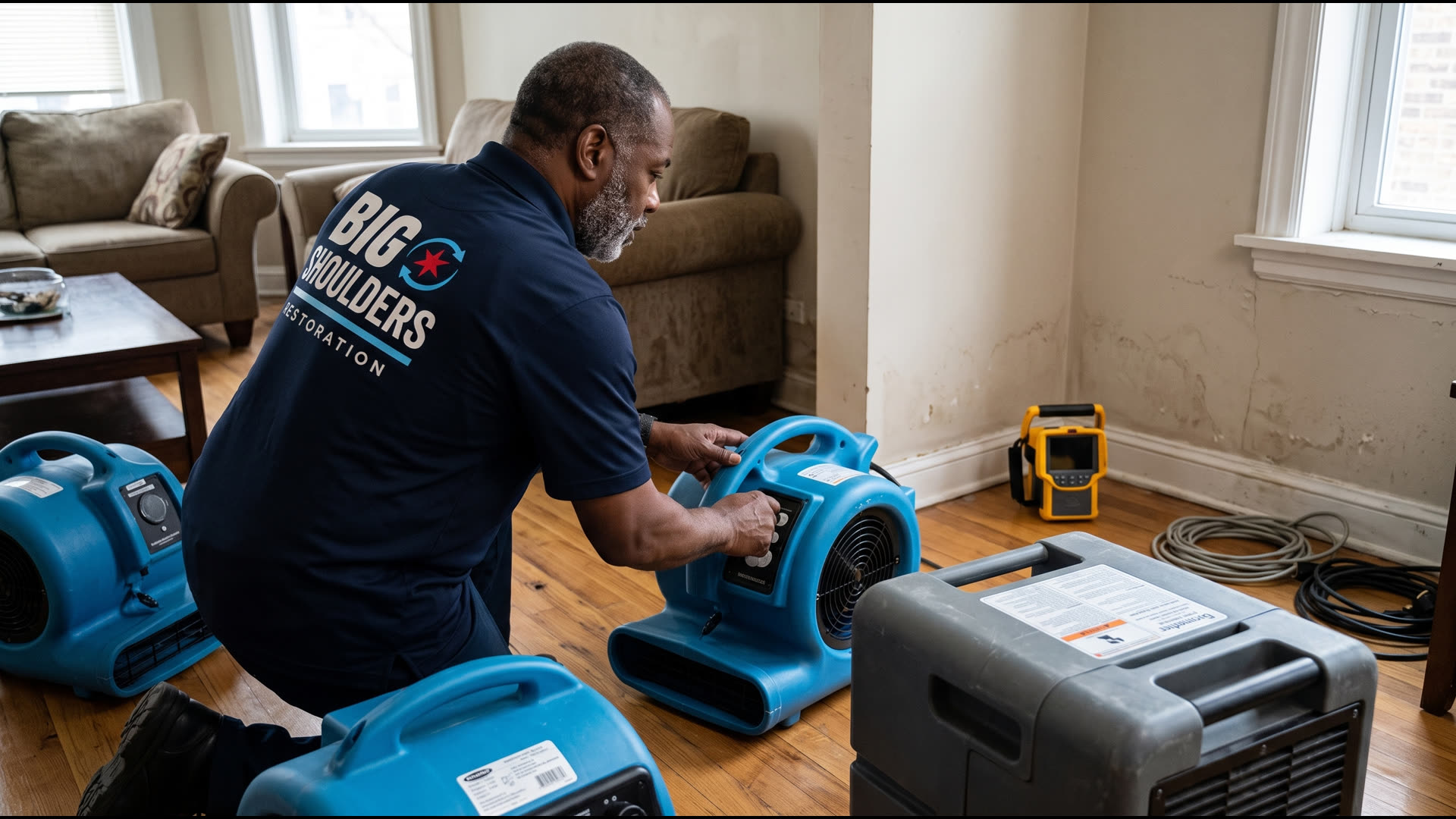
03Standing water out. Air movers and dehumidifiers in. Stop the damage from progressing.
 04
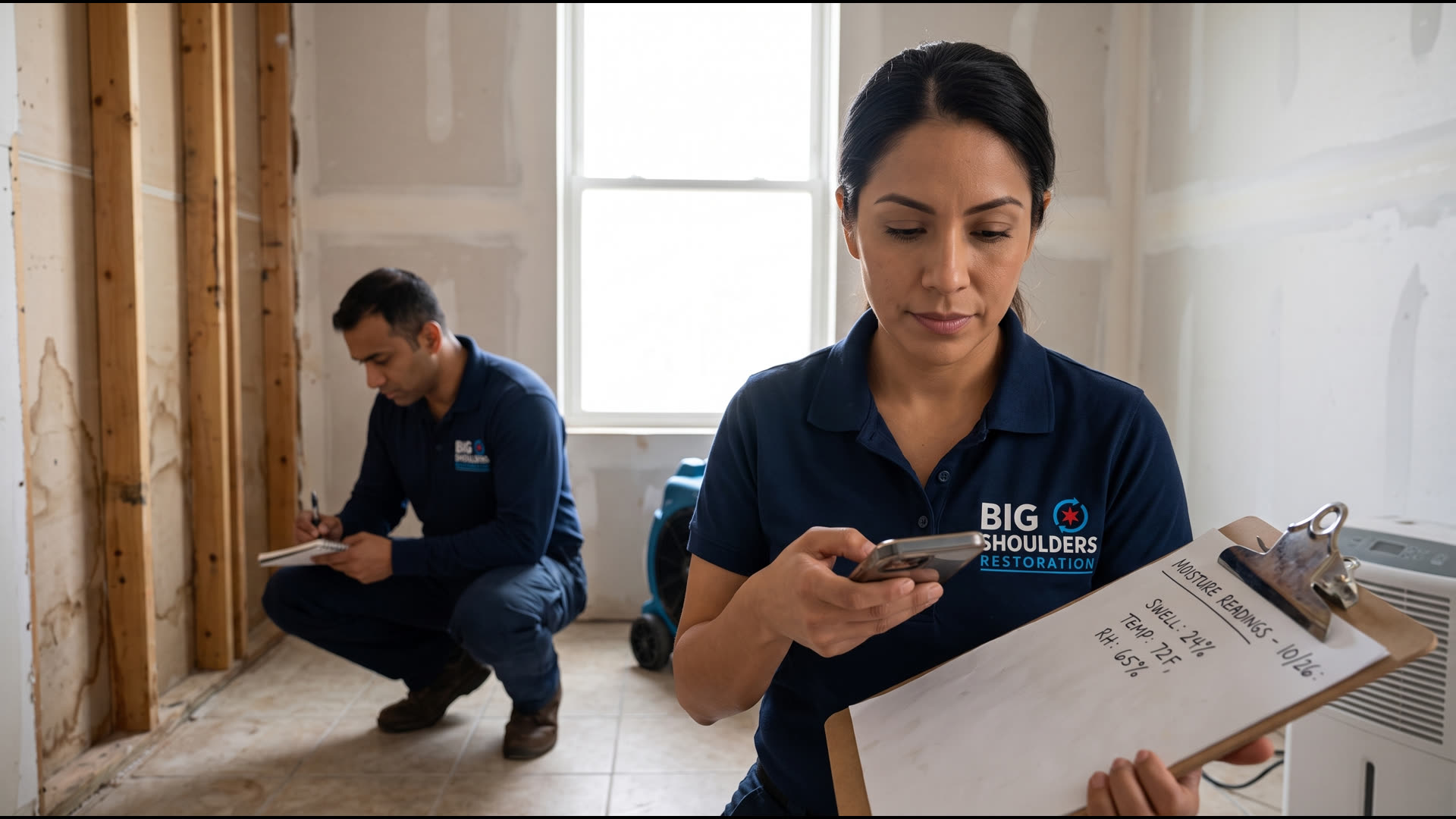
04Readings over the following days. Surfaces cleaned once drying goals are met.
 05
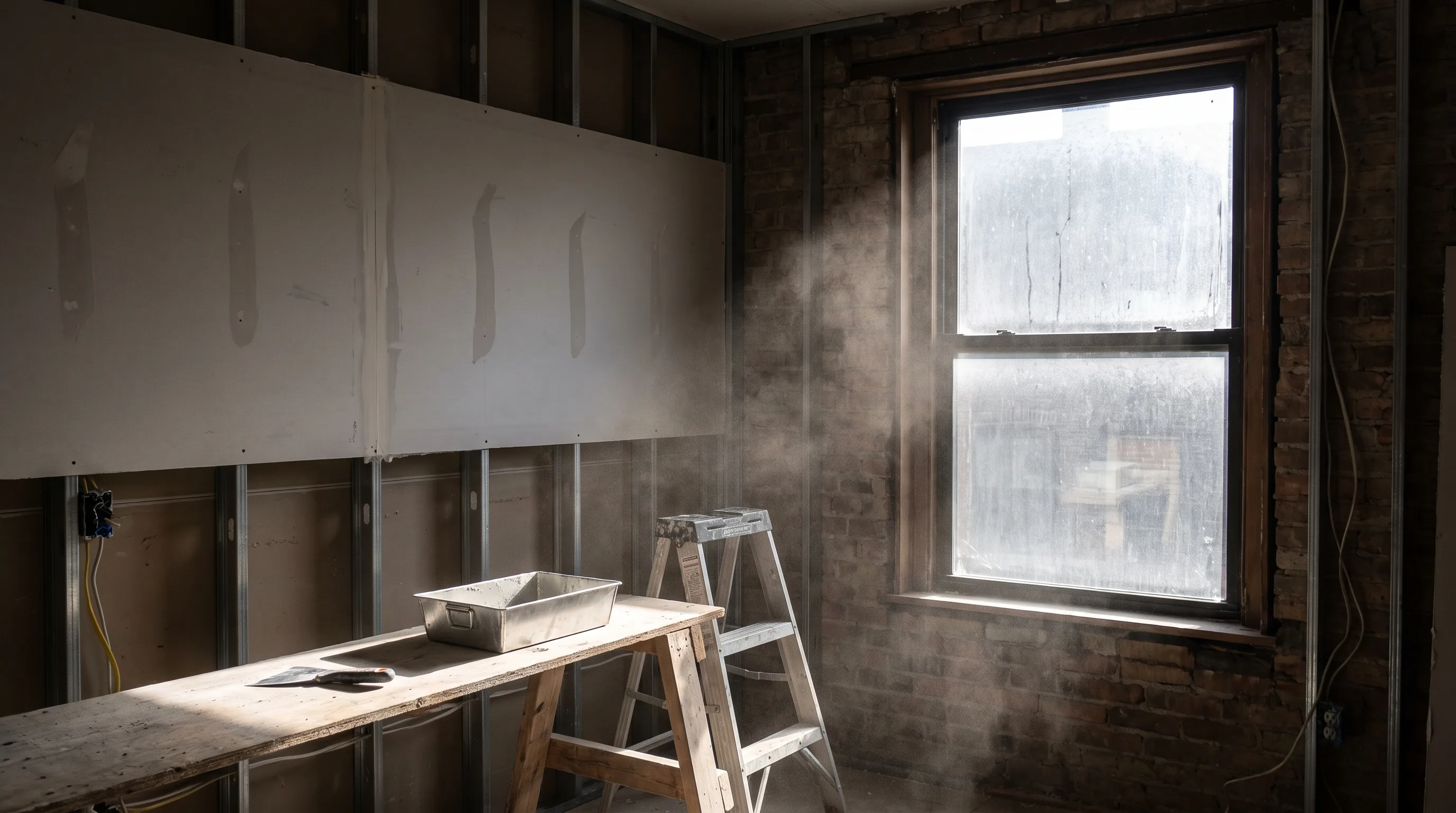
05In-house rebuild so you are not hunting a second contractor after the storm.
Field view
Combined sewers and failed sumps. Category-aware cleanup, then a verified dry-out.
We dry the interior and write the file. Your roofer handles the hole. We do not pretend we are both.
Timeline
Stabilize the same night. Drying 3–5 days. Rebuild follows whatever the storm took out of the assembly.
What drives cost
Volume, contamination, and how many rooms took water. Storm days are not a reason to skip a written scope.
Insurance
Wind and rain from above are typically covered. Groundwater and sewer often need riders. We document the source so the claim is honest.
Questions
Wind and rain from above are typically covered. Flooding from outside sources often needs separate flood insurance. We document thoroughly either way.
We target 30 minutes, 24/7. Storm days stack calls; we still prioritize and dispatch as fast as crews allow.
Often multiple entry points, larger areas, and contamination questions. The assessment accounts for that from the start.
Yes. Photos, written scope, and direct communication with the adjuster so the claim reflects the full repair.
Request assessment
A real technician from this shop answers. Not a bot. Not an outsourced call center. Name, phone, ZIP, and what happened. If it cannot wait, call the 24/7 line.
(773) 900-8407Request a callback
A real technician from this shop answers. Not a bot. Not an outsourced call center.