
01
Water extraction
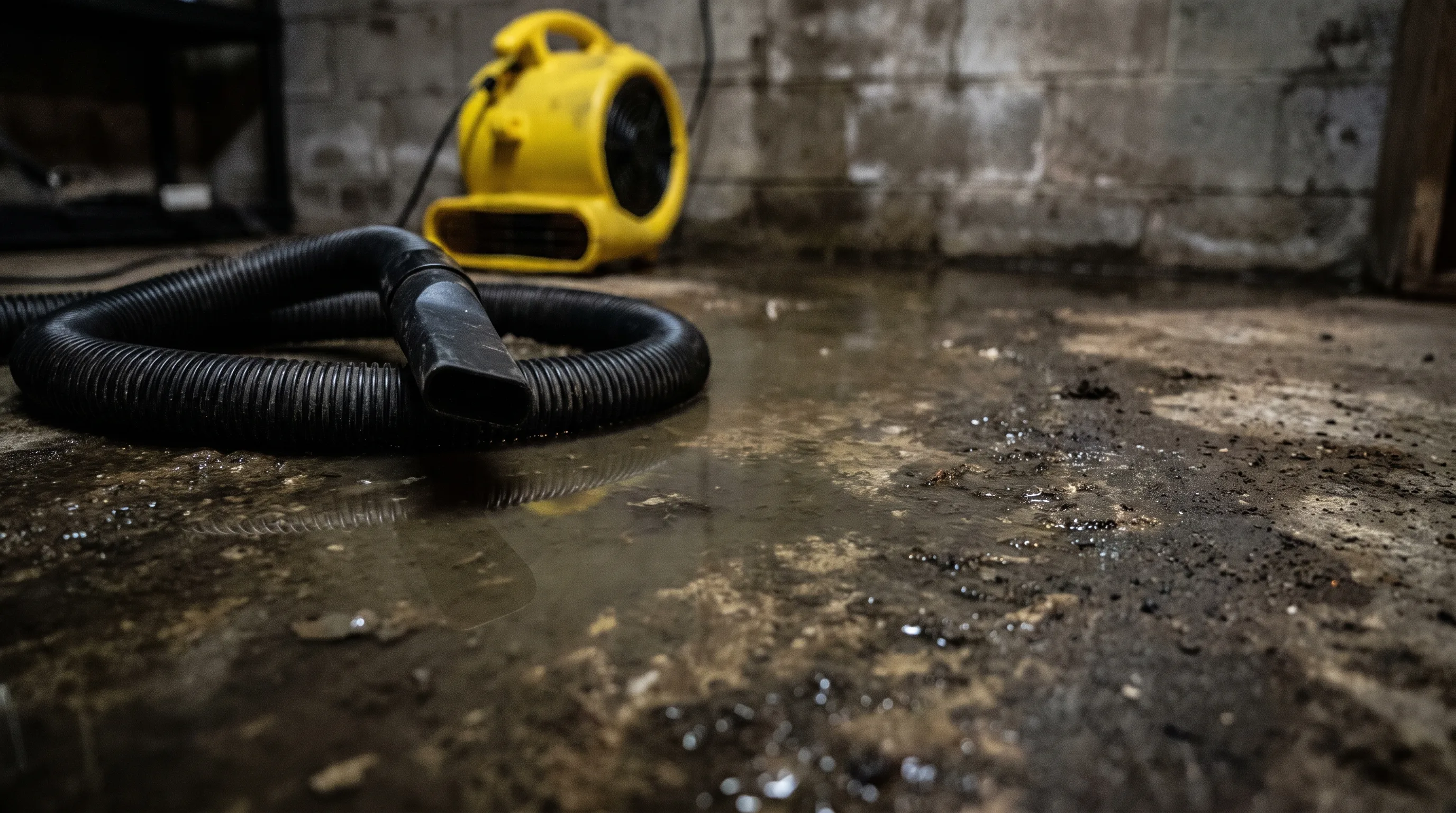
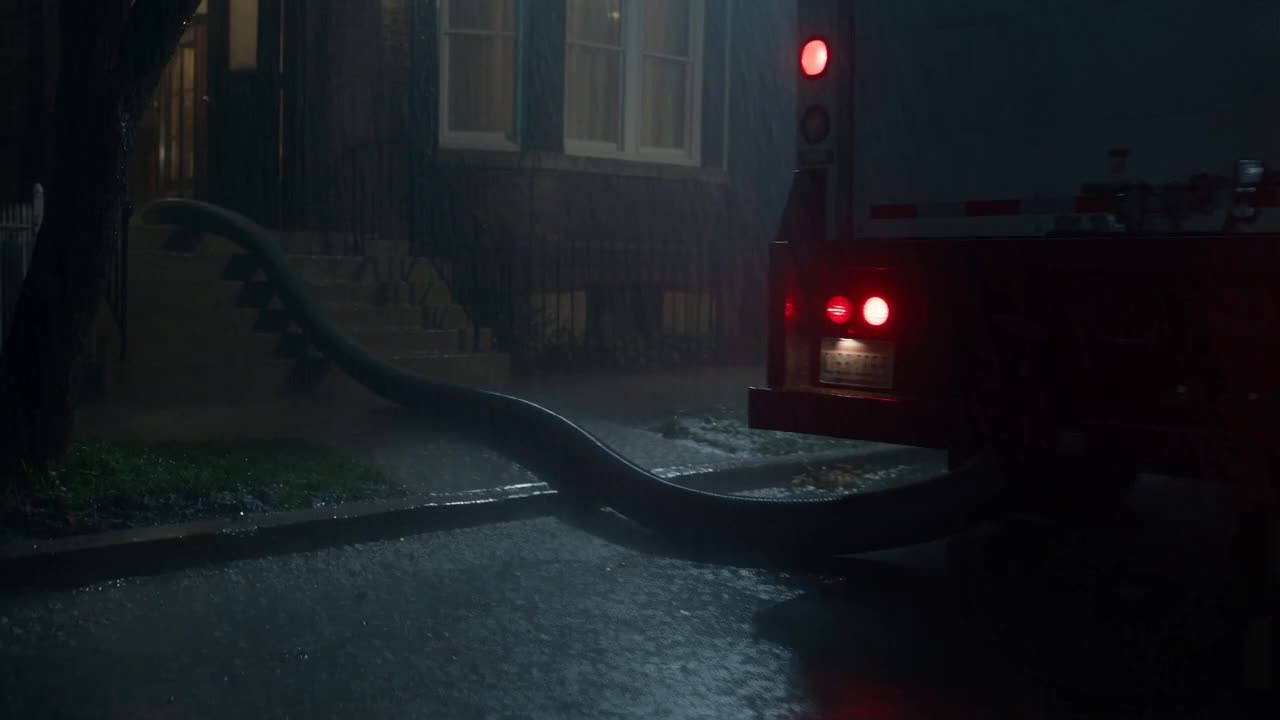
Industrial pumps and truck-mounted extractors — not a homeowner wet-vac.
Basement flood · Chicago
Extraction is the first hour. Readings are the rest of the week.
24/7 · a person answers
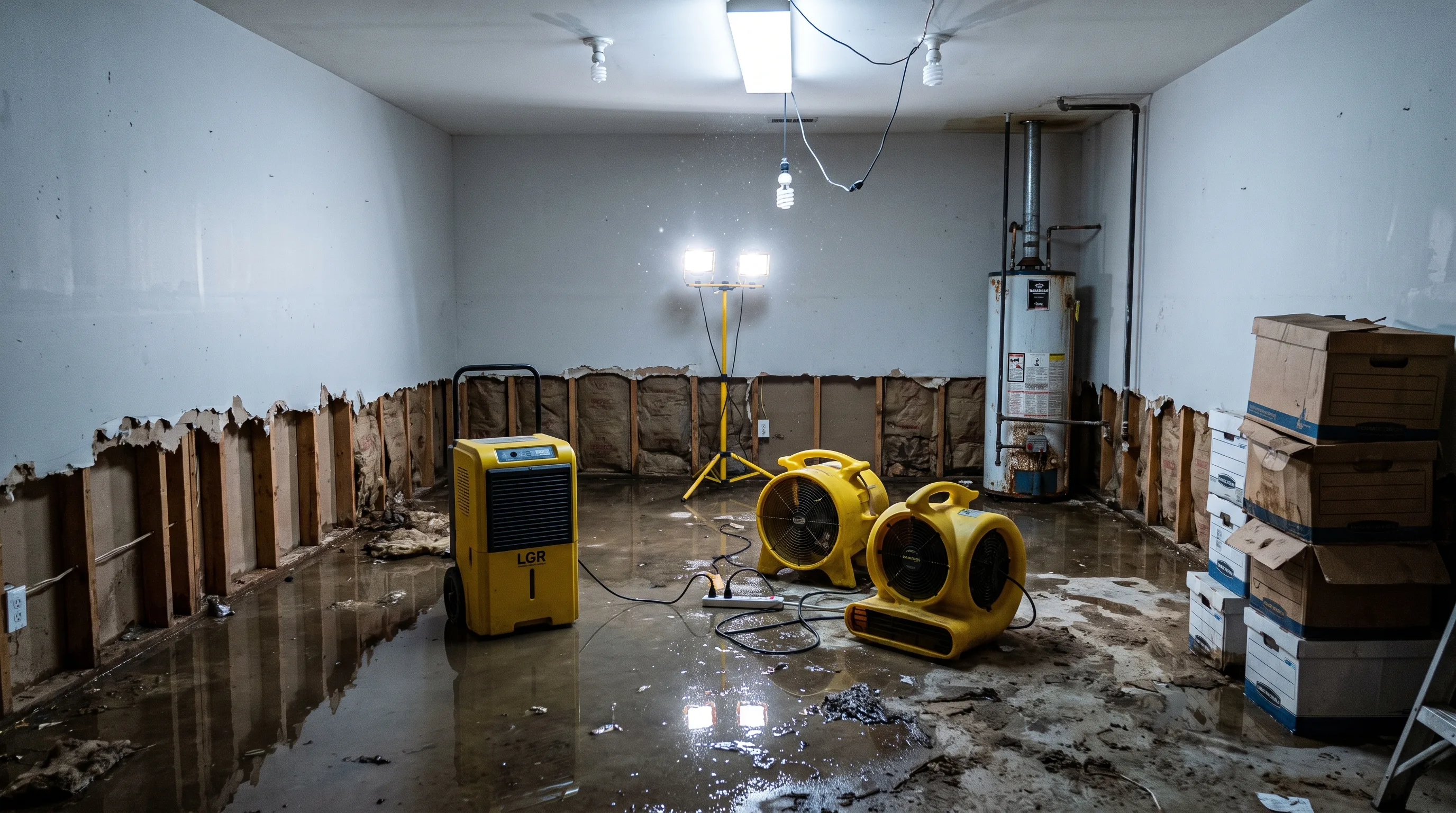
An inch of water in a Chicago basement is not a mop job. It wicks into drywall, saturates concrete, and can start mold in 24–48 hours. Sump failures, sewer backups, and foundation intrusion are regular North Side calls. We pump it out, protect contents, dry to readings, and sanitize when the water is contaminated.
Same day
Extraction
3–5 days
Typical dry
Cat 1–3
We say which

Request a callback
A real technician from this shop answers. Not a bot. Not an outsourced call center.
North Center bungalow
The basement did not ask permission.
Your house
The sump quit. You came downstairs to a sheen on the rec-room floor and that earthy smell that means the water already found the carpet pad. Finished basement. Kids’ stuff. The box of photos you meant to scan. Advice to “wet-vac it and run a dehumidifier” is how Chicago pad stays wet.
Why this shop
01
Category 2 water in a finished basement is a clock. We pull the water and the pad — not a fan pointed at the wrong wall.
02
Walls and toe-kicks wicked while you were still on the stairs. Meters tell us what can be saved.
03
A drying plan, readings, and a file — not a guess after a weekend with a box-store unit.
When to call
Do not wait to see if it dries on its own. These are the usual reasons Chicago homeowners pick up the phone.
Until we arrive
Shut off the water source if you can find the main.
Stay out of standing water until power to that area is off.
Photograph rooms, contents, and the source before you move anything.
Do not run HVAC through a wet cavity.
Do not throw out damaged items until we document them.
Below grade
Industrial pumps and truck-mounted extractors — not a homeowner wet-vac.
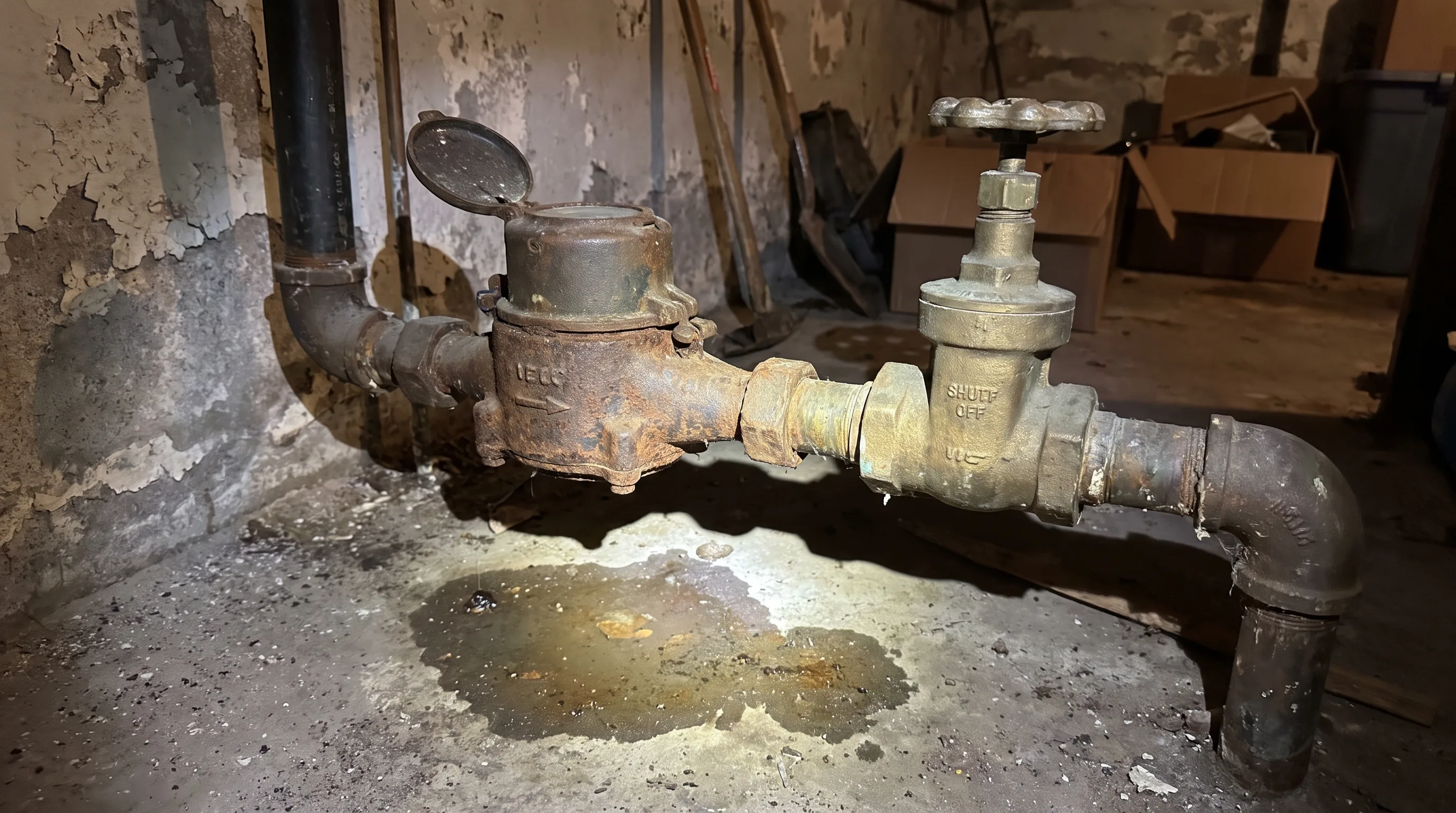
Salvage what we can. Photograph what we cannot. The inventory is part of the claim.
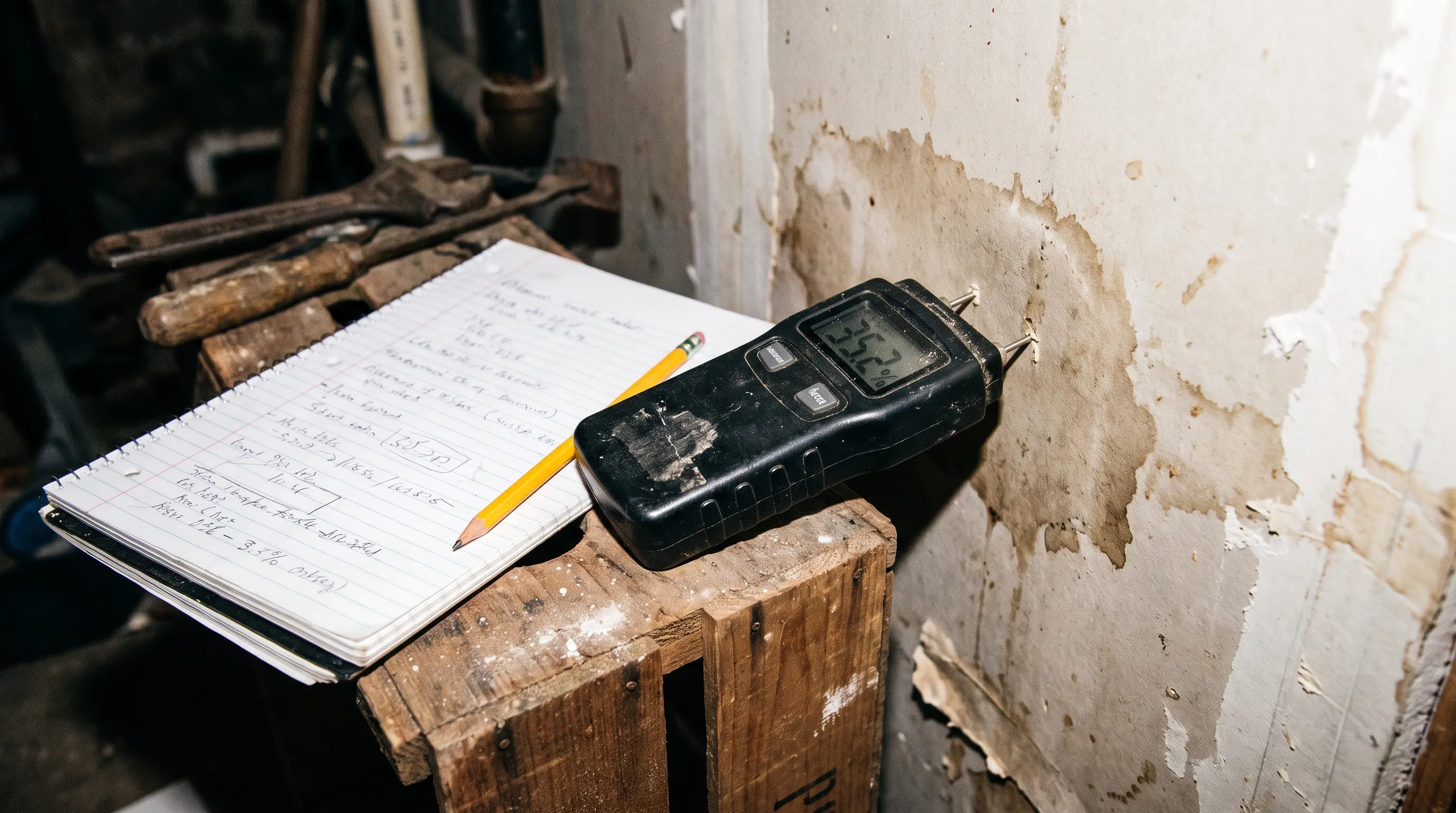
Concrete, drywall, and framing get commercial dehumidification with daily readings.
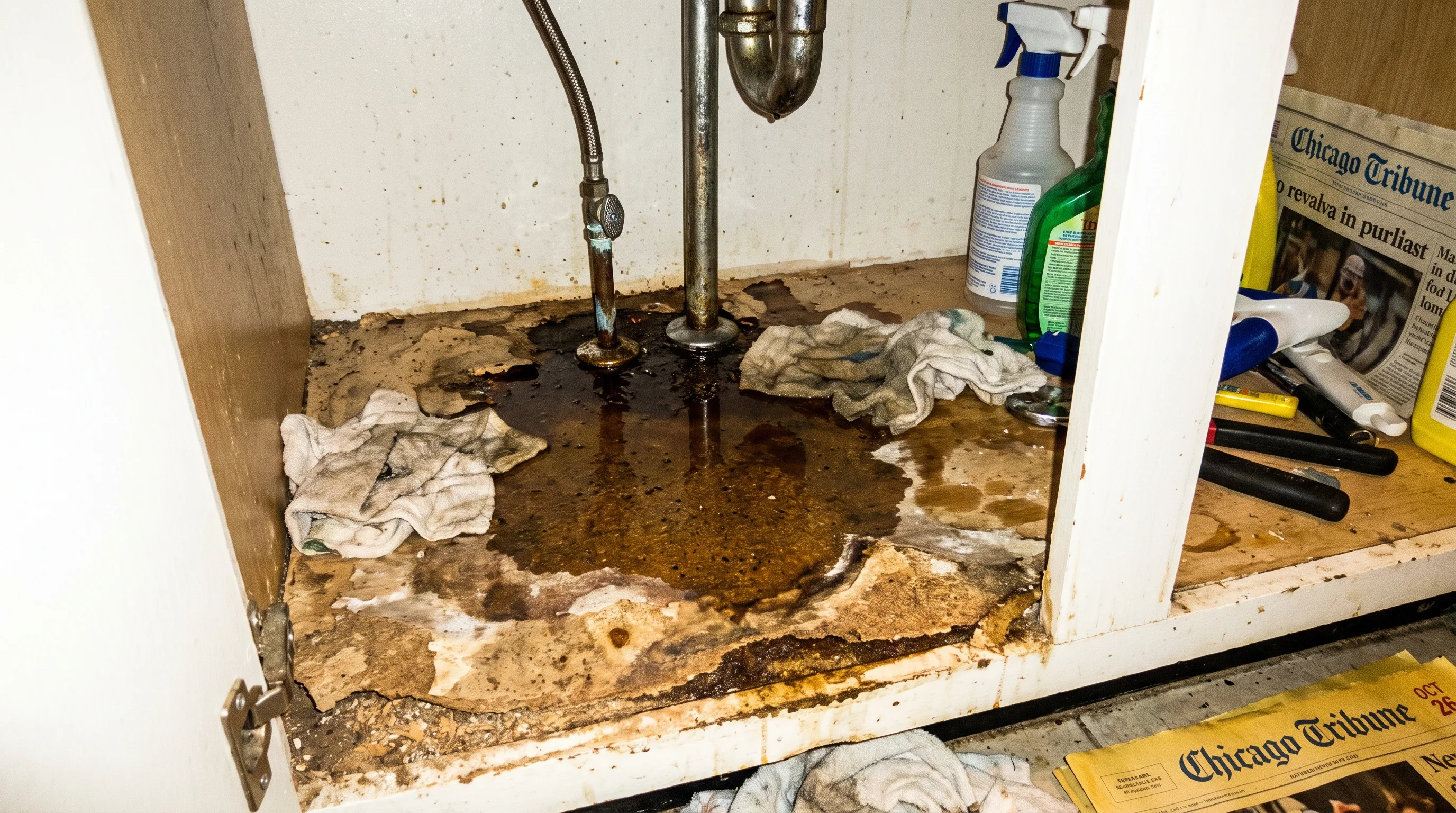
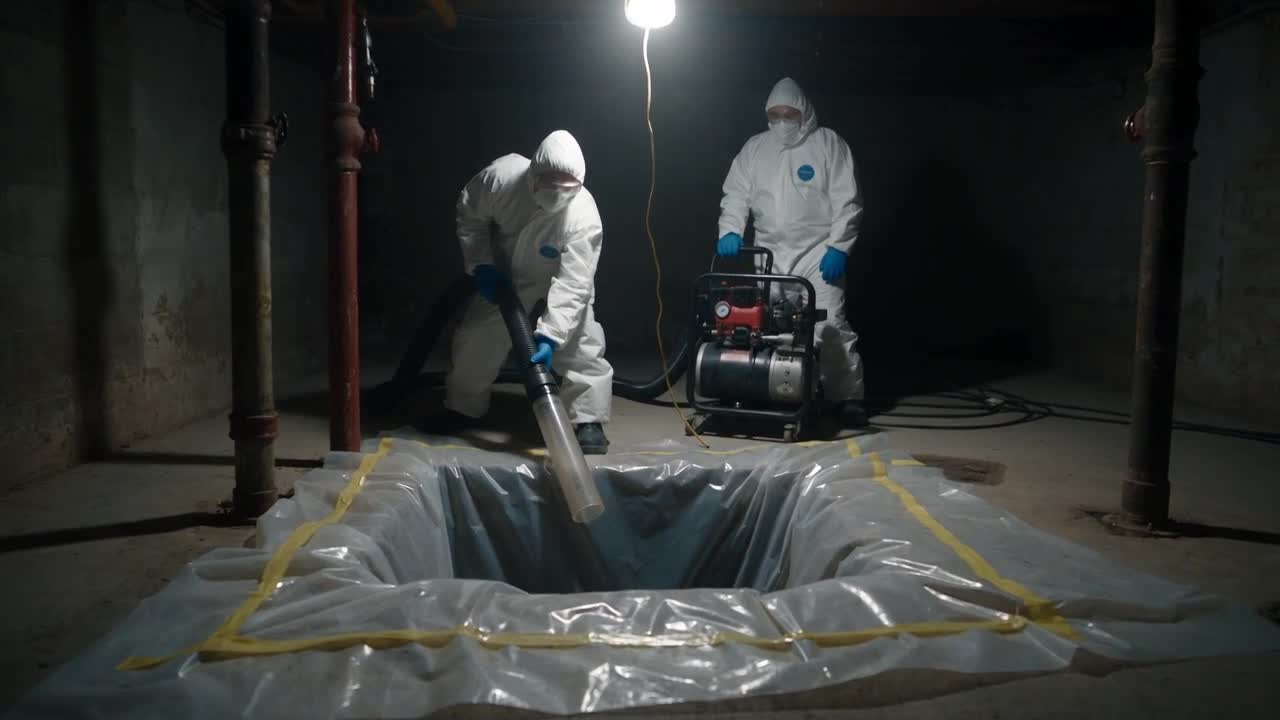
Sewer and dirty water are treated as Category 3 — PPE, containment, disposal.
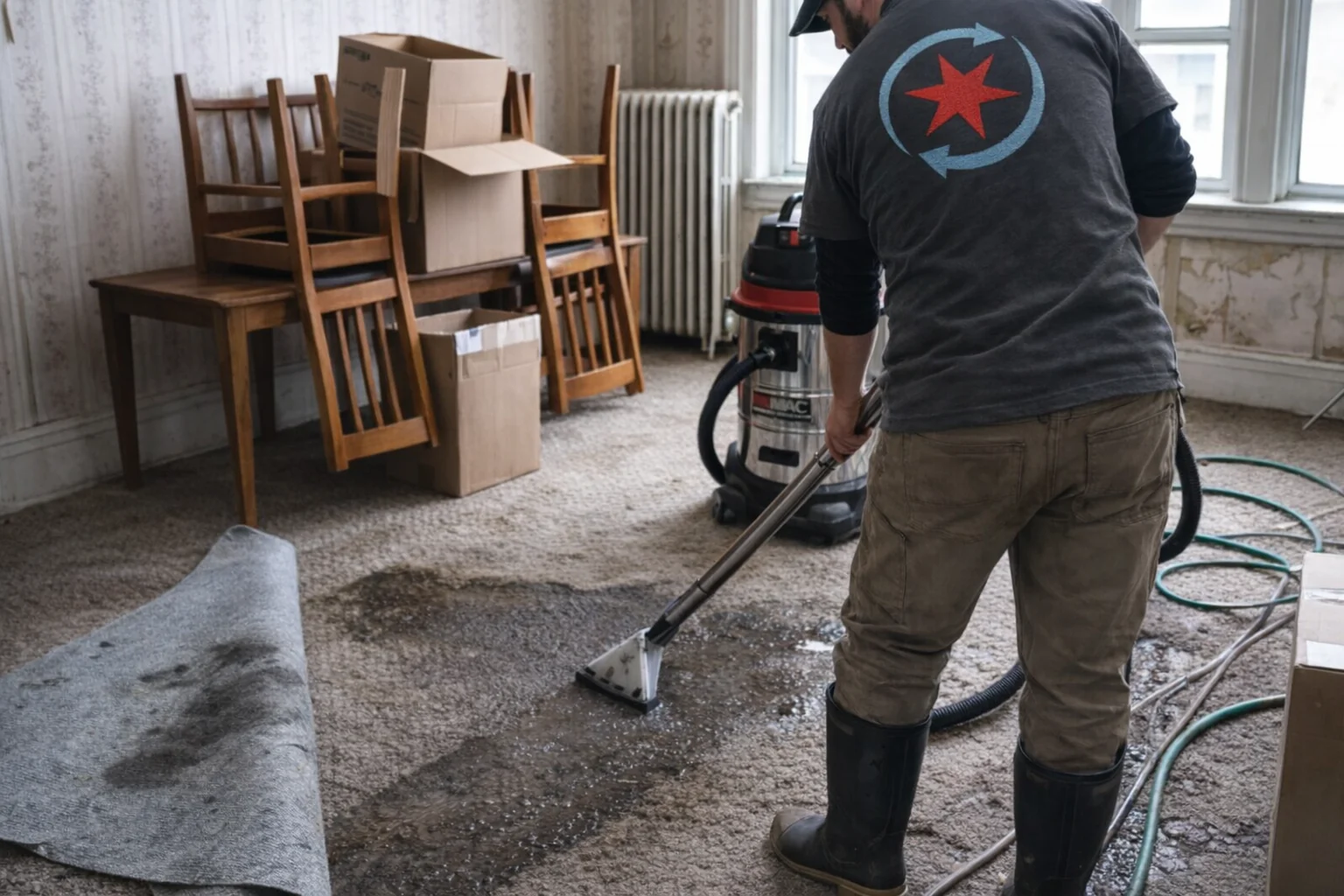
Carpet, pad, tile, and stored finishes assessed honestly: dry in place or replace.
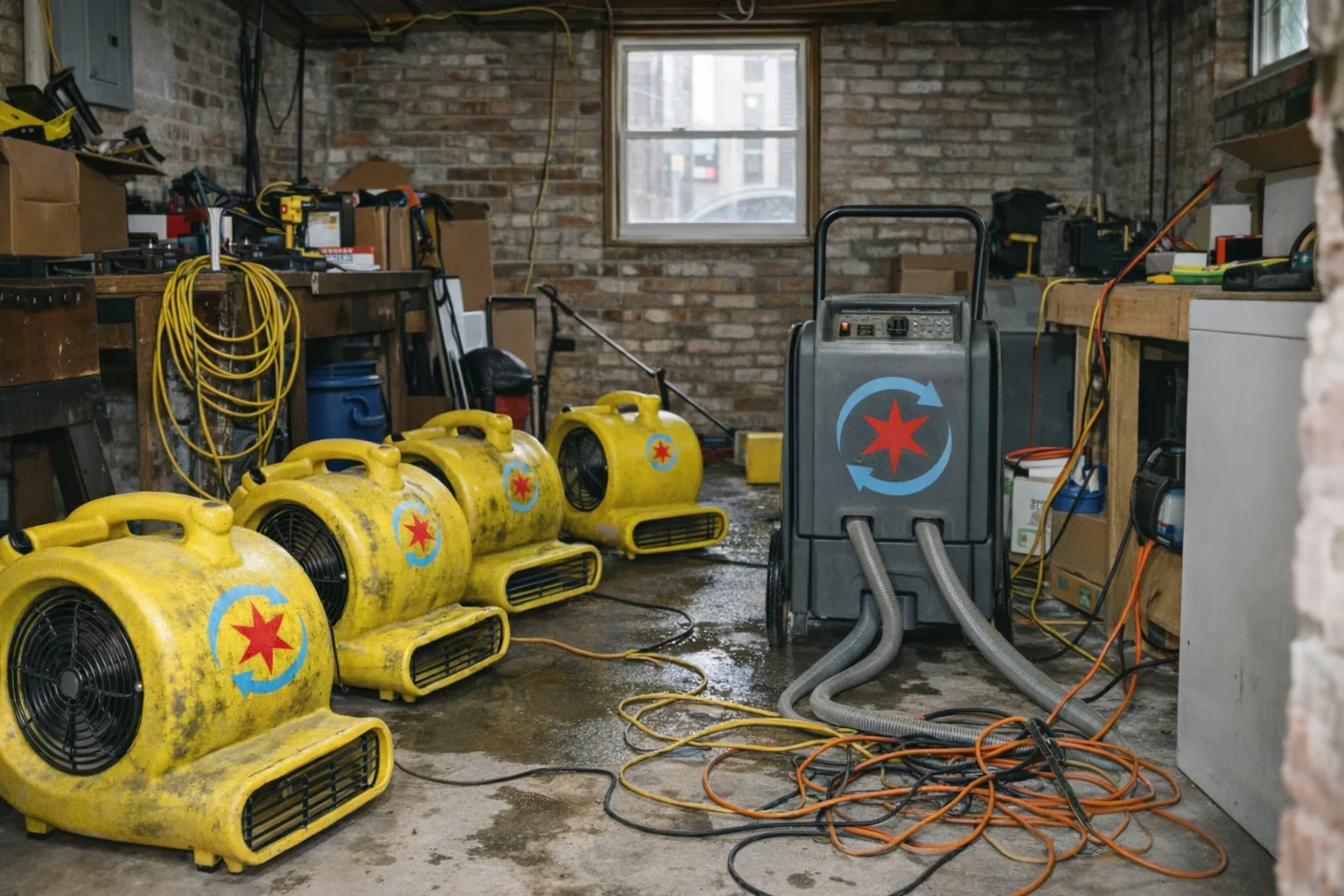
Verified dry-out is the prevention. If growth already started, remediation stays in-house.
Below grade
Water wicks up drywall. Pad and baseboard are done in hours. Chicago clay, combined sewers, and tired sumps make this a weekly call — not a freak event.
If it is sewage, it is Category 3. If it is a clean supply, we still dry to readings. Guessing the category wrong is how people get sick and how claims die.
Process
 01
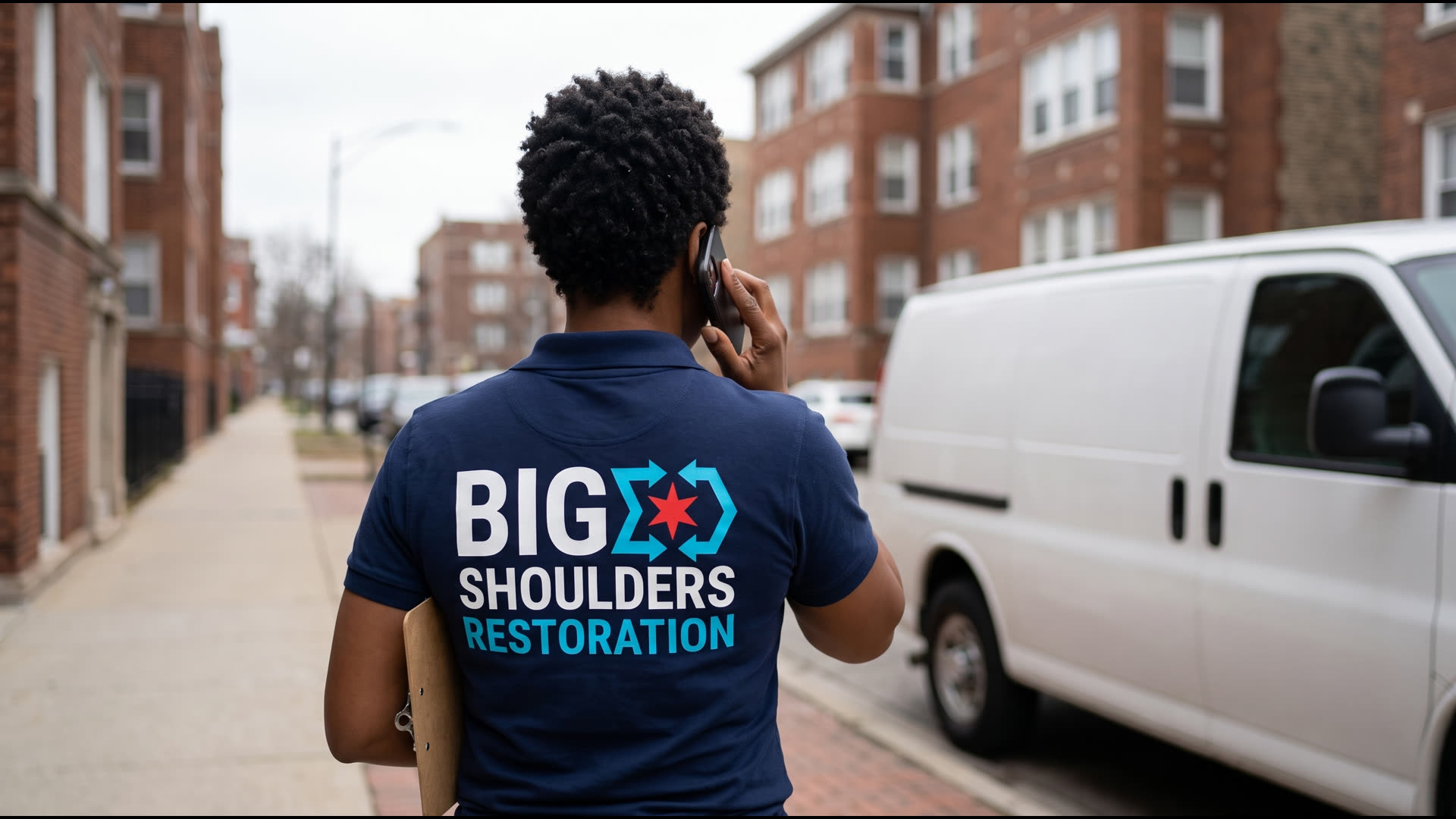
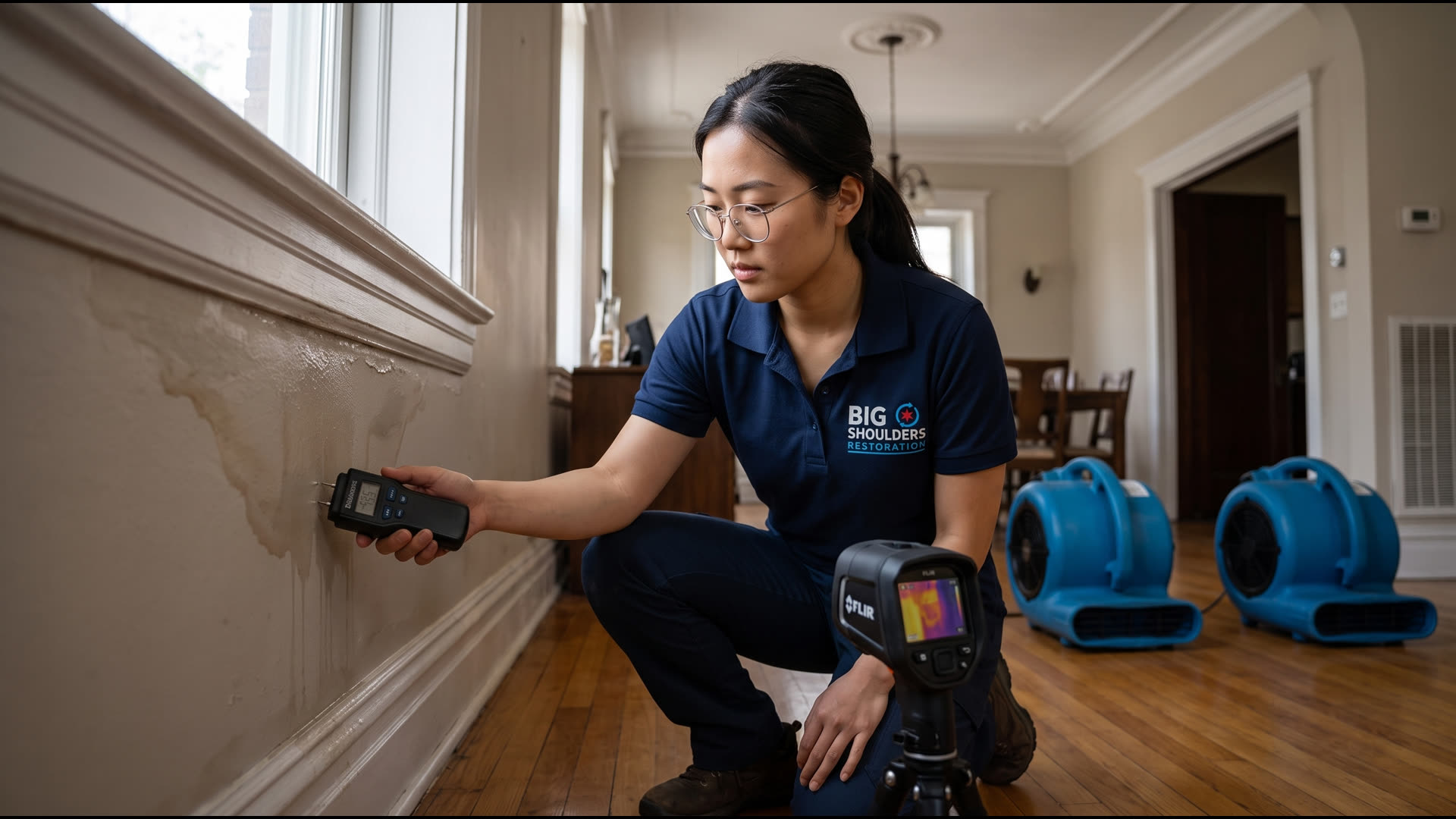
0124/7. Equipment rolls with the crew.
 02
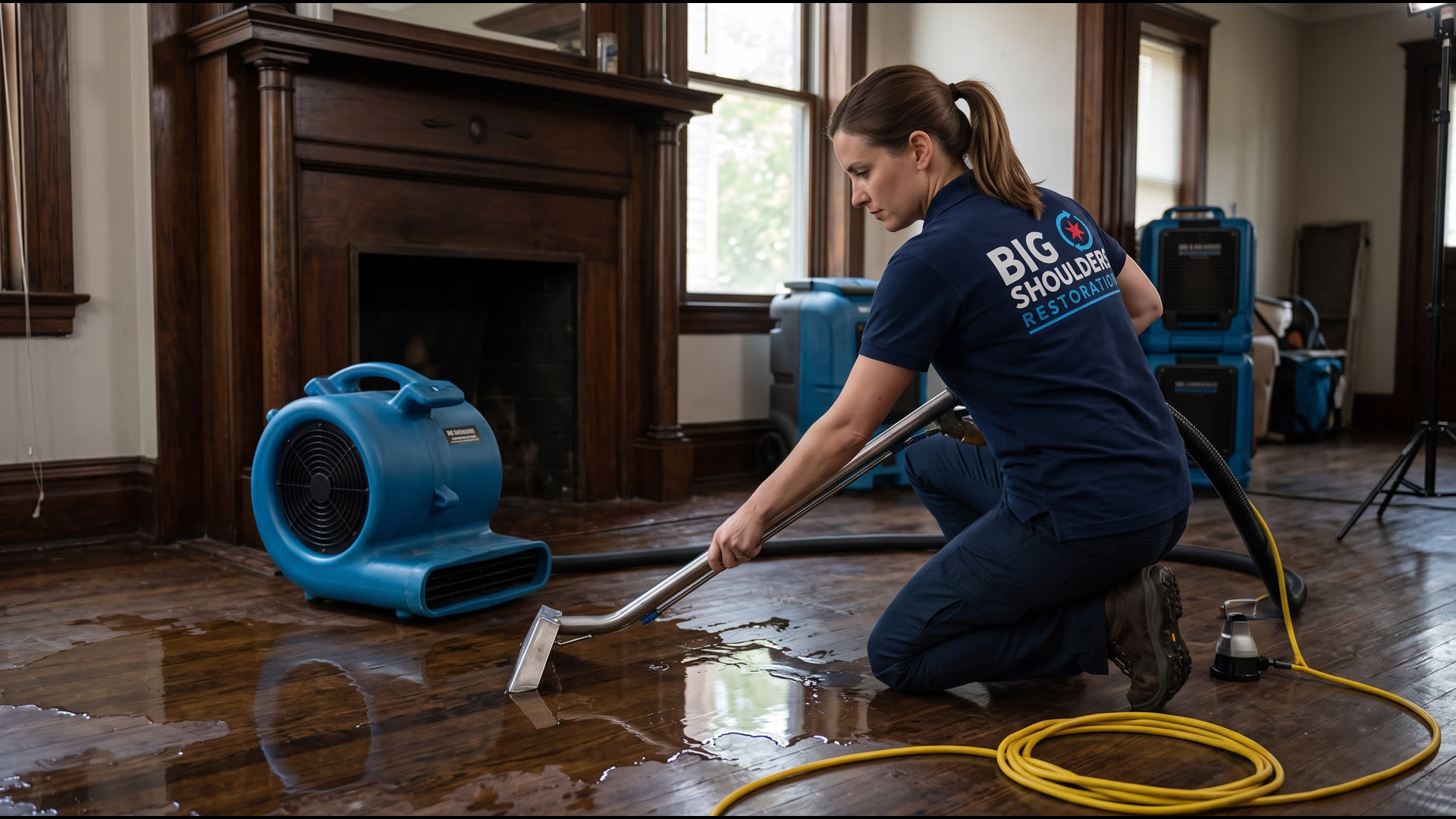
02Standing water out fast. Every hour wet is more material lost.
 03
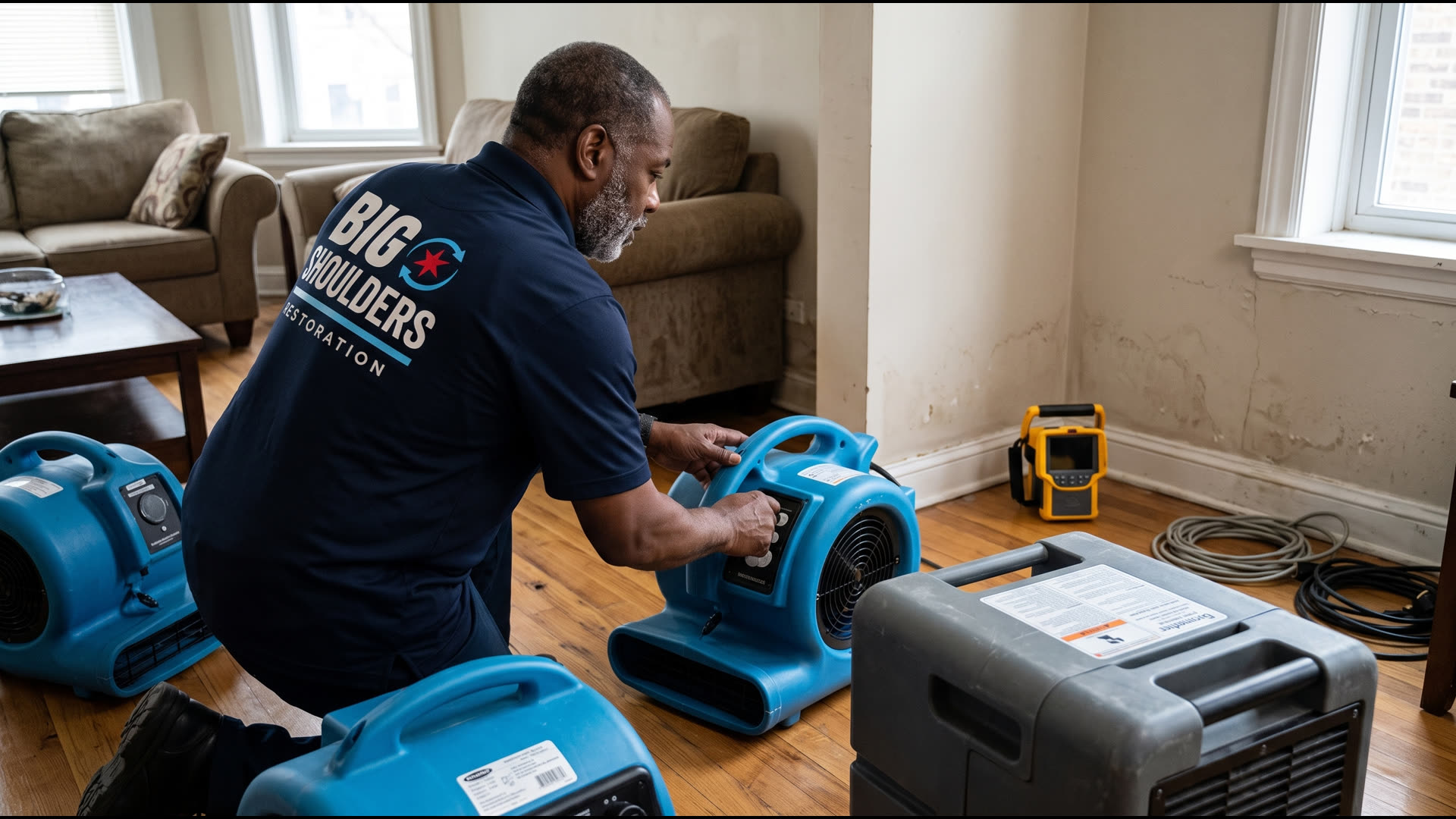
03What can be saved is moved and protected. Losses are documented.
 04
04Dehumidifiers and air movers placed to the moisture map, not a grid guess.
 05
05If it came from a sewer, we treat it like a sewer.
 06
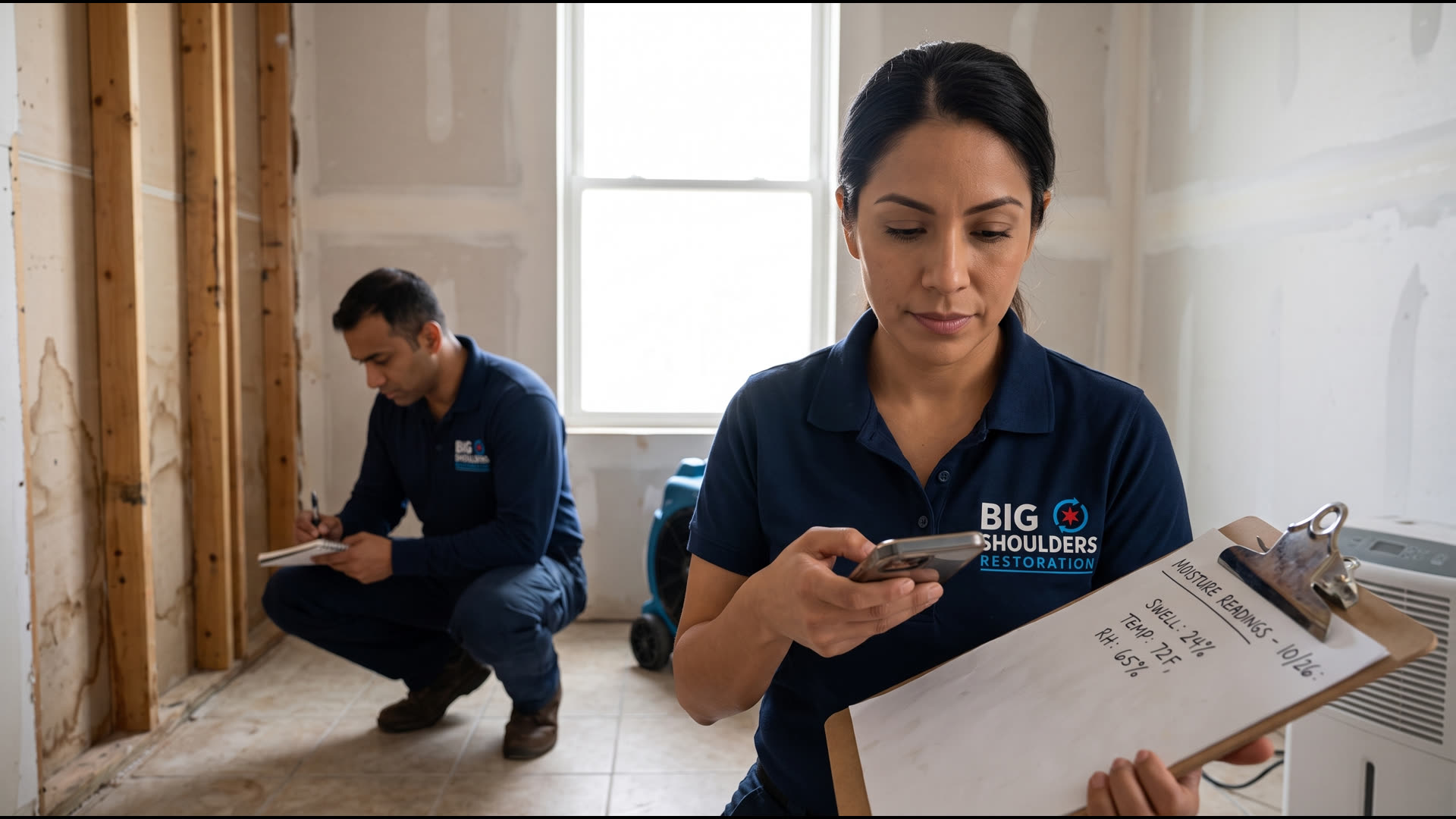
06Readings every day until baseline. Then repairs in-house.
Timeline
Extraction same day. Concrete drying typically 3–5 days. Rebuild 1–3 weeks depending on finishes.
What drives cost
Volume, contamination, and materials. Sump and sewer riders matter. We estimate in writing.
Insurance
Sump and sewer often need endorsements. Groundwater seepage is usually excluded. Burst pipes inside are usually covered. Check the policy; we document the source.
Questions
Yes if you care about the walls and what is behind them. Water wicks up drywall and can start mold in 24–48 hours.
Clay soils, combined sewers, and heavy rain. Sump failures, backups, and foundation cracks are the usual sources.
Often only with a rider. We document either way. Coverage is the carrier’s decision.
Related
Request assessment
A real technician from this shop answers. Not a bot. Not an outsourced call center. Name, phone, ZIP, and what happened. If it cannot wait, call the 24/7 line.
(773) 900-8407Request a callback
A real technician from this shop answers. Not a bot. Not an outsourced call center.