

01
After water damage and flooding
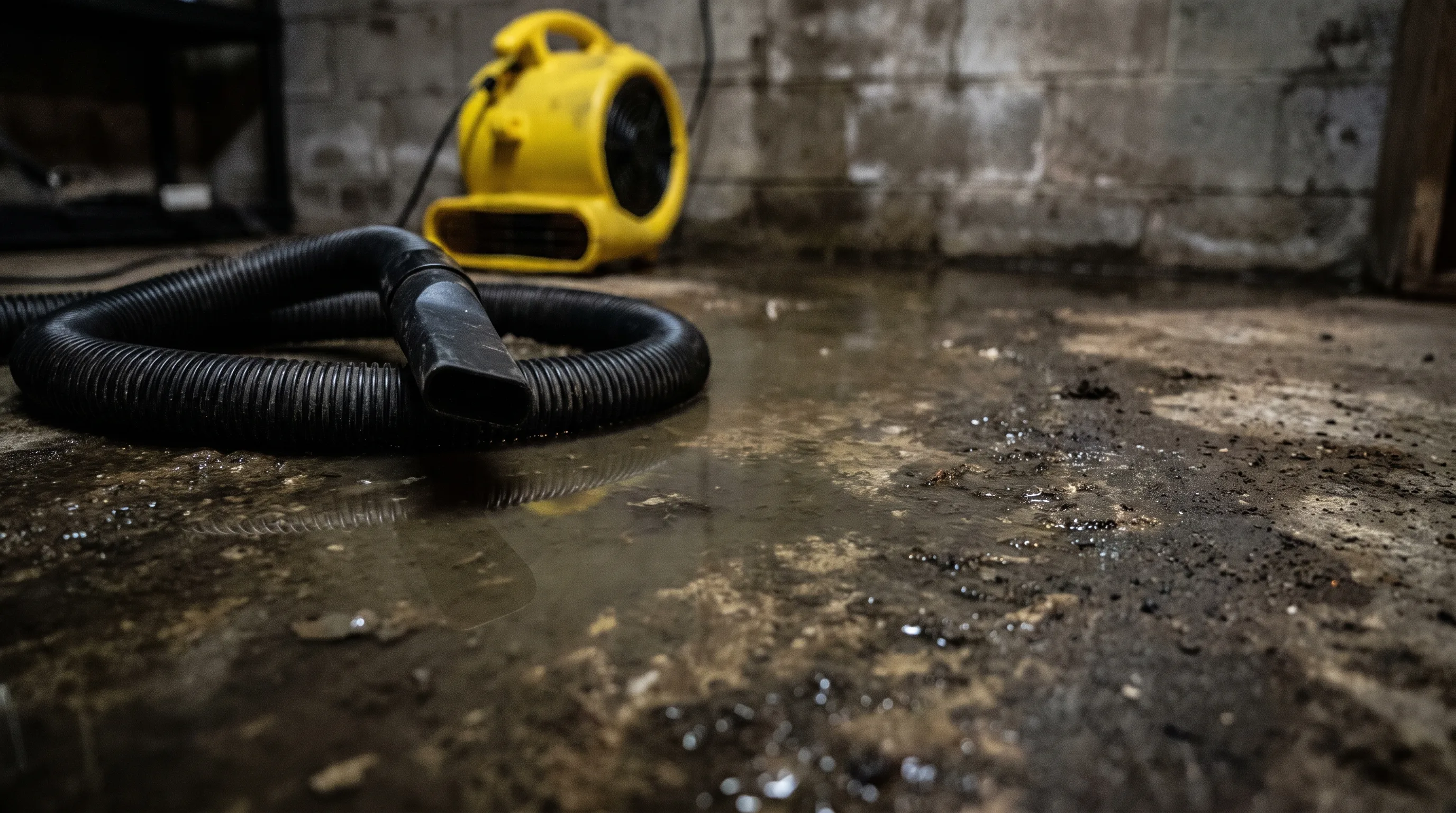
Any significant water event creates the conditions mold needs. We often find growth tied to a dry-out that never finished — surfaces looked fine, moisture was trapped in the cavity.
Mold remediation · Chicago
Containment before demo. Source control, not fog-and-hope.
You already cleaned it. It came back. Mold in a Chicago bungalow or two-flat is a moisture problem, not a stain. We contain, remove, and stop what grew it — source control, not fog-and-hope. We do not offer mold lab testing. If you need samples, we will point you to an independent lab.
Contain
Before demo
HEPA
Air scrubbers

Certified firm
Request a callback
A real technician from this shop answers. Not a bot. Not an outsourced call center.
Closet that still smells
You already cleaned it. It came back.
Your house
You painted. You ran a spray. Two months later the stain is back and the allergies got worse when the heat kicked on. Mold is not a stain. It is a moisture problem wearing a costume — and bleach, fog-and-hope, or a tester who also sells the tear-out will not fix it.
Why this shop
01
Spores move. We isolate the work so the HVAC and the next room are not the next problem.
02
Remove what the moisture map says. Kill the water that grew it. We do not run a mold lab, and we do not pretend fog is remediation.
03
The file includes the moisture work. Painting over a wet cavity is how this starts over.
Protocol
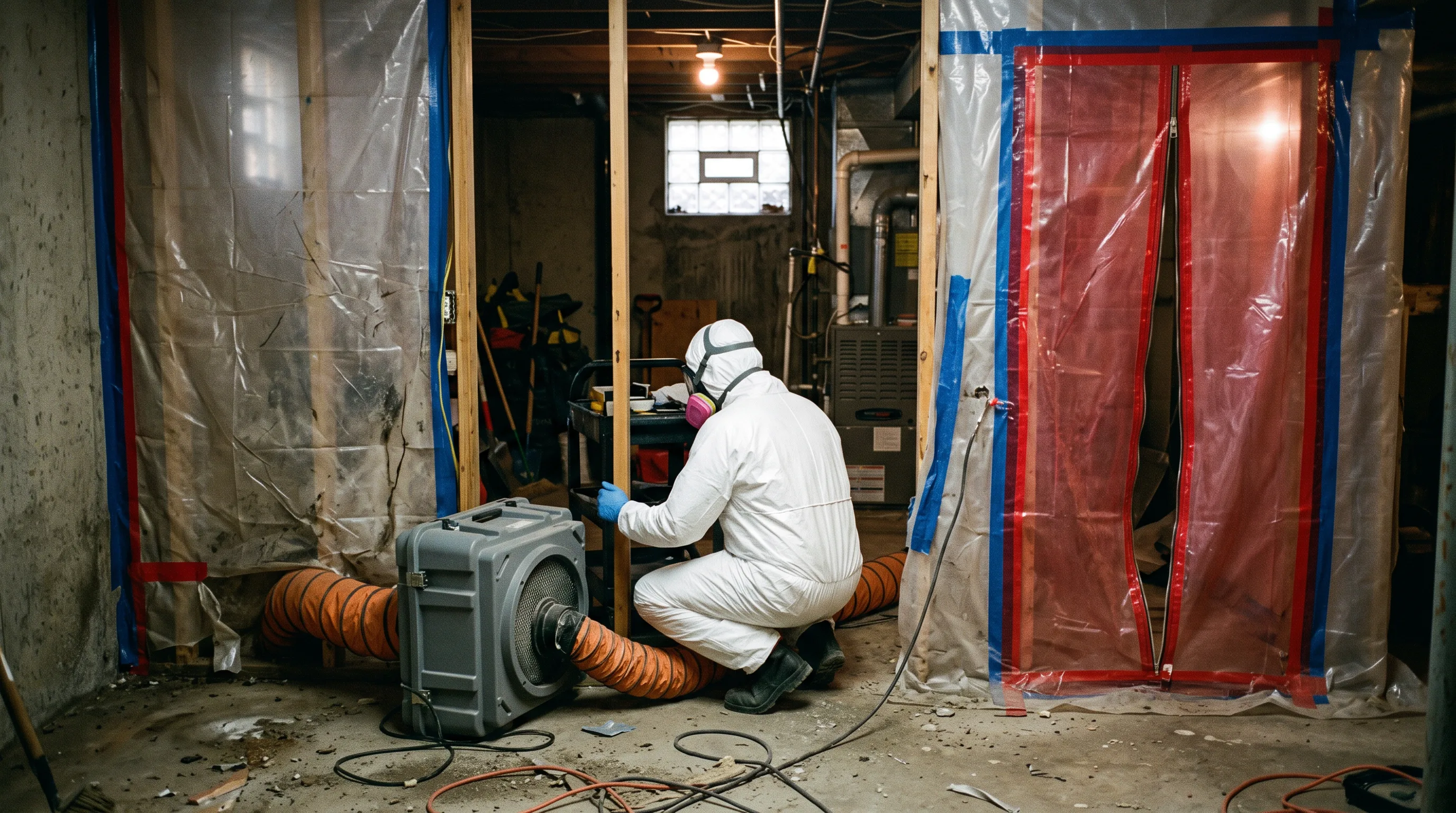
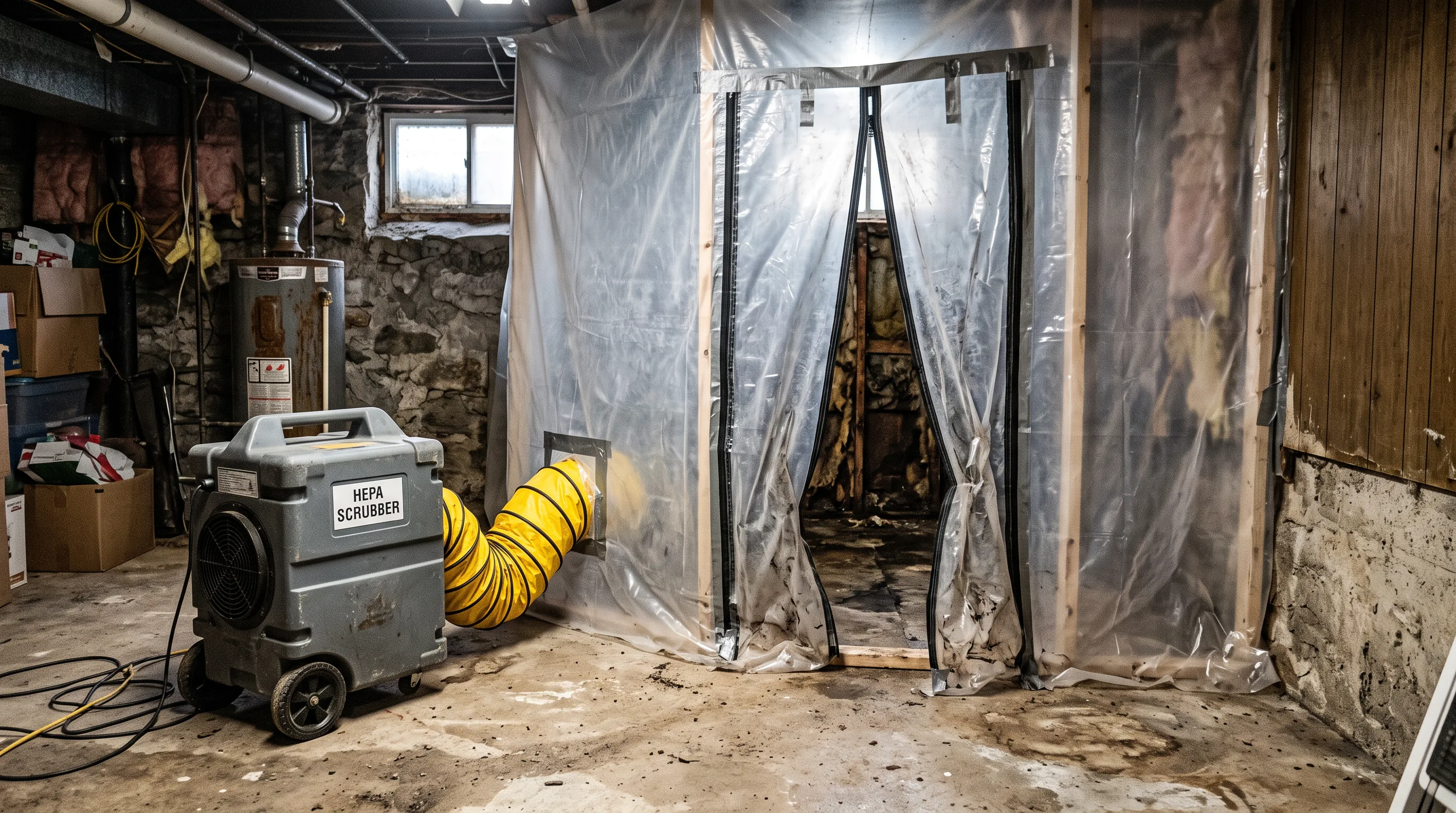
Spores move when you open a wall without a barrier. We isolate the work area, run HEPA, and remove or treat what the moisture map says — source control, not fog-and-hope. We do not run mold lab testing.
When to call
If the smell comes back or the stain grows, it is not a cleaning-product problem.
Where mold shows up
Any significant water event creates the conditions mold needs. We often find growth tied to a dry-out that never finished — surfaces looked fine, moisture was trapped in the cavity.
Poor ventilation lets steam sit. Grout, caulk, ceiling drywall, and exhaust-fan bays are common hideouts until the smell or the stain is obvious.
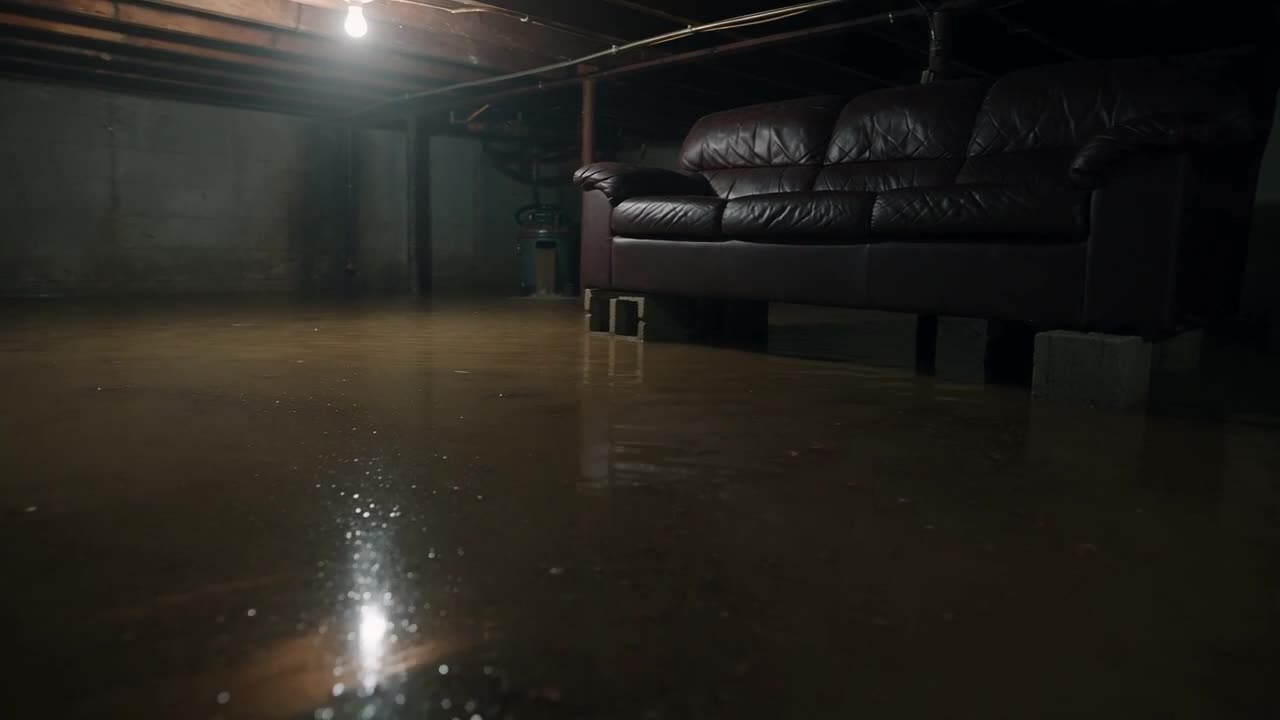
Chicago basements and crawl spaces collect moisture. We remediate confined spaces with proper PPE, containment, and encapsulation when it is warranted.
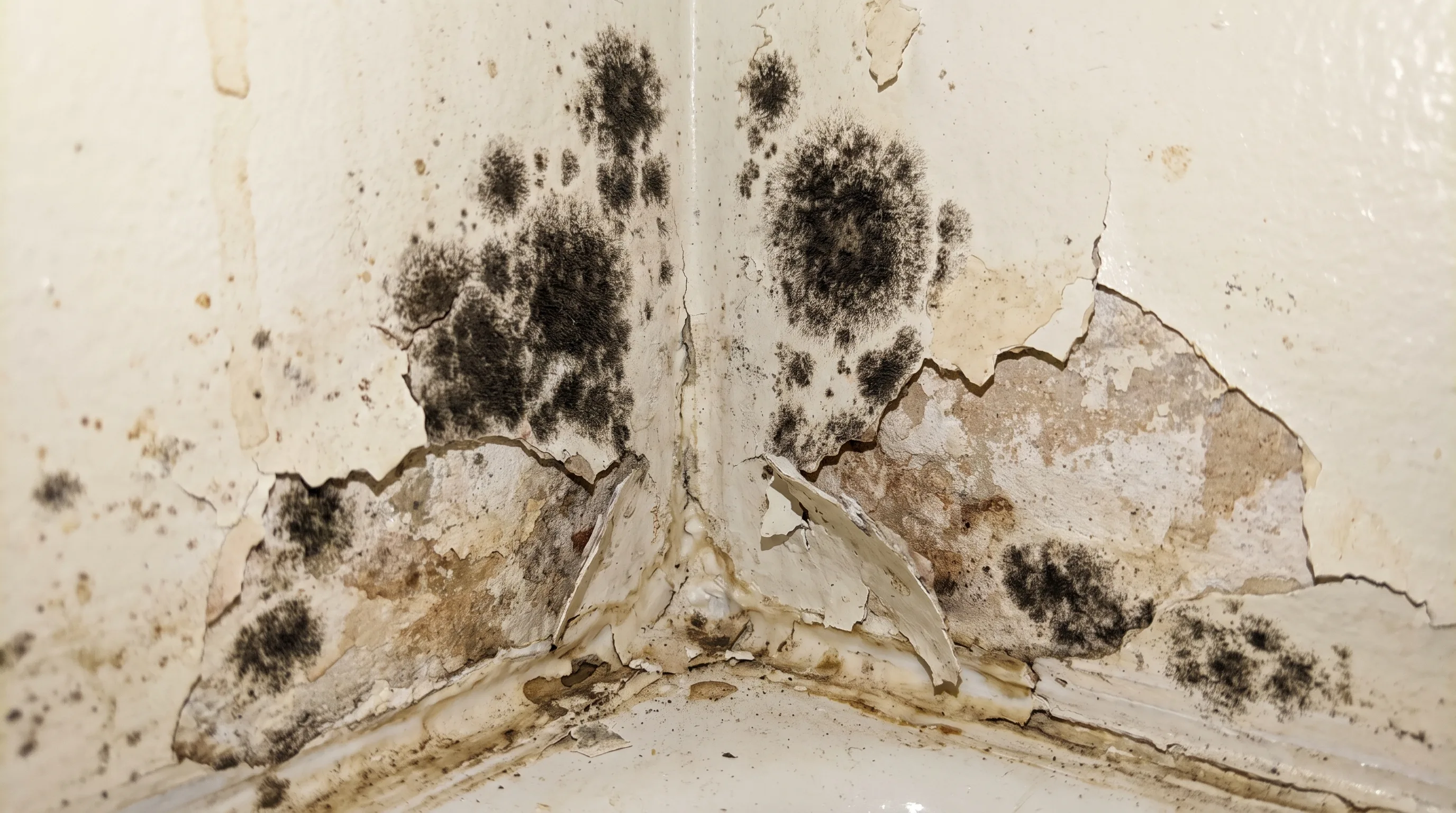
Roof leaks, HVAC condensation, and AC moisture drive mold into attics and interior walls — often hidden until odors appear or an inspection opens the cavity.
Understanding the risk
Spores trigger allergies, worsen asthma, and sit in HVAC. Kids, older adults, and anyone immunocompromised take it harder. CDC and EPA guidance is professional remediation once it is more than a small surface.
Our process finds the moisture that grew it, contains the work area, and removes or treats materials. We do not run mold lab testing.
Process
 01
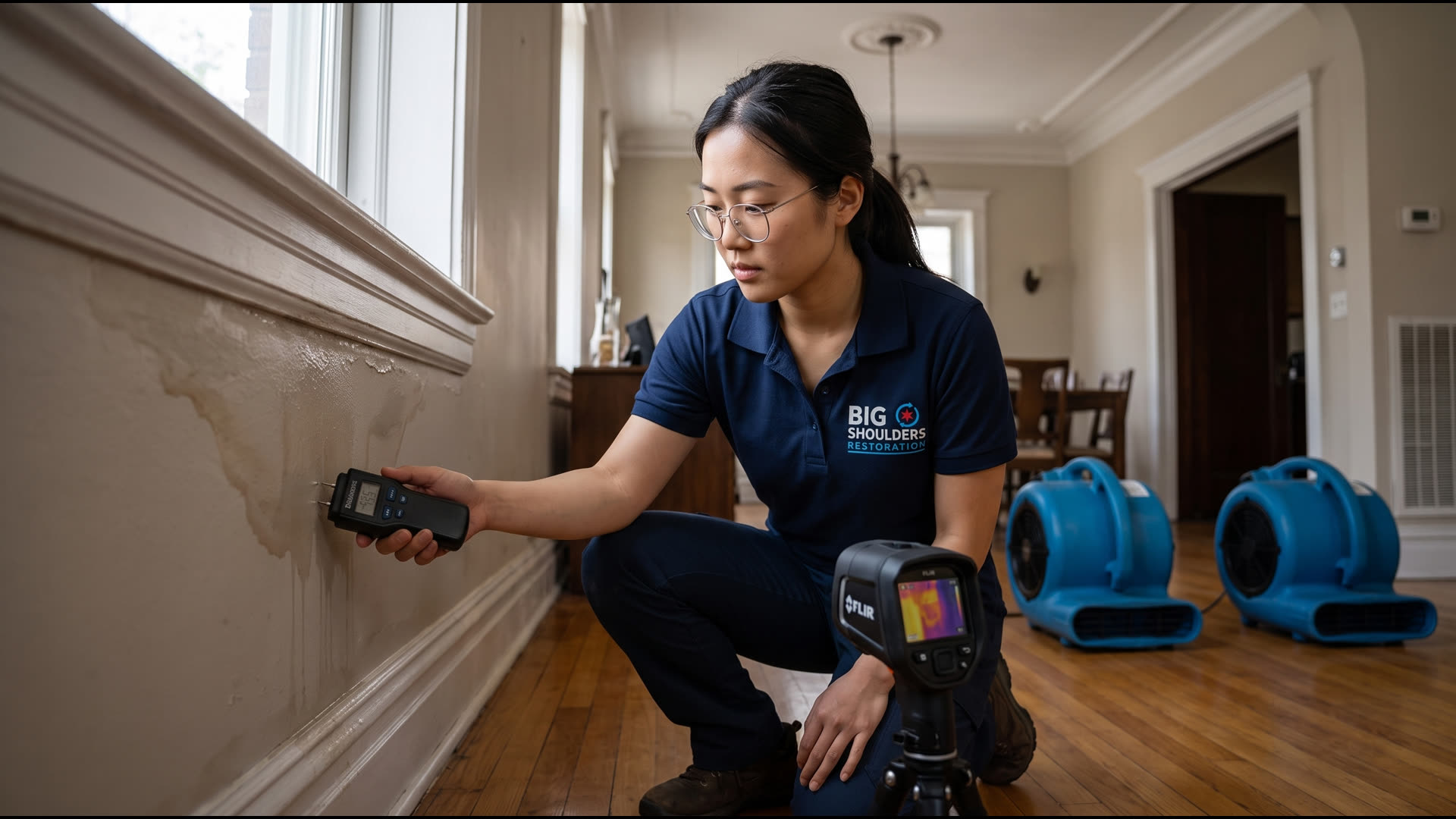
01Locate visible growth, find hidden moisture, and identify the source that made it possible.
 02
02Isolate the work area so spores do not travel into clean rooms during removal.
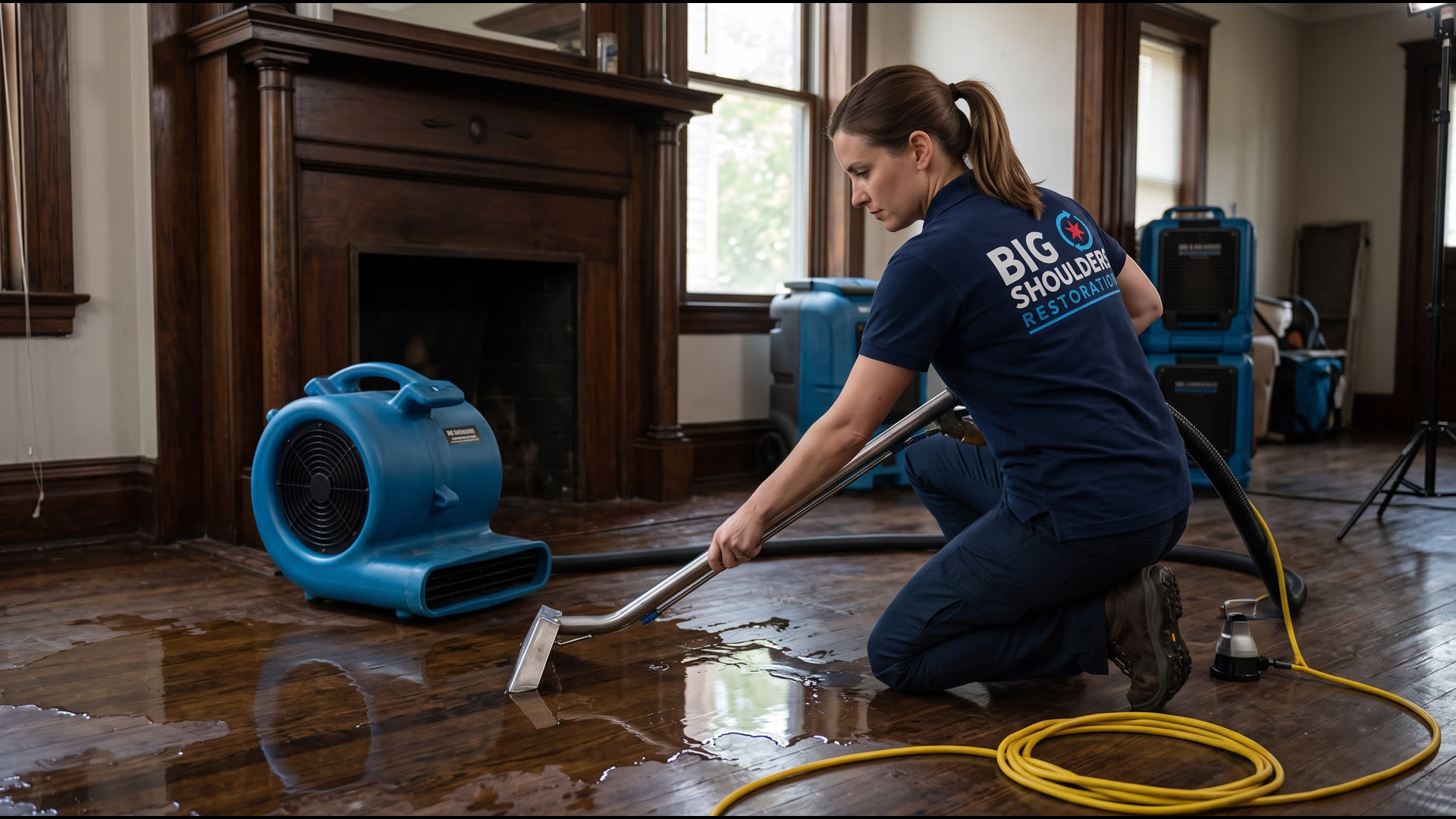 03
03HEPA scrubbers run through the job to capture airborne spores.
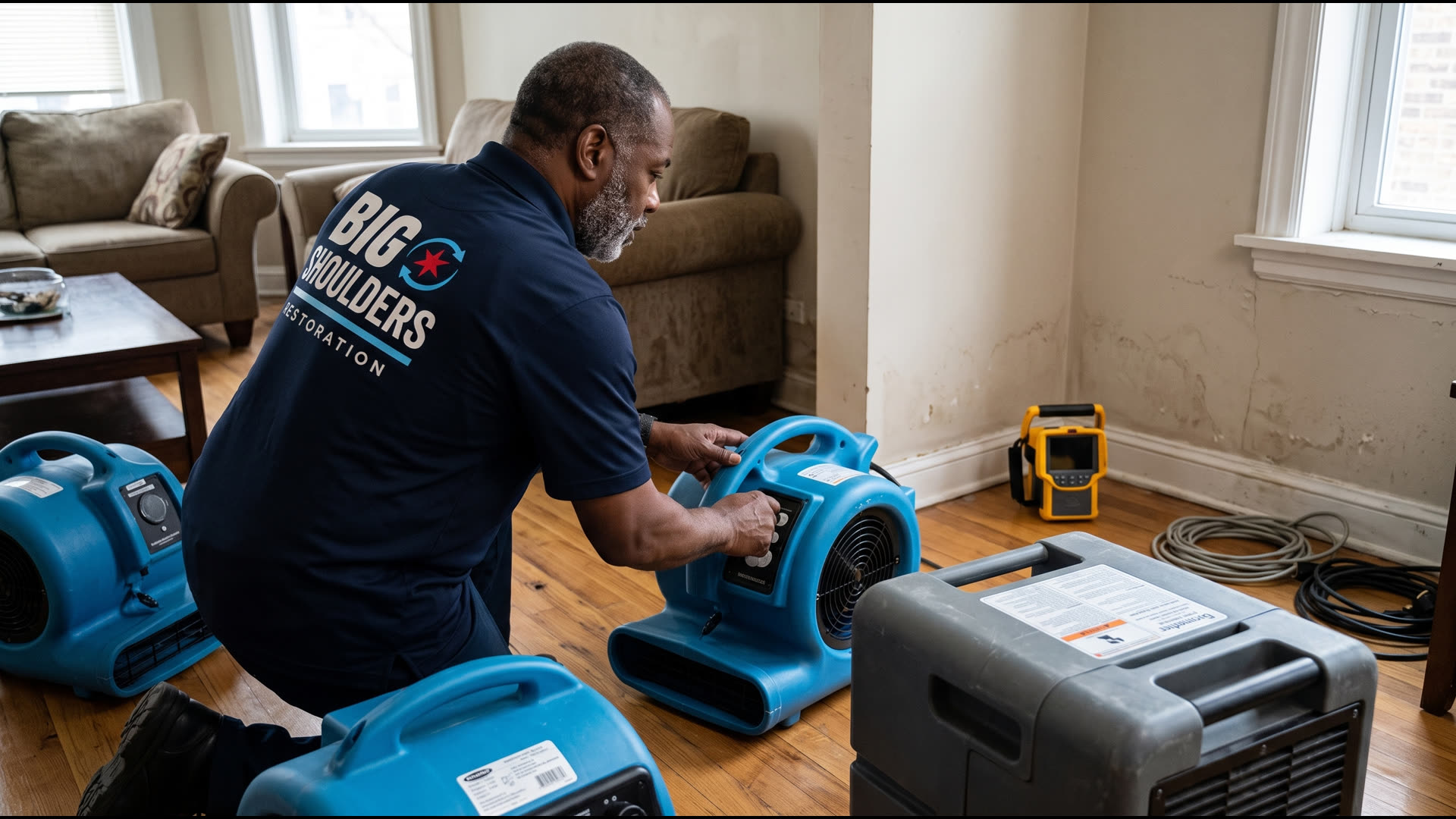 04
04Affected materials are removed or treated based on type and extent. We do not paint over active growth.
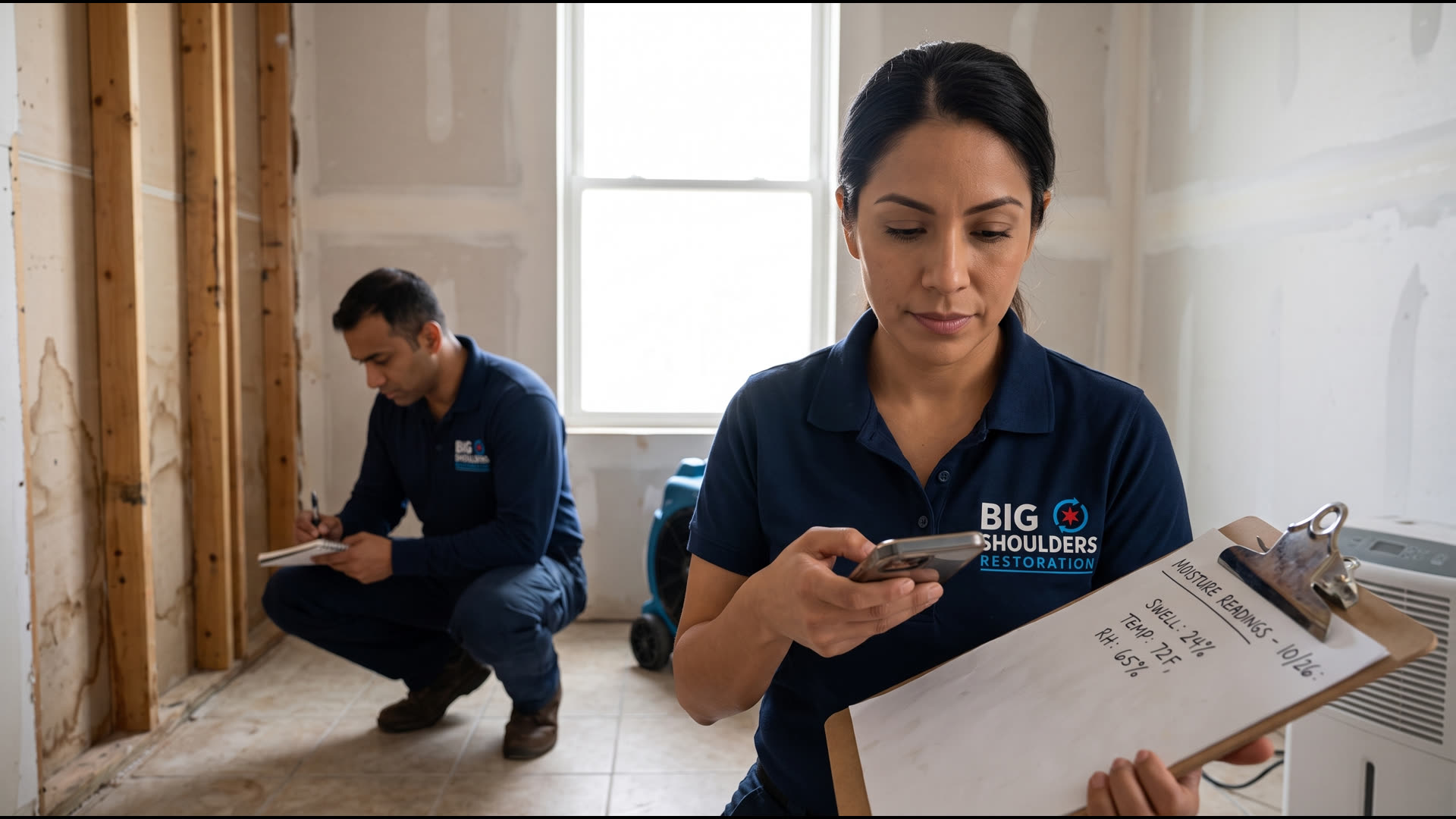 05
05Antimicrobial treatment on remaining surfaces to reduce the chance it returns.
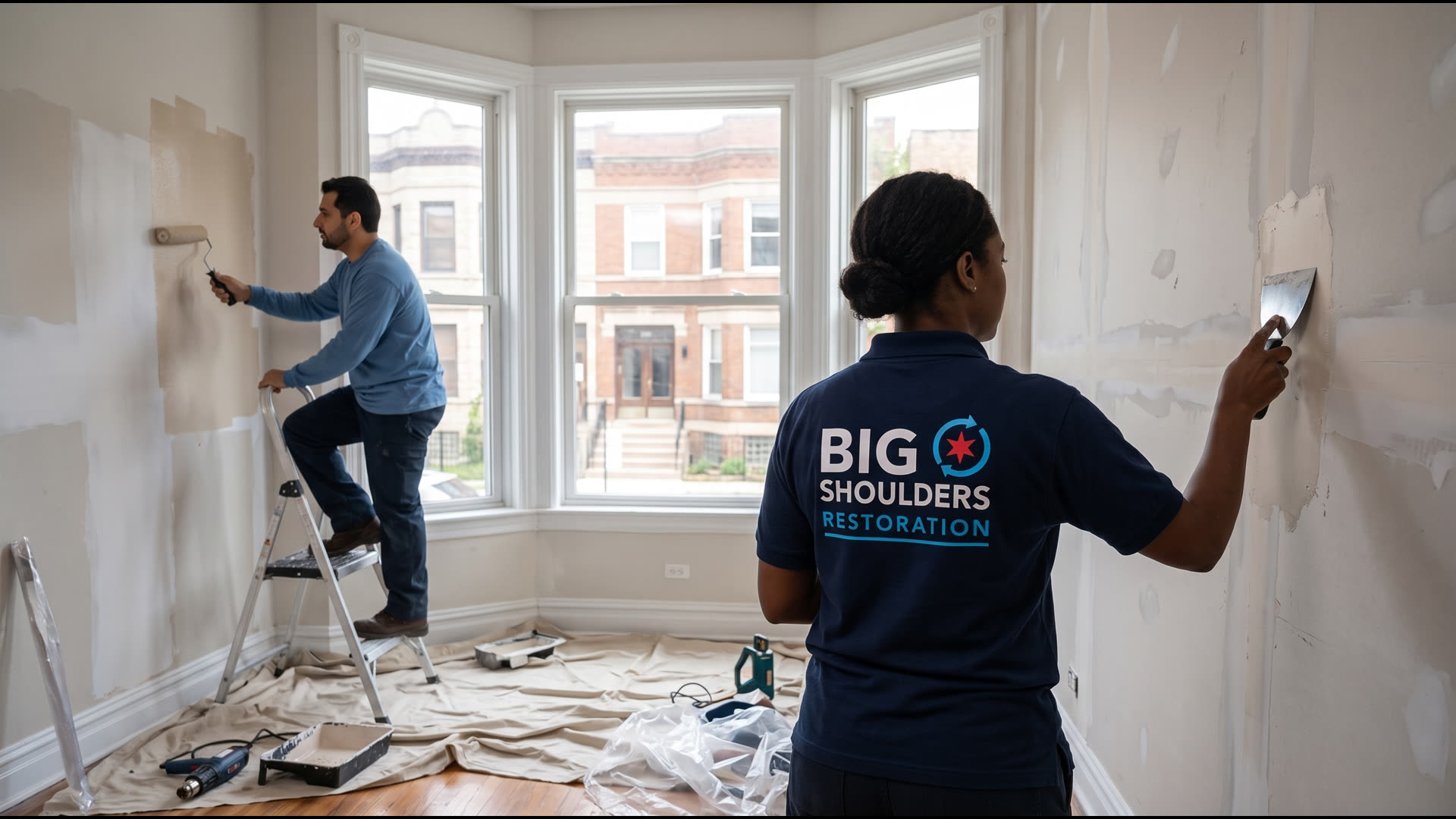 06
06Moisture readings and a visual pass before we close the file. We do not run lab mold tests.
Field view
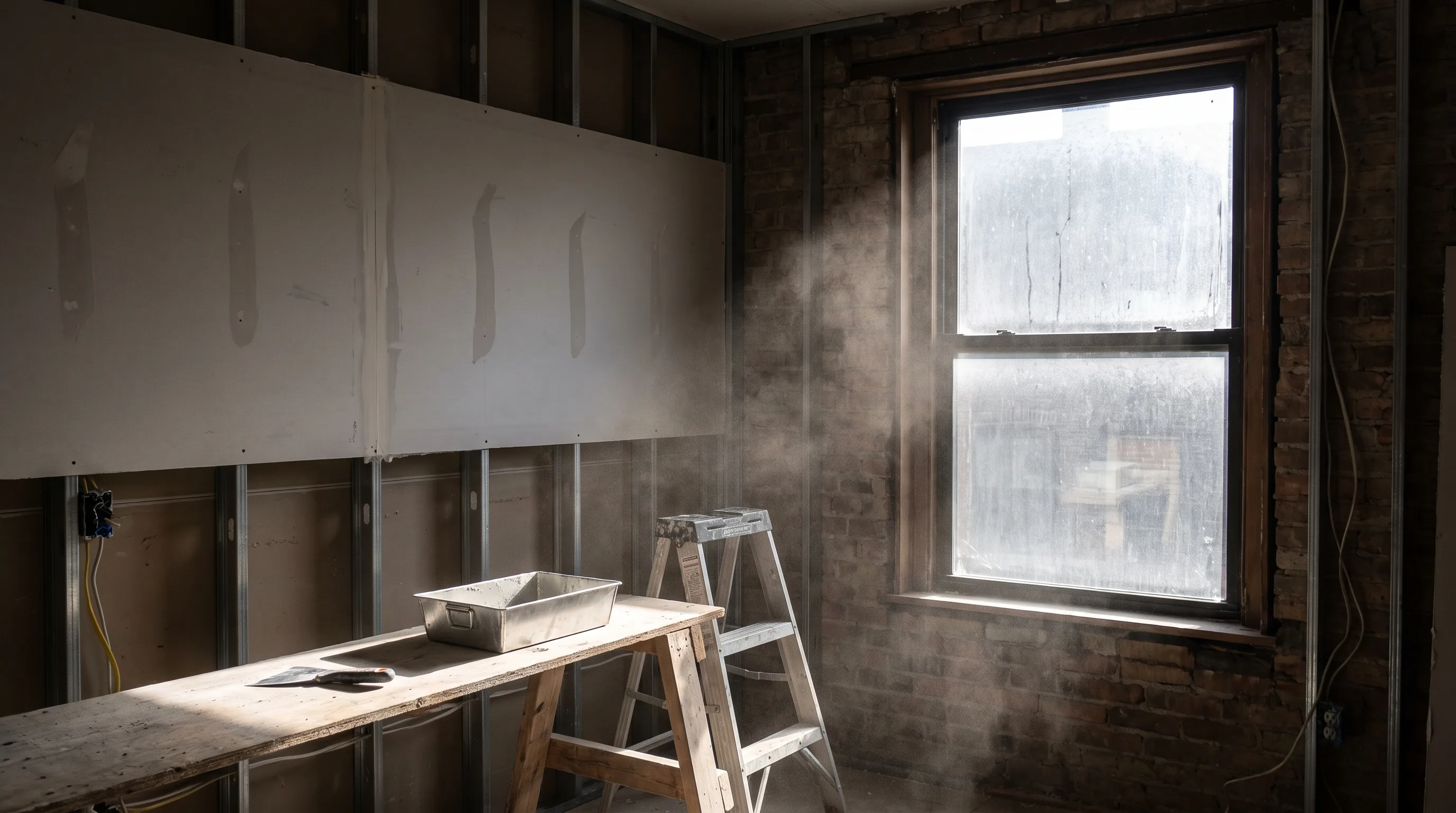
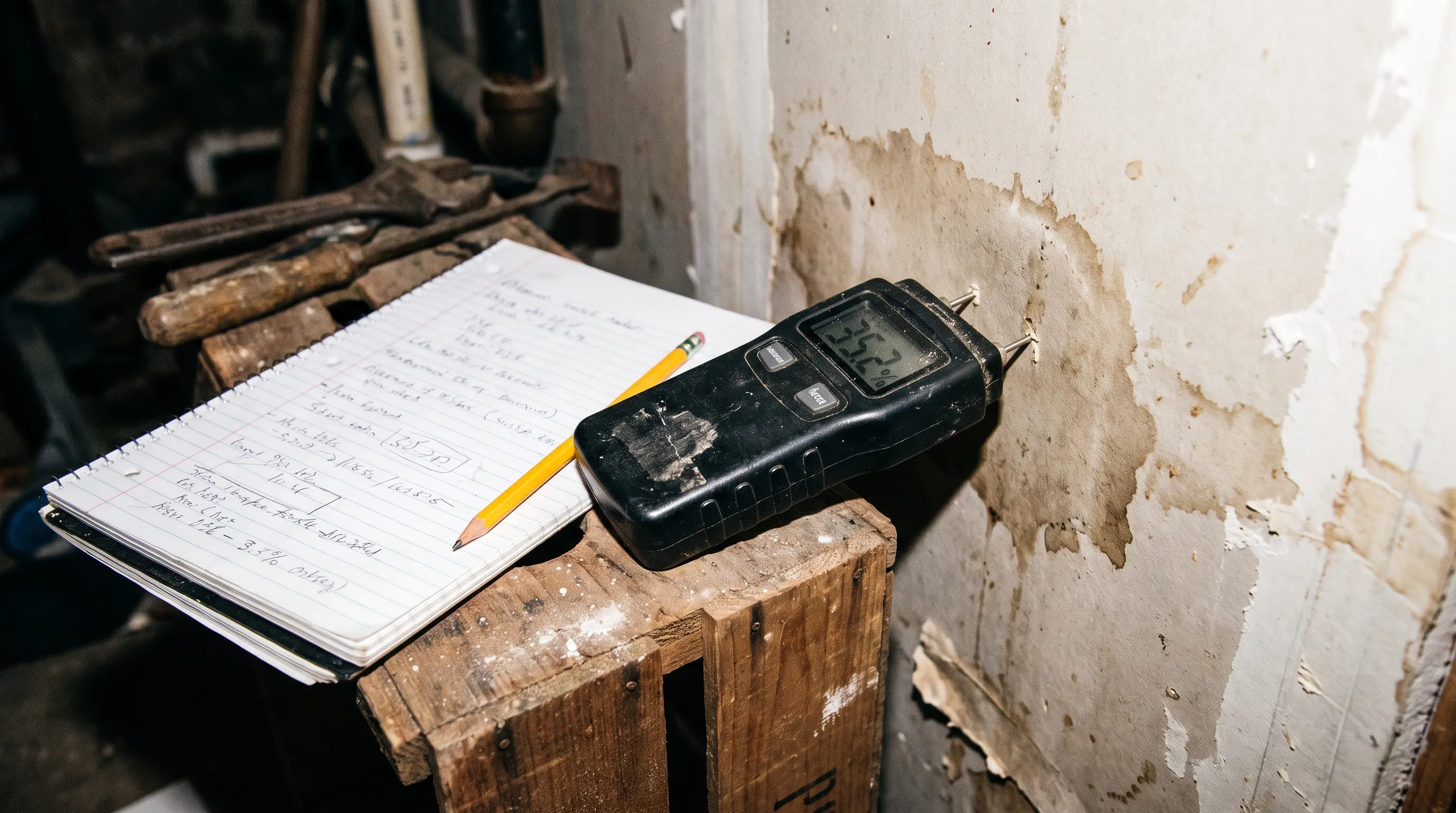
The usual Chicago story: it looked dry, the cavity was not. We open what the meters say, not what the paint says.
Confined-space work with PPE, containment, and encapsulation when the assembly keeps taking moisture.
Timeline
Walkthrough first. Contained jobs can finish in days. Larger cavities and HVAC involvement take longer.
What drives cost
Scope follows how far it traveled and whether the source is still wet. We do not sell fog-and-hope. You see the inspection before anyone opens walls.
Insurance
Mold following a covered water loss is often part of that claim. Gradual, maintenance-related growth may not be. We document which is which.
Questions
Musty odors, discoloration, and unexplained allergy symptoms are common signs. A professional inspection is the only way to know. We will tell you if it is nothing.
Any indoor growth should be taken seriously. “Black mold” often refers to Stachybotrys, but many species look dark. We treat visible growth and the moisture that grew it — we do not lab-test species.
If the moisture source is not corrected, yes. Our process starts with the source, not just the stain.
No. We remediate — contain, remove, and dry the source. If you need air or surface samples, we will point you to an independent lab. We do not sell testing.
Small contained jobs often allow occupancy. Larger scopes may require temporary relocation. We say so after the walkthrough.
Related
Request assessment
A real technician from this shop answers. Not a bot. Not an outsourced call center. Name, phone, ZIP, and what happened. If it cannot wait, call the 24/7 line.
(773) 900-8407Request a callback
A real technician from this shop answers. Not a bot. Not an outsourced call center.