
01
Make it safe
Board-up partners the same day so the house is not open to weather or theft.
Fire & smoke · Chicago
Board-up, soot, odor, then rebuild — one file.
24/7 · a person answers
The fire is out. You are in the driveway and everything you own smells like the night. We board up, source-clean soot, dry the firefighting water, and rebuild under one file so you are not coordinating three contractors after a bad night.
Board-up
Same day partners
Soot
Source cleaning
Rebuild
In-house
Request a callback
A real technician from this shop answers. Not a bot. Not an outsourced call center.
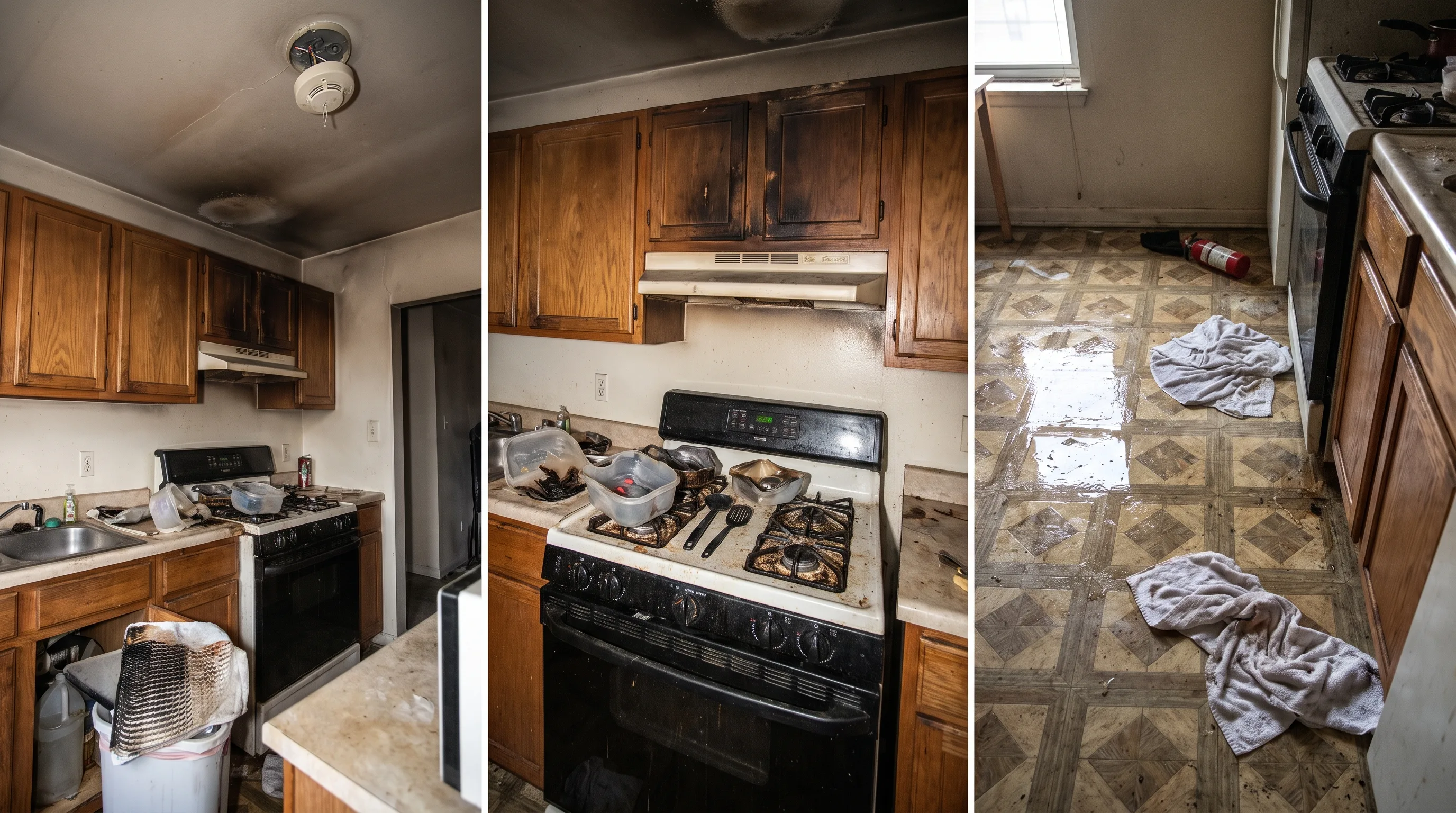

After the department leaves
The fire is out. The house is not done.
Your house
The windows are open. Everything you own smells like the night. Soot is on the walls. Water from the fight is in the floors. You are standing in the driveway wondering who is allowed to go in — and who actually puts a house back, instead of a wipe-down that off-gasses for months.
Why this shop
01
Board-up so the house is not open to weather or theft. Then soot, odor, and firefighting water as one file.
02
Residue that stays is still a job. We do not call a wipe-down restoration.
03
You should not juggle three contractors who will not own the file. Extract, dry, rebuild here.
01
Board-up partners the same day so the house is not open to weather or theft.
02
Wipe-down is not restoration. Residue that stays off-gasses and stains.
03
Firefighting water is a water loss inside a fire file. We treat both.
When to call
After the department leaves, the house is still a job — soot, odor, and firefighting water.
Until we arrive
Do not occupy until the property is cleared as safe.
Do not smear soot — that spreads contamination and hurts the claim.
Photograph before you throw anything out.
Call the carrier and us once it is safe to enter.
After the fire
Smoke does not stay where the fire was. It penetrates walls, rides the HVAC, and settles into porous surfaces. Soot residue keeps damaging the longer it sits.
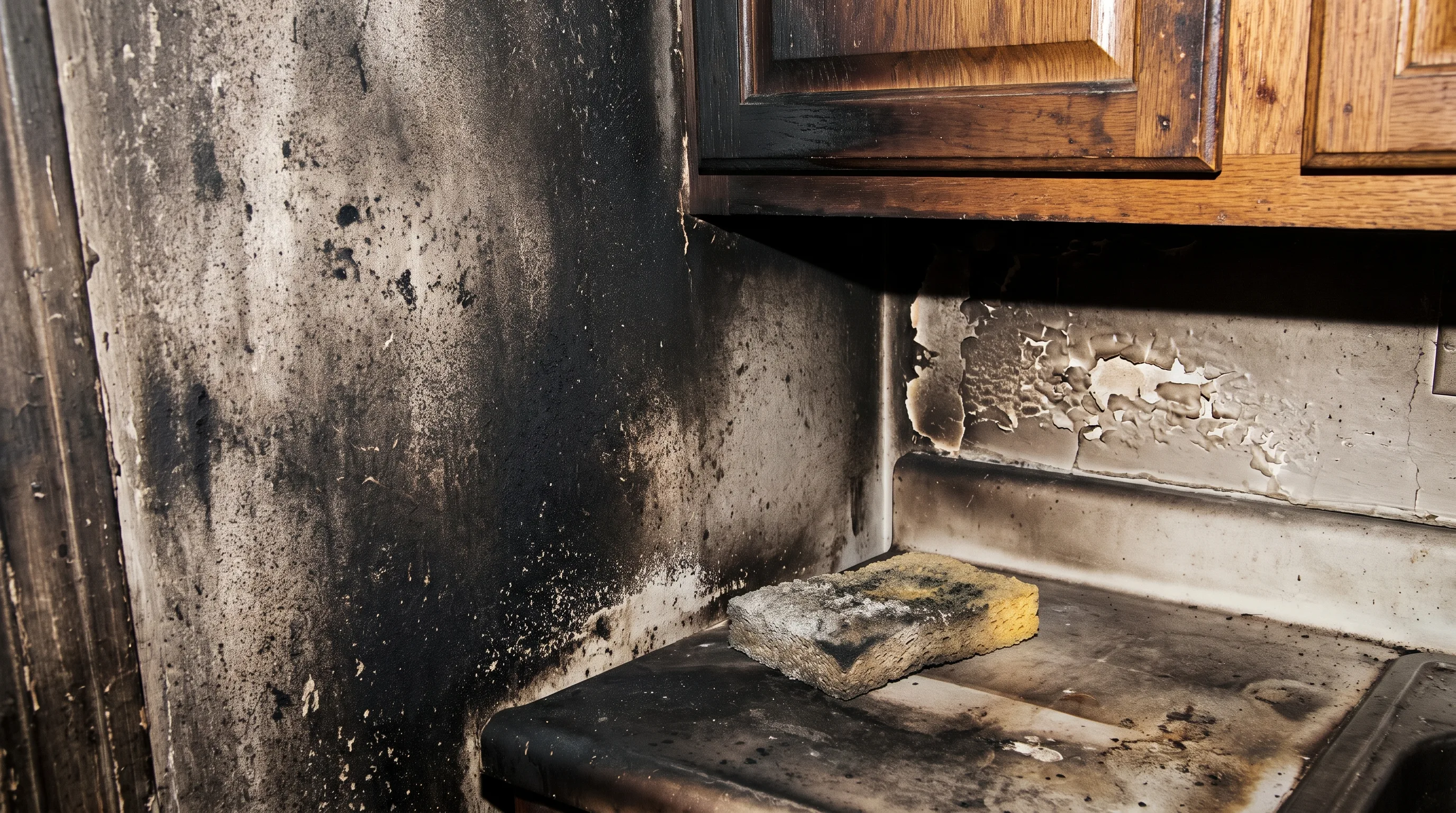
Standard cleaning does not reach odor embedded in structure and contents. We neutralize at the source rather than masking it.
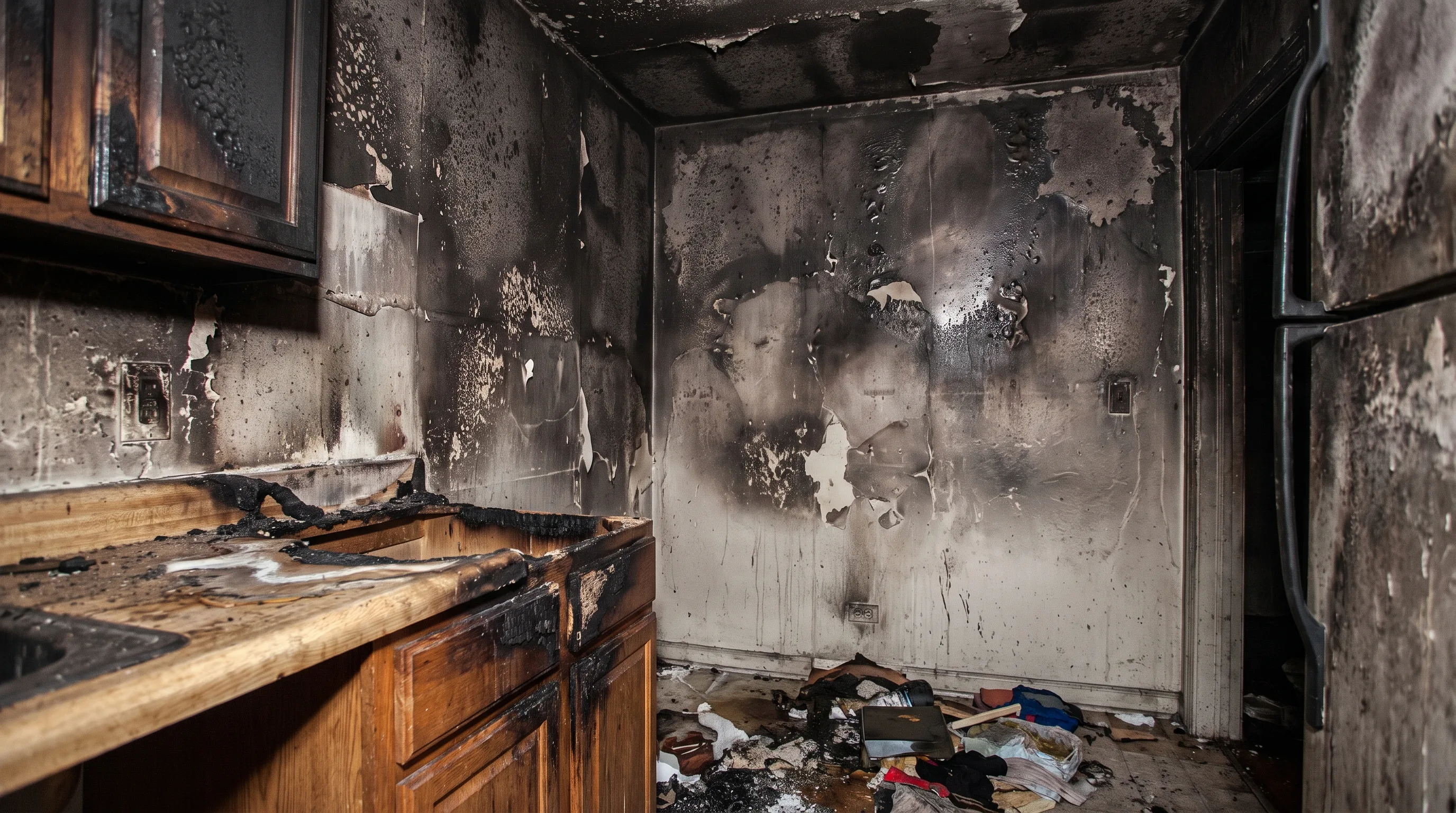
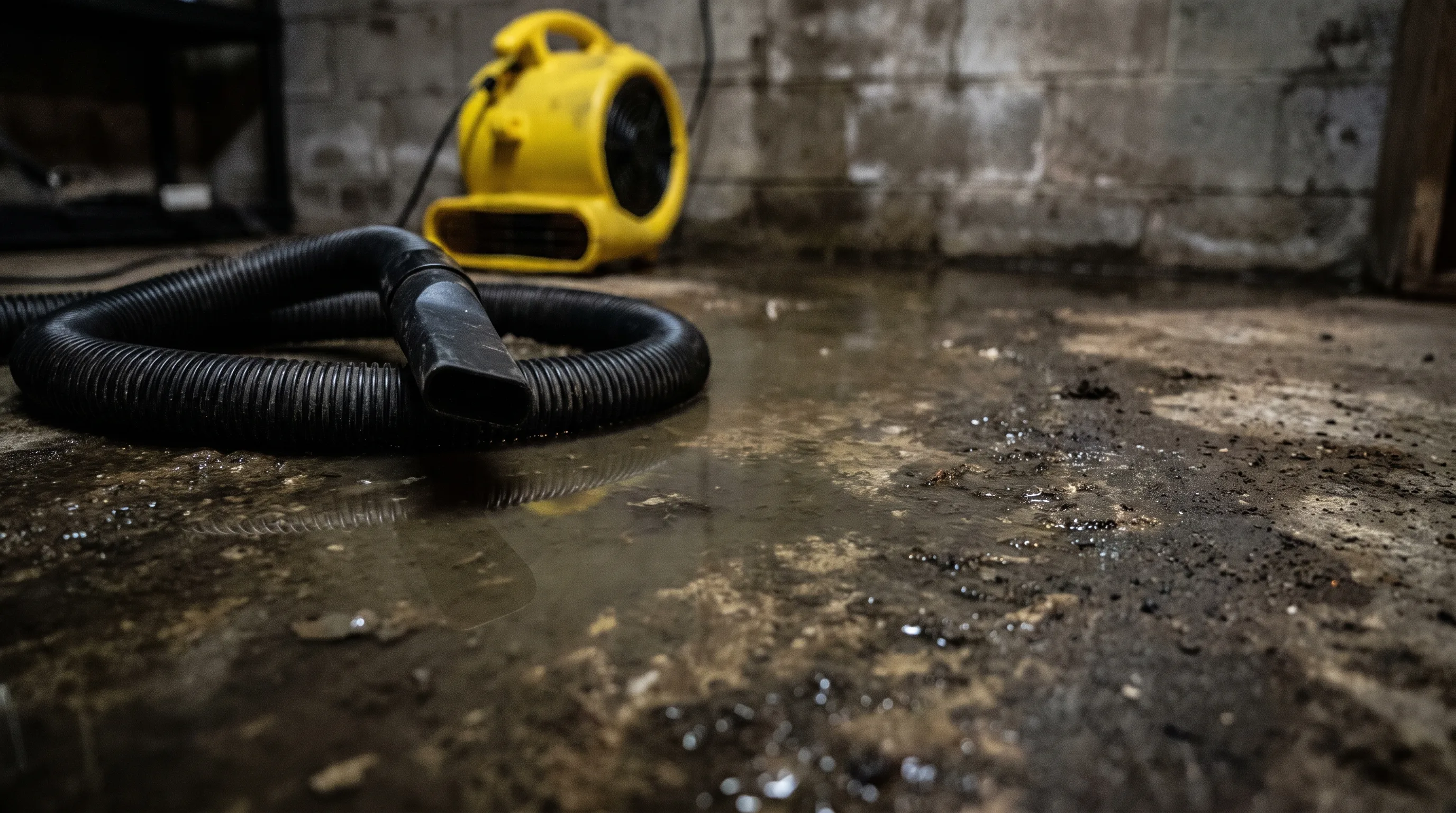
The water used to knock down the fire is a second loss. Flooring, insulation, and framing need extraction and drying like any other water event.
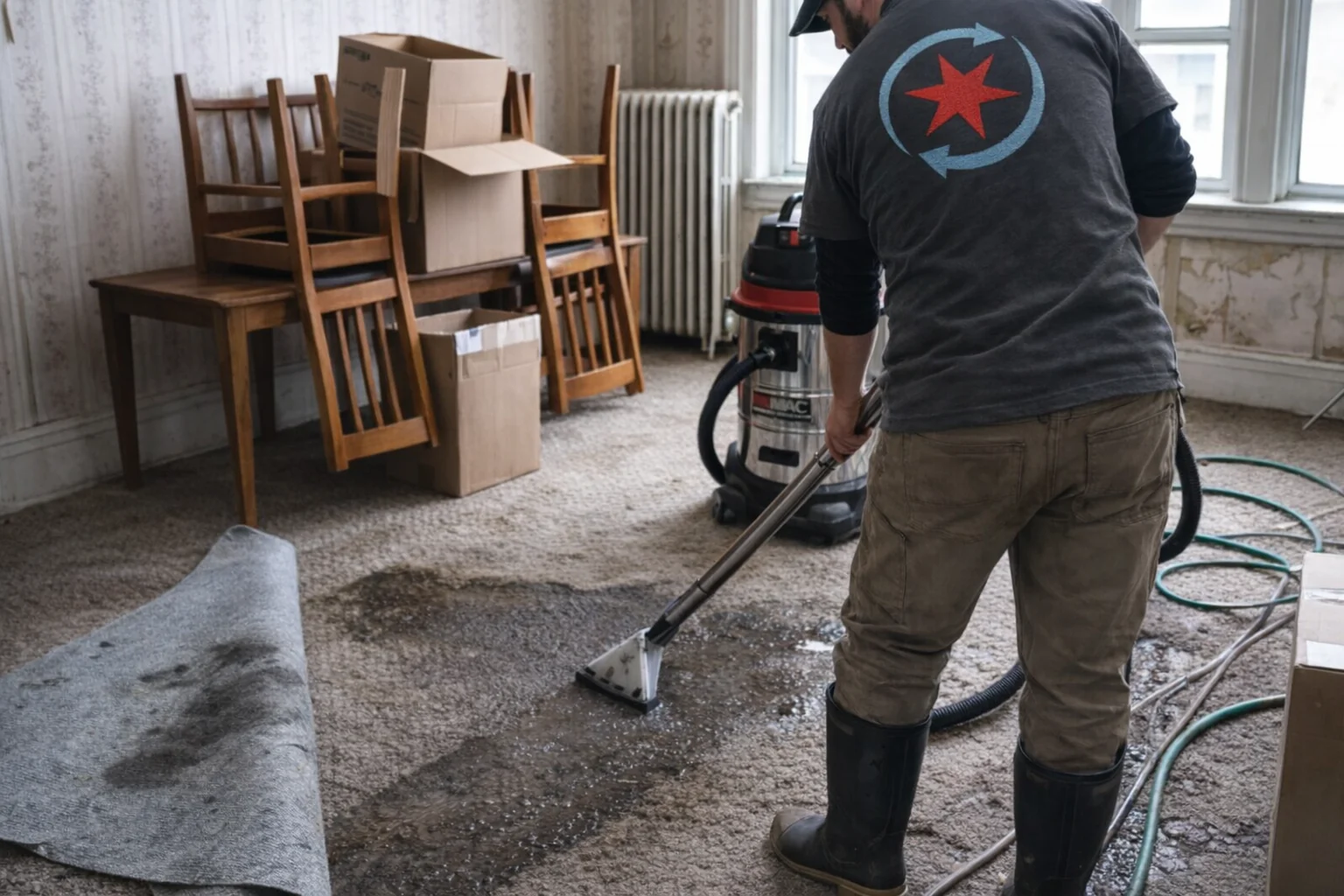
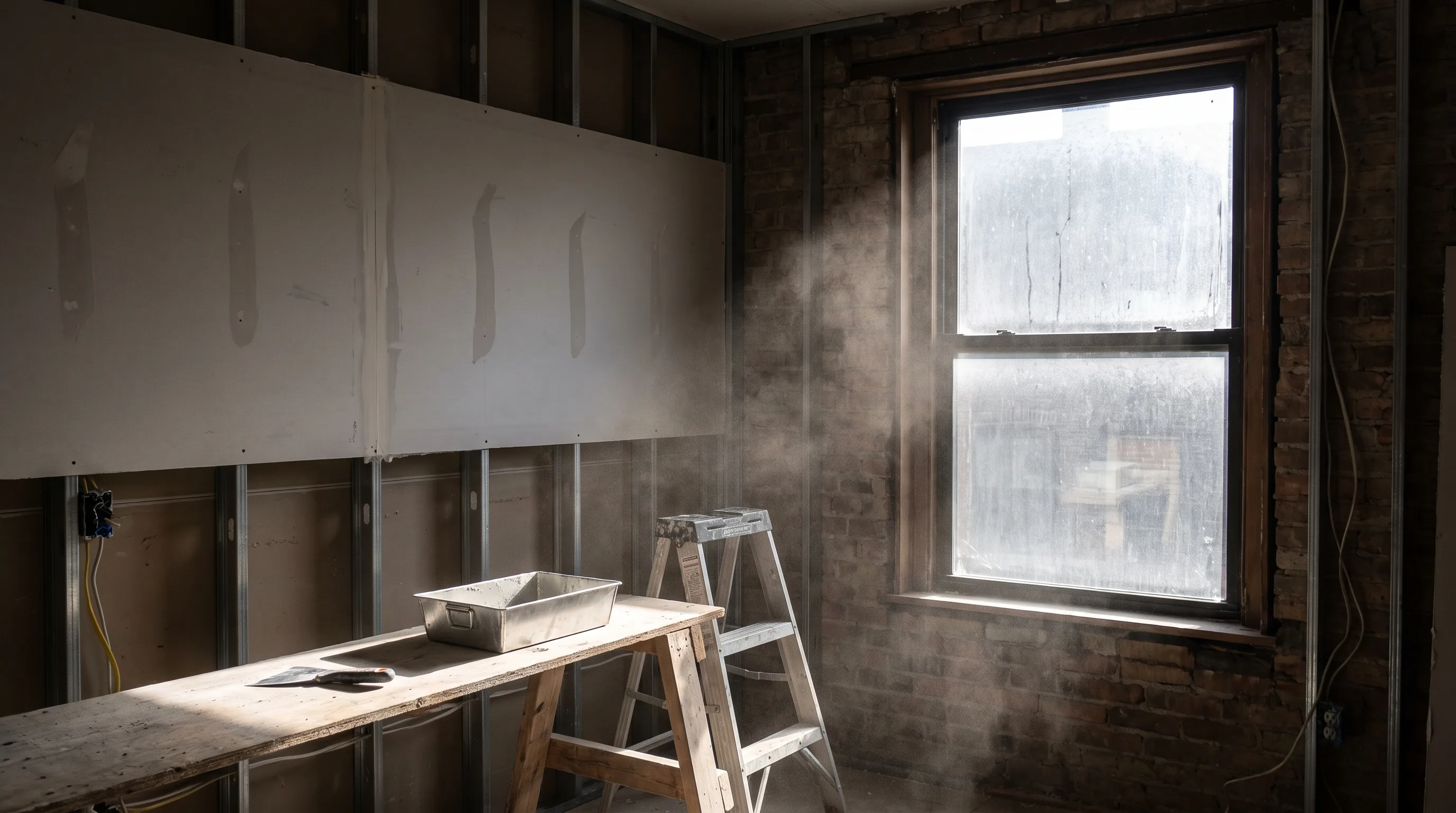
When fire takes rooms, we frame, hang, finish, and paint in-house so you are not coordinating a separate GC after mitigation.
What is at stake
Heat weakens materials that still look intact. Smoke residue keeps off-gassing. Soot that is not fully removed stains, corrodes metal, and ruins contents long after the visible burn is gone.
The job is soot, odor, firefighting water, and rebuild — not a cleaning crew and a hope. IICRC fire restoration addresses the layers, not just the black walls.
Process
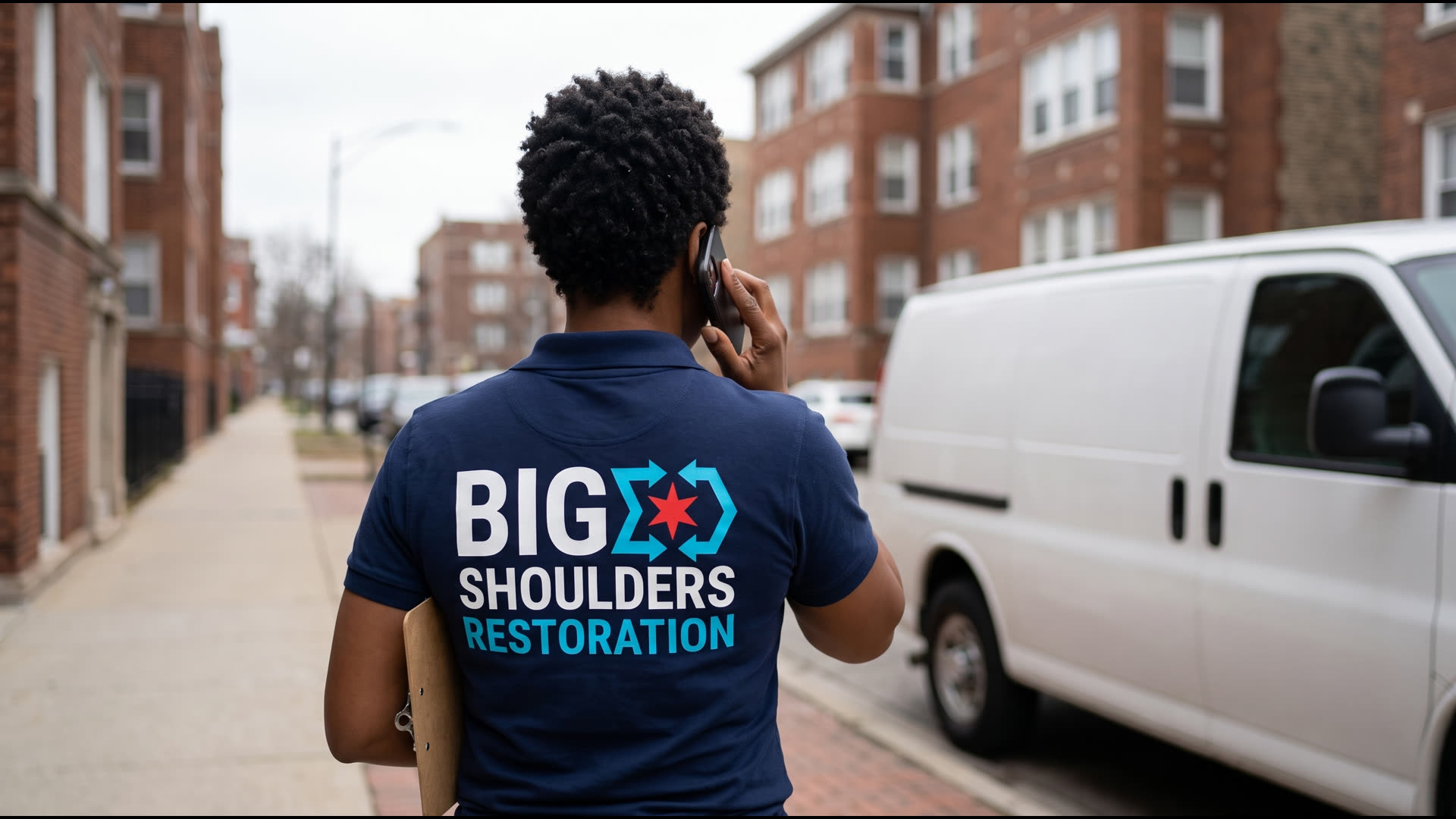
01
The property has fire, smoke, soot, and water. You are dealing with shock and insurance questions. This is when you call.
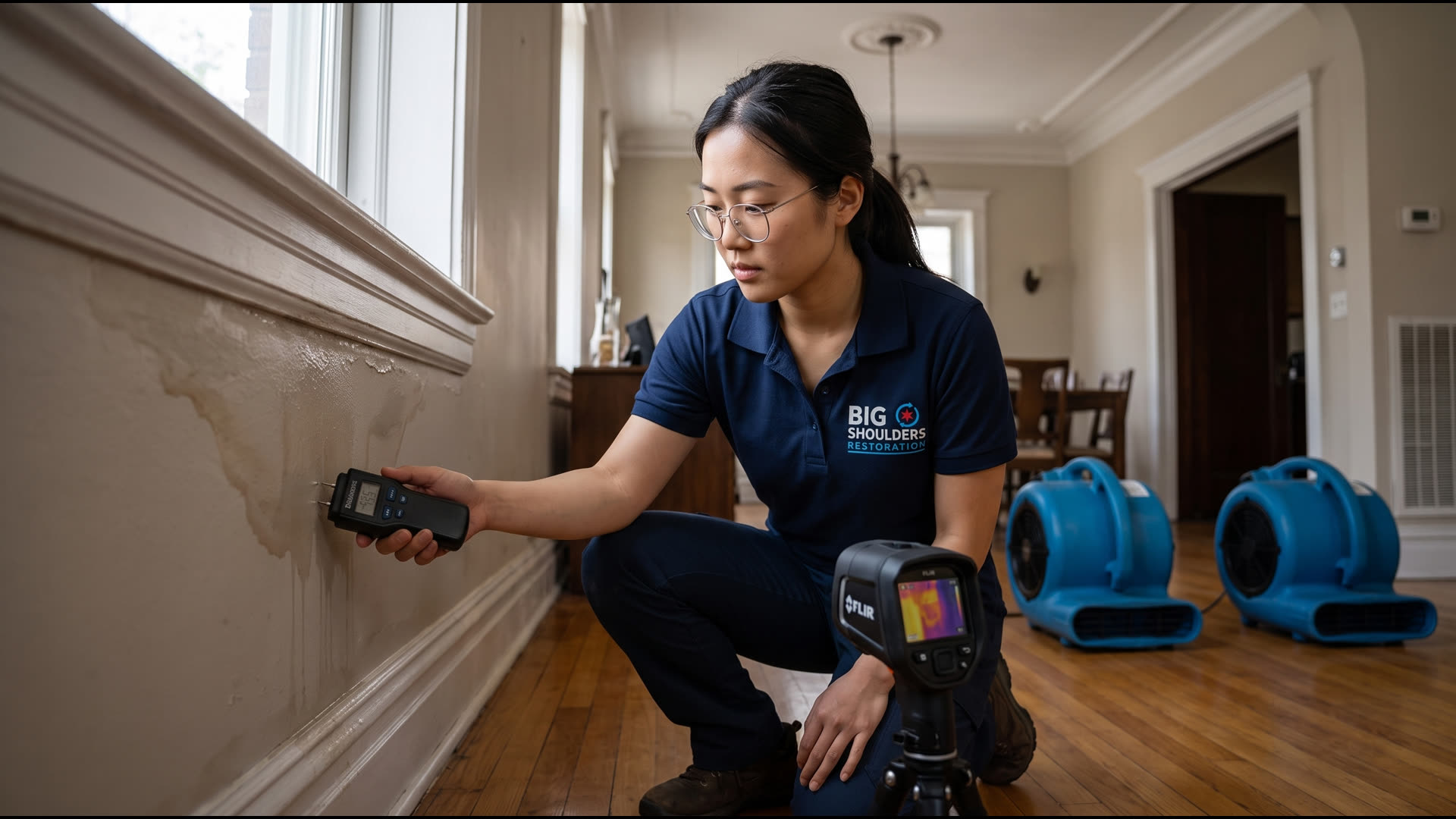
02
We assess, coordinate emergency board-up, remove firefighting water, contain and remediate soot, eliminate odor, and start rebuild — with the insurer in the loop.
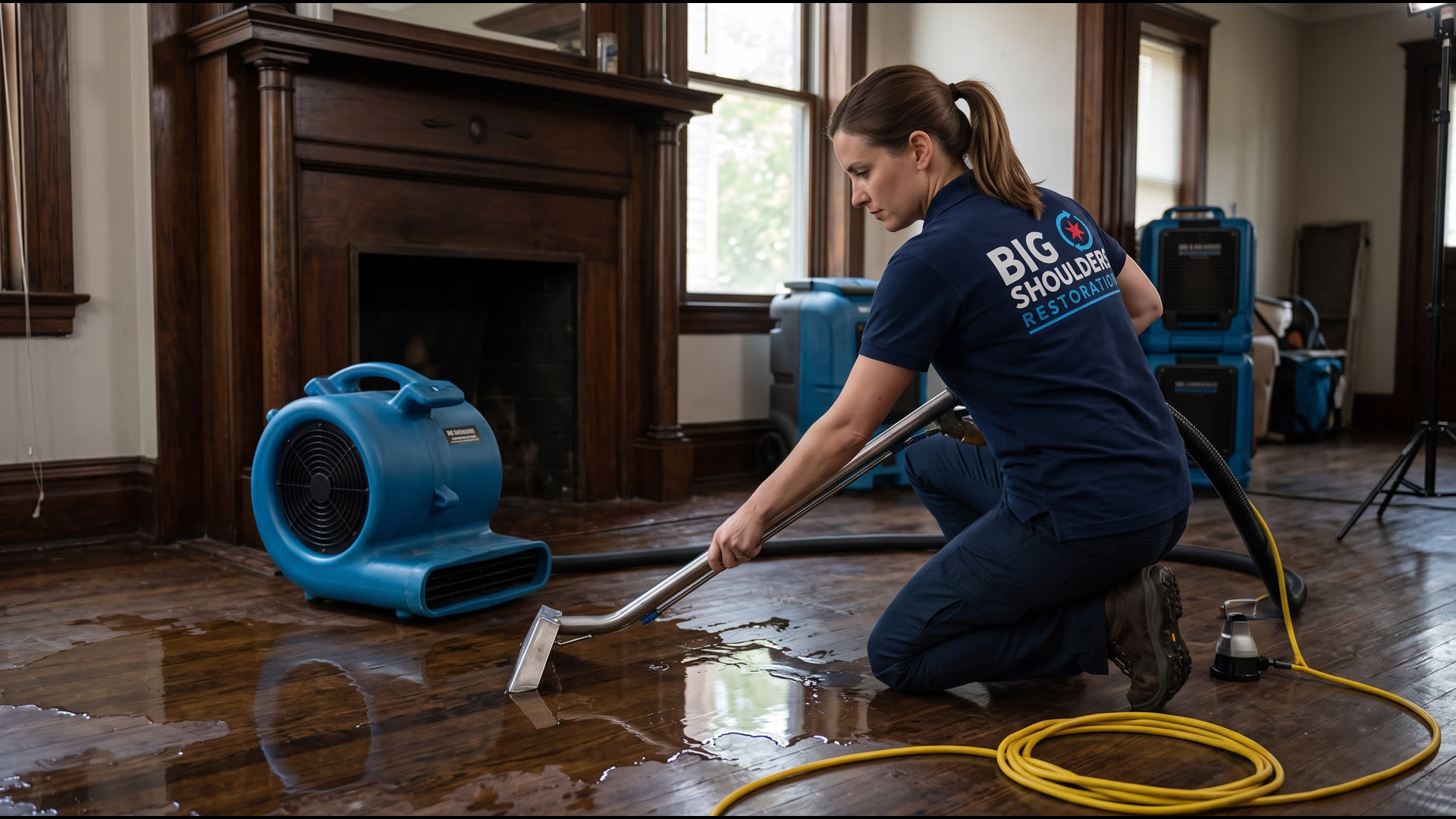
03
Structurally sound, smoke-free, restored to pre-loss condition. One team walked the file the whole way.
Field view
Pack-out when it saves the claim. Source-clean what can stay. Replace what cannot.
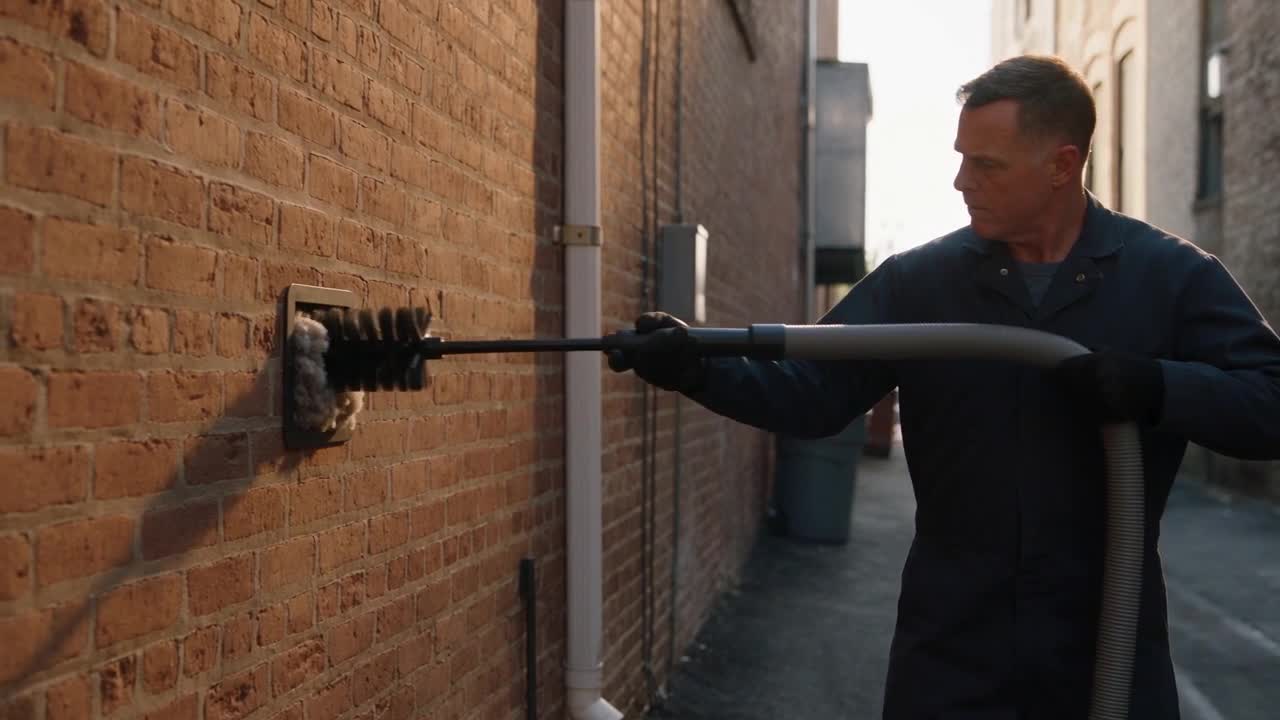
Smoke rides shared HVAC. We treat the unit that did not burn if the odor and soot are there.
Timeline
Stabilize and dry firefighting water immediately. Soot and odor work is days to weeks. Structural rebuild is weeks to months. You get a written timeline after assessment.
What drives cost
Driven by how far smoke traveled, whether HVAC is involved, and how much assembly needs rebuild. Itemized. Coordinated with the adjuster.
Insurance
Fire, smoke, soot, and rebuild are typically covered. We document the full path so the file matches the house.
Questions
Call your insurer and a restoration company once the property is cleared as safe. Do not smear soot around before it is assessed — that can spread contamination and complicate the claim.
Most policies cover fire, smoke, soot, and rebuild. We document the full scope so the file matches the house.
Yes, with professional deodorization that treats embedded sources in materials — not just the air.
Smoke-only work can be days. Structural rebuild can be weeks to months. You get a real timeline after assessment.
Yes. Framing, drywall, flooring, and finishes stay with us.
Related
Request assessment
A real technician from this shop answers. Not a bot. Not an outsourced call center. Name, phone, ZIP, and what happened. If it cannot wait, call the 24/7 line.
(773) 900-8407Request a callback
A real technician from this shop answers. Not a bot. Not an outsourced call center.